



Hair loss can be a deeply personal and challenging experience, especially for women who often link their hair to their identity and self-esteem. If you are experiencing thinning or shedding, finding a reliable solution is likely your top priority. Choosing professional hair restoration in Florida offers a pathway to regain both your hair and your confidence. With numerous advanced clinics operating across the Sunshine State, women have access to cutting-edge medical and surgical options tailored to their unique physiological needs. Understanding what lies ahead during this therapeutic journey helps you make informed decisions. This guide outlines the diagnostic steps, modern treatment pathways, and realistic timelines you can expect when seeking a specialized hair loss treatment for women in Florida.
Understanding the Causes of Female Hair Thinning
Before beginning any therapeutic regimen, specialists must identify the root cause of your hair thinning. Female pattern hair loss, also known as androgenetic alopecia, is the most common culprit, but other factors frequently play a role. Hormonal fluctuations during menopause, pregnancy, or thyroid imbalances can trigger significant shedding. Additionally, physical stress, nutritional deficiencies, and autoimmune conditions like alopecia areata require distinct medical approaches.
In a warm climate, environmental stressors also affect scalp health. High humidity and intense sun exposure can damage the hair shaft and exacerbate scalp irritation. Specialists in the region evaluate these environmental factors alongside your genetic predisposition.
During your evaluation, medical professionals will perform blood tests to check iron levels, thyroid function, and hormone balances. They may also use a trichoscope to examine your hair follicles at high magnification. This detailed analysis ensures that your subsequent therapy targets the precise biological mechanism causing the shedding, rather than just masking the symptoms. Addressing these underlying health issues first ensures that your chosen therapy has the highest chance of long-term success. For instance, correcting a vitamin D deficiency or managing stress can significantly enhance the effectiveness of clinical treatments.
Non-Surgical Options and Topical Therapies
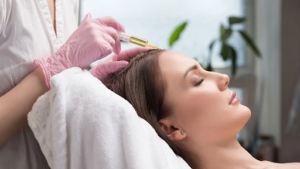
Many patients begin their journey with non-invasive therapies that require minimal downtime. Medical providers frequently recommend topical treatments, oral medications, and advanced office-based therapies. Minoxidil remains a gold standard topical application, helping to stimulate blood flow to dormant follicles.
Platelet-Rich Plasma (PRP) Therapy
PRP therapy has gained immense popularity as an effective hair loss treatment for women in Florida. This procedure involves drawing a small amount of your blood, spinning it in a centrifuge to concentrate the platelets, and injecting the nutrient-rich plasma back into your scalp. The growth factors in the plasma stimulate inactive hair follicles, promoting thicker and healthier hair growth. Most clinics recommend an initial series of three to four sessions spaced one month apart, followed by maintenance treatments every six months.
Low-Level Laser Therapy (LLLT)
Another non-surgical option is LLLT, which uses medical-grade lasers to deliver light energy directly to the scalp. This process, known as photobiomodulation, improves cellular respiration and prolongs the growth phase of the hair cycle. You can use clinical-strength laser caps at home under the supervision of your specialist. These non-surgical methods work best for early-stage thinning, helping to preserve existing hair and revitalize weak follicles before permanent loss occurs.
Advanced Surgical Techniques for Lasting Results
For women experiencing advanced hair thinning or localized baldness, surgical intervention offers a permanent solution. Modern hair transplant techniques have evolved to deliver incredibly natural-looking results that blend seamlessly with your existing hair.
Follicular Unit Extraction (FUE)
FUE is a highly sought-after method for hair restoration in Florida due to its minimally invasive nature. During an FUE procedure, the surgeon extracts individual hair follicles from a donor area—usually the back of the scalp—and implants them into the thinning regions. Because the surgeon harvests follicles individually, the procedure leaves tiny, dot-like scars that are virtually invisible, even with short hairstyles.
Follicular Unit Transplantation (FUT)
FUT, or strip harvesting, involves removing a small strip of scalp from the donor zone. The surgical team then dissects this strip into individual follicular units for implantation. While FUT leaves a linear scar, it allows for the transplantation of a larger number of grafts in a single session, making it highly efficient for extensive thinning.
Surgeons design the new hairline with meticulous detail, paying close attention to the angle and direction of natural hair growth. This precision ensures that the transplanted hair grows in a pattern that looks completely natural and matches your facial structure.
What to Expect During Your Initial Consultation
Your journey toward hair restoration begins with a comprehensive initial consultation. This meeting is your opportunity to discuss your hair loss history, your aesthetic goals, and any concerns you might have about the process.
During this appointment, the specialist will perform a thorough scalp examination. They will assess your donor hair density, evaluate the pattern of hair loss, and determine the health of your scalp tissue. You should bring a list of your current medications, recent blood test results, and any hair care products you use regularly.
The medical team will use this information to design a customized plan for hair loss treatment for women in Florida. They will explain the realistic outcomes you can expect based on your current hair density and physiological profile. This is also the time to discuss the financial aspects of your treatment, as costs vary depending on the chosen technology and the number of sessions required. A transparent discussion about timelines, costs, and expected outcomes helps set realistic expectations and ensures you feel comfortable and confident before proceeding with any clinical or surgical interventions. Ask questions about the provider’s experience, view before-and-after photos of previous female patients, and clarify the recovery steps for each recommended option.
Recovery, Maintenance, and Long-Term Results
Understanding the recovery phase and long-term commitment is essential for achieving the best possible results. If you undergo non-surgical treatments like PRP, you can return to your normal routine immediately, with only minor scalp tenderness or redness for a day or two.
For surgical hair restoration in Florida, the recovery process requires more diligence. In the first week following a transplant, you must protect the newly implanted grafts by sleeping with your head elevated and avoiding strenuous exercise. Your clinic will provide specific washing instructions and gentle shampoos to keep the scalp clean and prevent infection.
Patience is key during the recovery phase. Transplanted hair typically sheds within two to four weeks after the procedure. This shedding is a normal part of the process, and the follicles remain healthy beneath the skin. New hair growth begins around the third or fourth month, with significant cosmetic improvement visible at six months. You will see the final, mature results of your transplant approximately one year after the procedure. Maintaining a consistent follow-up schedule with your specialist ensures that your scalp remains healthy and your new hair thrives for years to come.
Final Thoughts
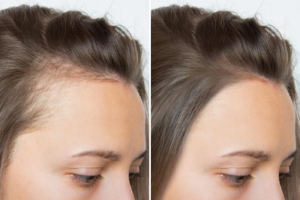
Addressing female hair loss requires a personalized, scientific approach that combines advanced clinical treatments with realistic expectations. Whether you choose non-surgical therapies like PRP and low-level laser therapy or opt for advanced surgical grafting, modern medical solutions offer reliable paths to restore your hair’s density and vitality. Partnering with a qualified, experienced specialist ensures you receive a safe, effective treatment plan tailored specifically to your scalp’s unique needs. By taking the first step of scheduling a professional consultation, you can stop active shedding and begin the rewarding process of growing thicker, healthier hair. With patience and consistent care, you can successfully reclaim your confidence and enjoy lasting, natural-looking results.
