


Introduction
Drainage systems are one of the most important parts of any residential, commercial, or industrial property because they ensure smooth wastewater flow and prevent blockages that can interrupt daily life and damage infrastructure. Over time, pipes naturally accumulate grease, soap residue, food waste, mineral deposits, and other debris that gradually restrict water flow. When these deposits build up, they cause slow drainage, unpleasant odors, and eventually complete blockages that require professional intervention. One of the most effective modern solutions for this problem is hydro jetting, a powerful cleaning method that uses high-pressure water to remove stubborn buildup from inside pipes. Unlike traditional methods that only clear partial blockages, this advanced technique thoroughly cleans the entire pipe system, restoring it to near-original condition. In this article, we will explore drainage systems, blockage causes, cleaning techniques, maintenance strategies, and the importance of professional services for long-term pipe health.
Understanding How Drainage Systems Work
A drainage system is designed to transport wastewater away from buildings through a structured network of pipes connected to sewer lines or septic systems. These systems rely on gravity and pressure balance to ensure smooth flow of water without interruption. When everything is functioning properly, wastewater moves efficiently without any backup or obstruction. However, over time, internal buildup inside pipes can reduce flow efficiency and create blockages. Materials such as grease, hair, soap residue, and food particles gradually stick to pipe walls and restrict water movement. If not addressed in time, these minor restrictions can turn into major plumbing failures. Understanding how drainage systems function helps in identifying early warning signs and preventing costly damage in the future.
Common Causes of Drain Blockages
Drain blockages develop due to a combination of everyday usage and long-term buildup inside pipes. One of the most common causes is grease accumulation, especially in kitchen drains, where oil and fat solidify inside pipes and trap other debris. In bathrooms, hair and soap scum often combine to form dense clogs that reduce water flow. Food particles, paper waste, and foreign objects can also contribute to blockage formation in sinks and toilets. In underground systems, tree roots may penetrate pipes in search of moisture, causing severe structural damage. Additionally, mineral deposits from hard water can slowly narrow pipe openings, making drainage less efficient. If these issues are ignored, they can lead to complete system failure and expensive repairs that could have been avoided with regular maintenance.
Importance of Advanced Drain Cleaning Methods
Traditional drain cleaning methods such as plungers, drain snakes, and chemical cleaners often provide only temporary relief from blockages. These methods may clear the immediate obstruction but do not address the buildup on pipe walls, which leads to recurring problems. Chemical cleaners may also damage pipes over time, especially older plumbing systems. Advanced cleaning methods are designed to eliminate blockages more effectively by targeting the root cause of the problem. Modern techniques ensure deep cleaning of the entire pipe system, improving long-term performance and reducing the need for frequent maintenance. Among these methods, hydro jetting has become one of the most reliable and efficient solutions for complete drain restoration.
How hydro jetting Works in Drain Cleaning
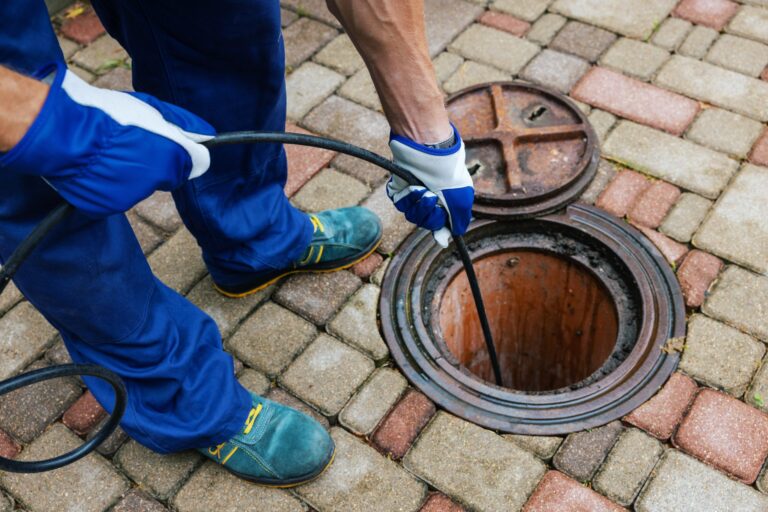
The process of hydro jetting involves using a specialized machine that generates extremely high-pressure water streams to clean the interior of pipes. A flexible hose equipped with a specially designed nozzle is inserted into the drainage system, allowing water to reach deep into the pipe network. The pressure of the water is strong enough to break down grease, sludge, mineral deposits, and other stubborn debris stuck to pipe walls. Unlike mechanical tools that only break clogs, this method cleans the entire pipe surface, restoring full flow capacity. The pressure is carefully controlled by trained professionals to ensure that pipes are not damaged during the process. This makes it one of the safest and most effective deep-cleaning techniques available today.
Benefits of hydro jetting for Drain Maintenance
One of the biggest advantages of hydro jetting is its ability to provide a complete and long-lasting cleaning solution. It removes all layers of buildup from inside pipes, ensuring smooth water flow and preventing future clogs. Another major benefit is that it is environmentally friendly because it uses only water without harmful chemicals. This makes it safe for both plumbing systems and the environment. It also improves drainage efficiency by restoring pipes to their original capacity. Regular use of hydro jetting can extend the lifespan of plumbing systems by reducing internal corrosion and buildup. Additionally, it minimizes the need for emergency plumbing repairs, saving time and money for property owners.
Signs That Indicate Drain Cleaning Is Needed
There are several warning signs that indicate a drainage system requires professional cleaning. Slow draining water in sinks, bathtubs, or toilets is often the first sign of internal buildup. Unpleasant odors coming from drains suggest trapped waste and bacterial growth inside pipes. Gurgling sounds during water flow may indicate partial blockages or air trapped in the system. Frequent clogs in multiple drains often point to a deeper issue within the main sewer line. In severe cases, water backup can occur, causing significant damage to property and hygiene concerns. Recognizing these signs early and taking action can prevent serious plumbing emergencies.
Role of Professional Services in Drain Cleaning
Professional plumbing services are essential for effective and safe drain cleaning because they have the expertise, tools, and experience required to handle complex drainage issues. Technicians begin by inspecting the system to identify the location and severity of blockages. Based on the condition of the pipes, they select the most suitable cleaning method. In many cases, hydro jetting is used to ensure deep and complete cleaning of the entire system. Professionals also ensure that the process is carried out safely without damaging pipes or surrounding structures. Their knowledge allows them to handle both minor and severe blockages efficiently, ensuring long-term results and system reliability.
Understanding hydro jetting in Detail
The process of hydro jetting is not just about clearing blockages but about restoring the entire drainage system to optimal performance. It begins with a detailed inspection using specialized cameras to assess pipe conditions and identify problem areas. Once the inspection is complete, high-pressure water is directed through the system using a controlled nozzle. This powerful stream removes all types of buildup, including grease, sludge, and mineral deposits, from pipe walls. The cleaning process continues until the pipes are completely cleared and water flows freely. Because it cleans the entire interior surface, it provides long-lasting results compared to traditional methods.
Another important aspect of hydro jetting is its ability to prevent future blockages. By thoroughly cleaning pipe walls, it removes residue that could otherwise accumulate over time. This reduces the likelihood of recurring drainage issues and ensures consistent system performance. It is widely considered one of the most effective modern solutions for maintaining healthy plumbing systems.
Preventive Maintenance for Drain Systems
Preventive maintenance plays a crucial role in keeping drainage systems functional and efficient. Regular inspections help identify early signs of buildup before they become serious problems. Avoiding the disposal of grease, oil, and solid waste into drains can significantly reduce the risk of clogs. Installing drain strainers can help catch debris before it enters the pipes. Scheduling periodic professional cleaning ensures that the system remains clear and efficient. Preventive maintenance not only improves performance but also reduces long-term repair costs and system downtime.
Long-Term Benefits of Proper Drain Care
Proper drain maintenance and advanced cleaning methods provide several long-term benefits. They improve water flow efficiency, reduce the risk of backups, and extend the lifespan of plumbing systems. Clean pipes also contribute to better hygiene by preventing foul odors and bacterial growth. Over time, regular maintenance reduces the need for emergency repairs and costly replacements. A well-maintained drainage system ensures smooth operation and protects property from water damage. Investing in professional cleaning solutions leads to long-term savings and improved system reliability.
Conclusion
Drainage systems are essential for maintaining hygiene, comfort, and functionality in any property. Over time, blockages and buildup can reduce system efficiency and cause serious plumbing issues if not addressed properly. Advanced cleaning methods like hydro jetting provide a powerful and effective solution for restoring full pipe performance and preventing future problems. By thoroughly cleaning the entire pipe system, it ensures long-lasting results and improved efficiency. Professional services, regular maintenance, and preventive care are essential for keeping drainage systems in optimal condition. A properly maintained system not only enhances performance but also reduces repair costs and ensures long-term reliability and safety.
