


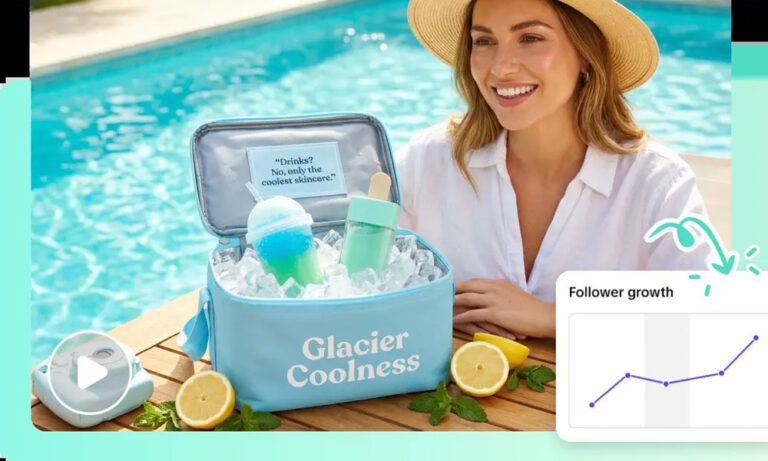
A great product can still go unnoticed if nobody stops to look at it. That is the problem a promotional clip is built to solve, yet most small teams treat it as an afterthought, something to figure out once the real work is done. The result is a flat slideshow that gets skipped in the first second. It does not have to be that way. The tools for building a persuasive promo have become fast enough and affordable enough that a founder, a marketer, or a store owner can produce one between meetings. This article breaks down what actually makes a clip stop the scroll, how the production process has changed, and the practical moves that turn a rough concept into something people watch to the end. No film degree required, just a clear message and a willingness to test.
Why the First Three Seconds Decide Everything
Attention online is brutal and unforgiving. On a crowded feed your clip competes with everything else a person could be doing, and the decision to keep watching happens almost instantly. A strong opening frame is not a nice-to-have; it is the entire game. If the first beat fails to signal relevance, nothing you say afterward gets a chance to land.
The teams that win this fight lead with tension or curiosity rather than a logo. They show the problem before the product, or they open on a result so appealing the viewer needs to know how it happened. This is why a well-built video promo front-loads its most compelling frame instead of saving it for a reveal. You are not writing a novel with a slow build; you are earning the next second, over and over.
Building a Clip That Actually Converts
Stopping the scroll is only half the job. Once you have attention, the clip has to move someone toward an action, and that requires structure rather than luck. The good news is that persuasive structure follows a repeatable shape you can learn once and reuse forever.
Lead With the Problem, Not the Product
People do not care about features until they feel the pain those features solve. Open on the frustration your audience recognizes, let it breathe for a beat, and only then introduce what fixes it. This ordering feels counterintuitive when you are proud of your product, but it mirrors how buying decisions actually form. The viewer needs to see themselves in the problem before they will care about the solution.
End With One Clear Instruction
A clip that tries to do three things asks the viewer to do none of them. Decide on a single action, whether that is a visit, a signup, or a purchase, and make that instruction unmistakable at the close. Ambiguity is the enemy of conversion. When someone finishes watching and feels a flicker of interest, the last thing they see should tell them exactly where to point it.
How Production Got Radically Faster
Not long ago a polished clip meant a shoot, an editor, and a turnaround measured in weeks. That timeline priced most small businesses out entirely. The shift to generated and template-driven production has collapsed that cost, and the change is more than convenience. When making a clip is cheap, you stop treating it as a single precious asset and start treating it as an experiment.
This experimentation is the real advantage. You can produce several openings for the same message, run them against a real audience, and let the numbers tell you which hook works. A brand can spin up variations for different platforms in an afternoon, matching each aspect ratio and pace to where it will run. Speed, in other words, does not just save money; it makes the whole thing measurable in a way that guesswork never could.
Matching the Clip to Its Platform
A promo that thrives on one feed can flop on another because each platform trains its audience to expect a certain rhythm. Vertical, sound-off, fast-cut content rules mobile feeds, while a landing page can support something calmer and more explanatory. Repurposing without adapting is a common and costly mistake.
The fix is to design for the destination from the start. Consider whether viewers will have sound on, how much text overlay the format needs, and what length holds attention there. A tool like Pippit AI makes it straightforward to output the same core message in several formats, so you honor each platform’s habits without rebuilding from scratch. The message stays consistent; the packaging bends to fit.
Testing Your Way to a Winner
The single habit that separates promos that perform from those that vanish is testing. No one, however experienced, reliably predicts which hook a specific audience will reward. Treat your first version as a hypothesis rather than a finished product. Change one variable at a time, usually the opening frame or the pacing of the first few seconds, and watch how retention responds. Over a handful of iterations you will develop an instinct for what your particular audience stops for, and that instinct compounds across every clip you make afterward.
From Rough Idea to Reliable Results
A persuasive promotional clip is no longer the exclusive territory of teams with big budgets and long timelines. The barriers that once made it hard, the cost, the turnaround, the specialized skill, have largely dissolved, and what remains is a craft anyone can practice. Lead with the problem, earn the first three seconds, close with one clear instruction, and adapt the packaging to each platform. Above all, treat every clip as a test rather than a final answer, because the audience will teach you what works faster than any theory. Start with a single strong hook, put it in front of real people, and refine from there. The idea sitting in your head is closer to a finished, scroll-stopping clip than you probably think, and the only way to find its best version is to start building and let the results guide you.
