


Basic first aid kits are useful, but they cannot save a life on their own during a sudden medical emergency. True readiness requires physical practice that overrides the natural human tendency to freeze under pressure. Discover how hands-on training develops automatic responses that keep people calm and active when every second matters.
We have all done it. We look at the red first aid box hanging on the office wall, tick a mental checklist, and assume we are completely safe. But plastic boxes do not save lives. People do.
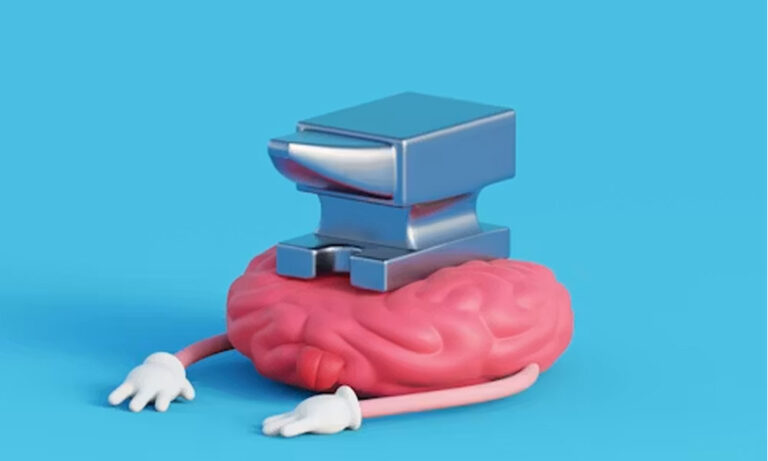
When a real crisis happens right in front of you, a strange thing occurs in the human brain. You do not automatically become a hero. Instead, you usually freeze. That is why getting an American Red Cross training certification is so vital for everyday citizens. It changes how your brain processes sudden trauma. Instead of drowning in panic, you switch to a predictable, practiced routine.
Why Do We Freeze During Medical Crises?
It is easy to think you will handle an emergency perfectly until you are actually in one. When a person collapses, your body experiences an intense, immediate rush of adrenaline. For anyone without a medical background, this chemical spike can cause a mental short-circuit.
You find yourself stuck staring. You know you need to do something, but your muscles simply refuse to follow your thoughts. This is a normal biological survival mechanism, but in a medical emergency, it is incredibly dangerous.
When a heart stops, brain damage can start in just four short minutes. You cannot afford to stand around waiting for an ambulance. You need to break through the hesitation immediately.
How Does Hands-On Practice Build Real Confidence?
Have you ever tried to learn a physical skill just by reading an instruction manual? It does not work well. You can watch dozens of online videos about chest compressions, but your hands will not know the true feeling until you practice in the real world.
Physical practice on a medical mannequin builds deep muscle memory.
- You feel the resistance: You discover exactly how much physical force is needed to properly compress a chest.
- You master the tempo: Instructors help you maintain the exact speed required to keep blood moving.
- You lose the anxiety: Practicing in a safe classroom removes the fear of accidentally hurting a real person.
By practicing these physical movements over and over, they become completely automatic. Your body takes over before your mind has a chance to overthink or panic.
What is Blended Learning?
Many people avoid safety certification because they think it takes too much time. Nobody wants to give up an entire weekend to sit in a boring, stuffy room listening to lectures.
Thankfully, modern certification programs have updated their methods to match busy schedules. Today, the top choice is a blended learning format. This layout lets you complete the dry, reading portions online from home at your own pace. You can finish it on your laptop whenever you have free time.
Once that is complete, you only visit the physical training facility for a few brief hours. There, you practice the physical skills directly with a certified instructor. It is fast, highly engaging, and fully compliant with workplace standards.
If you are looking for first aid training near the University Park neighborhood, South Union Avenue, or other areas close to our facility, then you may reach out to Coast2Coast First Aid/CPR – Los Angeles in that area.
Frequently Asked Questions
What does a blended learning course look like?
A blended course divides your training into two simple sections. First, you review the instructional theories and safety rules online on your own time. Second, you join a shorter, in-person session at a local center to practice the physical movements with an instructor.
Do I need prior medical experience to take a class?
No, not at all. These classes are built from the ground up for the general public. Instructors assume you have zero background in healthcare and explain every single step using clear, simple English.
How long does a typical certification remain valid?
Most standard first aid and CPR certificates stay valid for two years. After that period, you will need to take a quick, abbreviated recertification class to keep your skills sharp and update your credentials.
What is the primary difference between CPR and First Aid?
CPR is a specific, urgent technique used explicitly when someone is not breathing or their heart has completely stopped. First aid covers a much wider list of issues, such as treating burns, stabilizing broken bones, or handling severe allergic reactions.
Will I face legal trouble if I perform CPR incorrectly?
Most areas feature Good Samaritan laws that protect everyday people who step in to offer help during an emergency. As long as you act in good faith and stay within the limits of your training, the law protects you from liability.
