


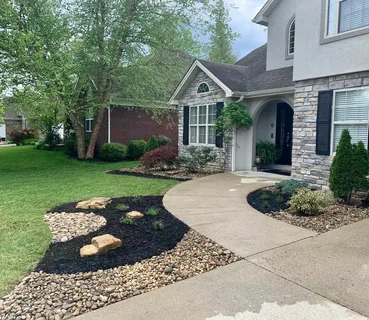
A homeowner in Phoenix finishes a weekend yard renovation and steps back to look at the result: smooth river pebbles lining a dry creek bed, polished stones framing a cluster of agave, and not a single bag of wood chips in sight. What used to be a mulched, high-maintenance yard now looks sharp in every season. This shift is happening in neighborhoods across the country, and it reflects a broader rethinking of how people approach ground cover.
The Practical Problem With Mulch
Mulch has always had a straightforward appeal. It’s cheap to buy, easy to spread, and gives garden beds an instant, tidy appearance. But the maintenance cycle that comes with it is where many homeowners start to reconsider.
Mulch decomposes quickly due to several factors, including excessive moisture, warm temperatures, and microbial activity.
That decomposition isn’t always a slow, graceful process. When mulch is exposed to excessive moisture without adequate airflow, it can lead to mold and fungal growth, and over time this creates a sour smell and speeds up breakdown, potentially harming plants.
The trade-off is real: mulch needs replacing every one to two years and costs $600 to $1,500 or more over five years for a 100-square-foot bed. That’s a recurring expense that adds up fast, especially for larger properties. Then there’s the time spent re-spreading, re-edging, and cleaning up displaced chips after heavy rain. It compounds the frustration.
Stone Delivers Long-Term Value
The upfront cost of decorative stone is higher, but the math shifts quickly once installation is done. Stone is the better choice for pathways, drainage areas, fire pits, high-traffic zones, and permanent landscape designs. It lasts 20 or more years, requires almost no maintenance, and pays for itself within three years compared to the recurring cost of mulch.
Decorative stones resist losing color or scattering in wind and rain. They help keep soil moist and in place when used around trees or shrubs, and they generally don’t attract pests such as termites or ants. That last point matters more than it might seem. Mulch is a known harborage for moisture-loving insects, and replacing it each year doesn’t eliminate the problem.
Low Maintenance, High Consistency
Stone doesn’t fade, compact into a mat, or wash into the lawn after a heavy downpour the way mulch can. Once it’s set in place with a proper weed barrier underneath, the primary maintenance task is an occasional rinse with a hose or a quick pass with a leaf blower to clear debris. That’s about it.
Curb Appeal That Holds Year-Round
Mulch looks its best the week it’s installed. Stone looks the same in February as it does in August. For homeowners focused on consistent curb appeal, that reliability is a genuine advantage. 2026 landscaping trends favor natural materials, neutral tones, and varied textures. Stone delivers all three without seasonal touch-ups.
Water Conservation Makes Stone a Smart Choice
The environmental case for stone ground cover is stronger than most people realize. Residential outdoor water use across the United States accounts for nearly 8 billion gallons per day, mainly for landscape irrigation, and the average U.S. household uses more water outside than for showering and washing clothes combined. Cutting the area of yard that needs regular irrigation is one of the most direct ways to bring that number down.
Stone ground cover eliminates irrigation wherever it’s used. Landscape rock requires no water and comes in a variety of colors, textures, and sizes. Using it in drought-tolerant landscaping provides an attractive, low-maintenance solution that conserves water by reducing the need for frequent irrigation while adding texture and visual interest to the outdoor space.
Sustainable landscape design often involves minimizing or eliminating turfgrass, replacing it with groundcovers, gravel, or mulch, and incorporating hardscaping elements like patios, walkways, and stone features to reduce water needs. In drought-prone regions, this approach isn’t just a preference. It’s increasingly a practical necessity.
Choosing the Right Stone for the Space
Not every stone works in every setting, and matching material to function makes a real difference in the final result.
River Rock and Pebbles
Smooth, rounded river rock works well in wide planting beds, around water features, and along dry creek beds. The rounded edges read as natural and relaxed, making them a strong fit for organic, flowing garden layouts. Decorative beach pebbles are a popular choice here, bringing a coastal, polished look that pairs well with ornamental grasses and succulents alike.
Crushed Granite and Decomposed Granite
Angular crushed granite compacts well underfoot, making it a reliable choice for garden paths and driveways. Decomposed granite, which has a fine, sandy texture, works beautifully as a base layer in xeriscape designs. Both options drain well and stay put in moderate rain.
Lava Rock
Lightweight and porous, lava rock is a good fit for raised beds and areas where drainage is a priority. Its dark reddish-brown color contrasts well with green foliage, and its low density makes installation less labor-intensive than denser options.
Where Stone Falls Short
Stone is not a universal replacement for mulch. Mulch is the better choice for garden beds, around trees, and anywhere soil health is the priority. It retains moisture, insulates roots through winter, and adds nutrients as it breaks down. Stone contributes no organic matter to the soil, and in full-sun environments, darker stones can absorb and radiate heat in ways that stress nearby plants.
The practical approach for most yards is to use both materials deliberately. Stone takes over the high-traffic zones, borders, pathways, and decorative features. Mulch stays in the active planting beds where soil health and root insulation matter most. That division keeps maintenance low while supporting the plants that need the most care.
The Takeaway
Stone-based landscaping has moved well past the “desert yard” aesthetic it was once associated with. Today it shows up in cottage gardens, modern minimalist designs, and traditional suburban yards alike. The combination of low maintenance, genuine durability, and water savings gives it an edge that’s hard to argue against, especially as water costs rise and homeowners look for outdoor spaces that look great without demanding constant attention. Starting with one or two areas, such as a front border or a side-yard path, is a low-risk way to see how stone performs in a specific yard before committing to a larger redesign.
