


The healthcare sector is continuously evolving, and the Bachelor’s Degree in Nursing presents a remarkable opportunity for individuals passionate about making a difference in this field. As a vital component of the healthcare workforce, registered nurses not only provide essential care but also play a crucial role in health education, patient advocacy, and clinical research.
Understanding the Role of Nursing in Healthcare
Nursing as a profession is instrumental in the delivery of healthcare services. Nurses serve on the front line, often being the first point of contact for patients. Their responsibilities encompass a wide range of tasks from administering medication and monitoring patient health to assisting in surgeries and collaborating with other healthcare professionals. By acquiring a Bachelor’s degree in Nursing, individuals are equipped with the necessary skills and knowledge to excel in these roles.
Why Choose a Bachelor’s Degree in Nursing?
Pursuing a Bachelor’s degree in Nursing offers numerous benefits. It not only provides a comprehensive education in nursing science but also enhances critical thinking and communication skills. Additionally, it opens doors to a variety of career pathways including clinical practice, hospital administration, and specialised fields such as paediatrics or geriatrics.
The Curriculum
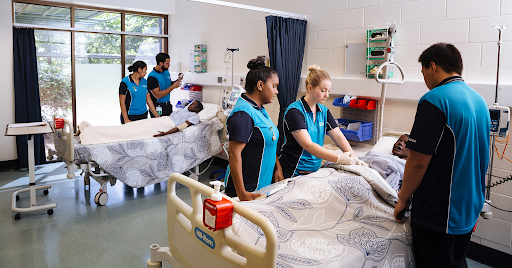
The curriculum of a Bachelor’s Degree in Nursing is designed to cover fundamental aspects of healthcare such as anatomy, physiology, and pharmacology. Moreover, students gain practical experience through clinical placements, allowing them to apply theoretical knowledge in real-world settings and develop hands-on skills under the supervision of experienced professionals.
Career Opportunities for Nursing Graduates
Graduates with a Bachelor’s in Nursing have a wide array of career options available to them. They can choose to work in hospitals, clinics, community health settings, or pursue opportunities in academia and research. The degree also provides a strong foundation for further studies, enabling graduates to specialise in areas such as nurse practitioner roles, midwifery, or health policy.
The Growing Demand for Nurses
The demand for qualified nurses is expected to grow significantly due to an ageing population and an increasing emphasis on preventive care. This growth is creating a robust job market, ensuring that nursing graduates enjoy excellent employment prospects and job security.
Nursing and Patient Advocacy
Nurses often serve as advocates for patients, providing them with vital information to make informed decisions about their health. This aspect of nursing highlights the importance of empathy and strong interpersonal skills, qualities that are heavily emphasised in a Bachelor’s degree program.
Impact on Healthcare Systems
With the expertise gained through a Nursing degree, graduates contribute significantly to improving healthcare systems worldwide. They are well-equipped to engage in policy-making processes and contribute to the development of healthcare practices that enhance patient care and outcomes.
The Future of Nursing Education
The future of nursing education is geared toward integrating advanced technologies and modern practices into the curriculum. This shift aims to prepare nurses to effectively manage complex healthcare environments and meet the challenges of modern medical practices.
Conclusion
Choosing to study for a Bachelor’s Degree in Nursing is more than just an academic pursuit; it is a dedication to a career centred on compassion, precision, and excellence in healthcare. As the healthcare landscape continues to change, the role of nurses becomes ever more critical, making it an ideal profession for those aiming to make a tangible impact on society.
