


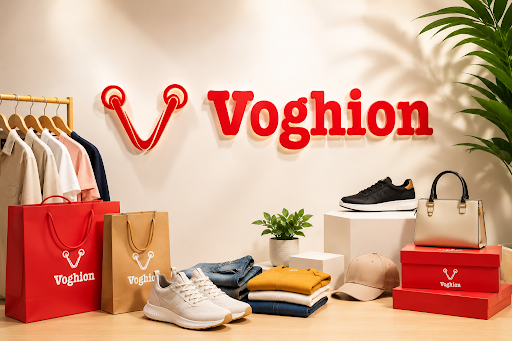
Fashion discovery has changed dramatically over the past decade. Young shoppers no longer wait for glossy magazines or seasonal runway shows to decide what to wear next. Instead, they scroll, swipe, and shop their way through an endless stream of style inspiration, often finding a new outfit idea and purchasing it within minutes.
This shift has reshaped not just how trends spread, but also where consumers choose to buy their clothes. Budget conscious shoppers, particularly Gen Z and younger millennials, are increasingly drawn to platforms that combine trend awareness with genuine affordability, and that is exactly where marketplaces built around variety and value have found their audience.
How Social Media Shapes Fashion Discovery
Instagram, TikTok, and Pinterest have become the new runways for everyday fashion. A single fifteen second video can turn an obscure clothing style into a viral must have overnight, and young consumers now treat these platforms as their primary source of style inspiration rather than traditional fashion media.
This constant exposure to new looks has created demand for shopping experiences that can keep pace with trend cycles, offering fresh items regularly instead of a handful of seasonal collections. Voghion, a London based online marketplace focused on Europe, has positioned itself around this exact behavior.
Founded in 2021, the platform serves shoppers across the UK, Europe, and more than 40 countries, and it works with a large network of suppliers to bring new fashion items to its catalog frequently, so users browsing for the latest trending piece are more likely to find something close to what they saw online, often at a fraction of the price charged by mainstream retailers.
The Rise of Micro Trends and Fast Style Cycles
Where fashion trends once lasted entire seasons, they now often last only a few weeks before being replaced by the next viral aesthetic, whether it is a particular colour palette, a silhouette, or an accessory style.
This acceleration has pushed young consumers toward shopping habits that prioritize flexibility over long term investment pieces. Rather than committing to one expensive item, many shoppers now prefer to try several lower cost pieces that reflect a trend while it is popular, then move on once the trend fades.
This behavior rewards platforms with broad catalogs and frequent product updates, since shoppers need constant access to new styles without paying premium prices for something they may only wear a handful of times.
Why Value Matters More Than Ever to Young Shoppers
Economic pressures, including rising living costs and student debt, have made price a central factor in how young people shop, even when they care deeply about looking current and stylish. Surveys consistently show that Gen Z shoppers compare prices across multiple platforms before purchasing, and they are far more willing than previous generations to buy from newer, less established marketplaces if it means better value.
This is not simply about finding the cheapest option, but about finding genuine quality at a reasonable price. Value driven marketplaces have responded by working directly with manufacturers, cutting out several layers of traditional retail markup, which allows them to offer lower prices without necessarily sacrificing product quality. Product categories such as basic tops, denim, accessories, and seasonal outerwear tend to see the highest turnover among value focused young shoppers, since these are the pieces most easily swapped in and out as trends shift.
Comparing Shopping Platforms for Budget Fashion
When young consumers are choosing where to shop, they typically weigh a handful of factors including price, variety, and delivery speed. An affordable fashion marketplace that combines a wide product range with competitive pricing tends to win out over single brand stores, since shoppers can browse multiple styles and categories in one place rather than jumping between apps.
Below is a comparison of how different types of shopping platforms generally stack up on the factors that matter most to budget conscious buyers.
| Feature | Fast Fashion Retailer | Department Store | Value Marketplace (e.g. Voghion) |
| Average item price | 15 to 40 USD | 30 to 80 USD | Under 15 USD, some items under 10 EUR |
| Product categories | Mostly apparel | Apparel, home, beauty | Fashion, home, electronics, beauty, over 200 categories |
| New arrivals frequency | Weekly | Seasonal | Continuous, updated regularly |
| Delivery time (Europe) | 3 to 7 days | 5 to 10 days | Roughly 7 to 15 business days |
| Supplier model | Brand owned production | Multi brand retail | Direct manufacturer network |
This kind of comparison shows why many young shoppers gravitate toward marketplaces that prioritize both range and price. Voghion, for instance, has built its catalog around this exact demand, offering items like graphic t-shirts, oversized denim jackets, and minimalist gold toned jewelry, all priced to make trend experimentation financially low risk. Shoppers looking for a quick wardrobe refresh often start with these kinds of low cost, high turnover pieces rather than investing in a single expensive item.
Frequently Asked Questions
How do young consumers usually find new fashion trends online? Most discover trends through short form video content on platforms like TikTok and Instagram, where influencers and everyday users showcase outfits that quickly gain popularity.
Why do budget marketplaces appeal to younger shoppers? They offer a wide range of frequently updated products at lower prices, which suits the fast moving nature of micro trends without requiring a large financial commitment.
Is buying from a marketplace like Voghion safe? Voghion operates as an established online marketplace with millions of app downloads across Europe, and it has built a supplier network specifically to keep prices low while maintaining reasonable quality standards. As with any online purchase, checking product reviews and seller ratings before buying is always a good practice.
Does lower price mean lower quality? Not necessarily. Many value marketplaces work directly with manufacturers, cutting distribution costs rather than cutting corners on materials, though quality can still vary by individual product and seller.
Conclusion
The way young consumers discover and shop for fashion has fundamentally shifted toward speed, variety, and value. Social media has compressed trend cycles into weeks rather than seasons, and shoppers have responded by favoring platforms that can keep up without straining their budgets. Marketplaces such as Voghion have tapped into this shift by offering a broad, constantly refreshed catalog at accessible prices, giving young shoppers the freedom to experiment with new styles without financial hesitation.
As this trend continues, the platforms best positioned for long term success will be those that keep combining genuine affordability with the variety today’s style conscious consumers expect.
