


Key Takeaways
- Proper planning helps reduce structural and safety risks before installation begins.
- Choosing suitable materials is essential for long-term performance and safe use.
- A stable foundation supports the durability of the entire decking structure.
- Slip resistance, drainage, and ventilation contribute to everyday safety.
- Regular inspections and maintenance help identify hazards before they become serious.
Introduction
Installing a timber deck requires more than selecting an attractive material and layout. Safety should remain a priority throughout planning, construction, and long-term maintenance to reduce the risk of structural issues, slips, and premature deterioration. Whether the deck is intended for residential or commercial use, careful attention to engineering, material selection, and environmental conditions can improve both durability and user safety. Homeowners considering outdoor timber decking in Singapore should understand the factors that influence a safe installation before work begins.
Begin with a Stable Foundation
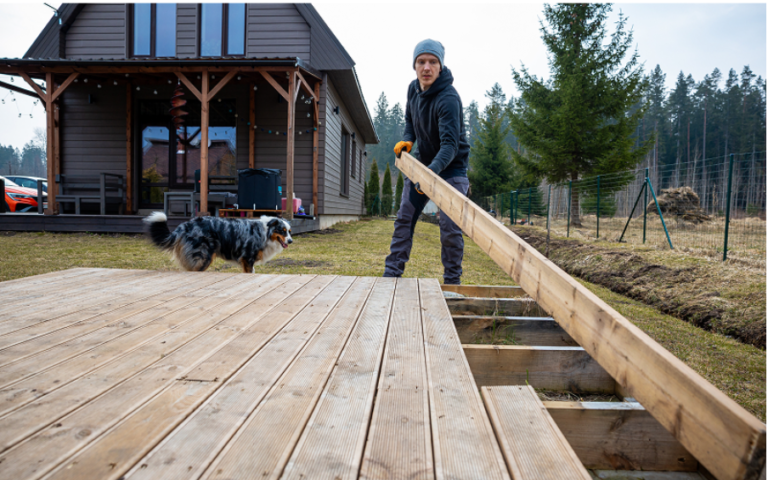
Every safe decking project starts with a properly designed foundation. The supporting structure must be capable of carrying the expected load while remaining stable over time. Ground conditions should be assessed before installation, especially where soil movement, moisture, or uneven surfaces may affect stability. Footings, joists, and support posts should be installed according to recognised construction standards, with appropriate spacing to prevent excessive movement or sagging. An unstable base may not only shorten the deck’s lifespan but also increase the likelihood of accidents caused by uneven or weakened surfaces.
Select Suitable Timber and Hardware
Not all timber products perform equally in outdoor environments. Selecting species with appropriate durability, strength, and resistance to moisture, insects, and fungal decay contributes significantly to overall safety. Equally important is the quality of the fasteners and connectors used during installation. Stainless steel or corrosion-resistant fixings are commonly selected to reduce rust and maintain structural integrity over time. Mixing incompatible metals and timber treatments should also be avoided, as chemical reactions may accelerate corrosion and weaken critical connections. Careful material selection supports both immediate installation safety and long-term structural reliability.
Reduce Slip and Trip Hazards
Deck surfaces should be designed with everyday use in mind. Smooth finishes may become slippery when exposed to rain, moisture, or accumulated dirt, making slip resistance an important consideration. Appropriate board finishes, anti-slip treatments, or textured surfaces can improve traction without affecting appearance. Consistent board spacing also helps prevent trip hazards while allowing water to drain efficiently. Fasteners should remain flush with the decking surface to eliminate protrusions that could catch footwear. Where steps or changes in level are incorporated into the design, clearly defined edges and adequate lighting further improve user safety.
Allow Proper Drainage and Ventilation
Moisture management is essential for maintaining safe decking conditions. Standing water may accelerate timber deterioration, encourage mould growth, and create slippery walking surfaces. Deck designs should include adequate drainage to prevent water from pooling after rainfall. Sufficient spacing beneath the deck promotes airflow, allowing timber components to dry more efficiently between wet conditions. Good ventilation also reduces the likelihood of hidden moisture accumulation that can weaken structural members over time. These measures contribute to safer and longer-lasting timber decking in Singapore, particularly in humid environments where moisture exposure is frequent.
Follow Safe Construction Practices
Installation safety extends beyond the finished deck. During construction, appropriate protective equipment should be used when handling timber, operating power tools, or working at height. Accurate measurements, secure temporary supports, and careful handling of heavy materials reduce the risk of workplace accidents. Electrical cables, underground utilities, and nearby structures should be identified before excavation begins to prevent unintended damage or injury. Maintaining a clean work area by removing loose materials and debris also helps minimise slips, trips, and other construction-related hazards.
Inspect and Maintain the Deck Regularly
Safety continues after installation is complete. Routine inspections help identify loose boards, protruding fasteners, cracked timber, or early signs of decay before they become significant hazards. Dirt, leaves, and algae should be removed regularly to maintain slip resistance, while protective coatings may be reapplied as recommended to preserve the timber’s condition. Areas exposed to heavy foot traffic should receive additional attention, as wear may develop more quickly. Prompt repairs reduce safety risks while extending the useful life of the deck.
Conclusion
Safe timber decking installation depends on careful planning, suitable material selection, sound structural design, and ongoing maintenance. Stable foundations, effective drainage, proper ventilation, and attention to slip resistance all contribute to a safer outdoor environment. Regular inspections further help maintain structural integrity and identify issues before they affect users. By addressing these considerations from the beginning, property owners can create decking that remains functional, durable, and safe for years to come.
Connect with Hardscapes and let us help you create a beautiful and functional retreat right at your home.
