


What Does Broad Spectrum Actually Mean?
TLDR: Broad Spectrum means that a sunscreen protects against both UVA and UVB rays, not just the sunburn causing kind. It’s one of the most important labels to look for if you want to protect your skin against long term sun damage.
You’ve probably heard the term “broad spectrum” used when considering sunscreen ingredients, as well as SPF. Most people don’t pay much attention to it, but it’s arguably more important than the SPF number itself. Here’s what broad spectrum actually means and why it’s worth paying attention to.
Broad spectrum simply means a sunscreen that offers protection against two types of ultraviolet radiation. UVA and UVB. If you are using sun protection that isn’t labeled broad spectrum, you are not fully protected from the potentially damaging effects of sun exposure, and that’s when the sun starts working against you. The FDA has recently regulated this term to ensure that it is clinically tested and proven to meet certain protection standards across both types of rays.
UVA vs. UVB In A Nutshell
The easiest way to remember the difference between the two is: UVA rays age you, UVB rays burn you.
UVB rays are the ones that are responsible for causing sunburn, which is what SPF was originally designed to measure. UVA rays penetrate the skin deeper and have been linked to undesirable factors such as premature aging, fine lines, and long- term skin damage. Both types are also linked to skin cancer risk, which is why dermatologists advise that neither should be ignored.
A sunscreen that only blocks UVB might stop you getting red after a day at the beach, but its not necessarily doing anything to protect against the deeper, long-term damage that UVA rays cause. And you don’t often see it happening in the moment, as it doesn’t create any visible symptoms.
Why This Matters Beyond Preventing Sunburn
It’s easy to equate sunscreen purely as sunburn prevention, but that’s only half the story. Since UVA rays don’t produce the immediate, visible signs that UVB rays do, its all too easy to assume that you have all bases covered, but this is unfortunately not the case. Broad Spectrum protection is what closes the gap between the rays you can feel and the ones you can’t.
This is especially relevant when it comes to daily use, as UVA rays are still present on cloudy days and they can even pass through window glass. If you only reach for sunscreen when you go to the beach, it’s worth reconfiguring your skincare routine to include broad spectrum protection.
How To Know If Your Sunscreen Is Broad Spectrum
This part is easy: just check the label. If a sunscreen meets the FDA’s testing standards for both UVA and UVB protection, it will be prominently featured on the packaging. If you don’t see broad spectrum printed anywhere on the label, then you can safely assume that you are only protected against one of the two types of rays.
Every Blue Lizard mineral sunscreen is broad spectrum, formulated with Zinc Oxide to protect against both UVA and UVB rays, so you can still enjoy being out in the sun while keeping your skin safe.
Broad Spectrum Protection For The Whole Family
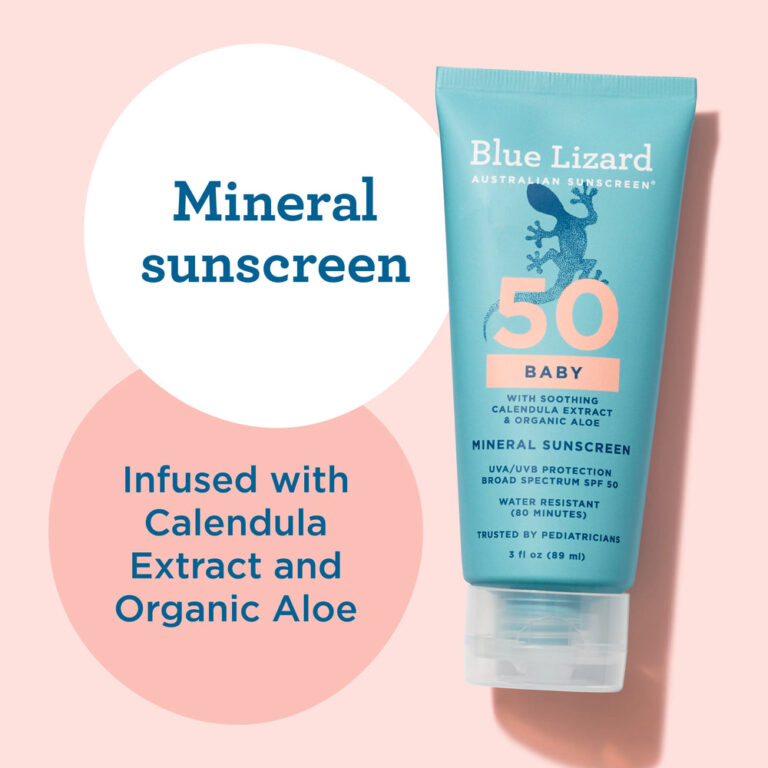
Broad Spectrum protection is important regardless of age, but it is especially important for babies and young children, due to their skin being more sensitive to UV exposure. Blue Lizard’s Baby Mineral SPF 50 Sunscreen Lotion offers broad spectrum protection in a formula that is free from chemical active ingredients, parabens or added fragrances that can irritate delicate skin. It is water resistant for up to 80 minutes, which makes it an ideal product for lazy beach days or an afternoon of splashing around in the pool.
Getting The Most Out Of Your Broad Spectrum Sunscreen
Proper application is the key to ensuring that a broad spectrum formula works effectively. A good guideline for optimal coverage is approximately one shot glass of lotion for your body and about a ¼ teaspoon for your face. Reapply every two hours when swimming, or if you are sweating to ensure it holds up to the sun all day.
The Bottom Line
Broad Spectrum isn’t marketing jargon, it is an FDA approved claim that ensures you have all bases covered when it comes to UV protection. The next time you are shopping for sunscreen, be sure to check the label for both SPF and broad spectrum to keep your skin safe from the harsh effects of the sun.
