


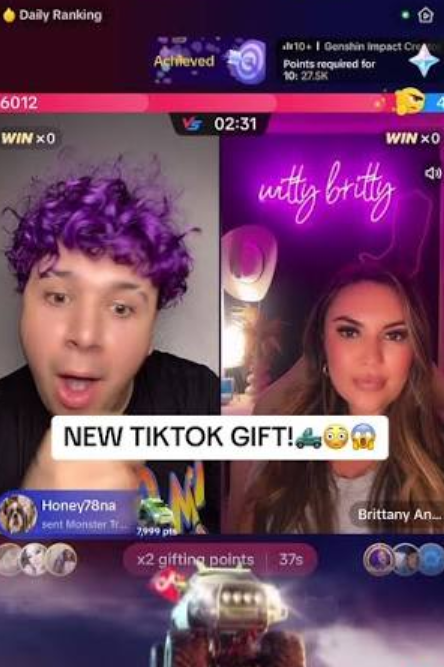
A livestream does not have to exist on its own. For a growing creator, a single LIVE session can become the starting point for conversations, future video ideas, community interactions, and new ways to understand an audience. When creators begin looking at livestreaming this way, using a tiktok live application becomes less about filling an hour on camera and more about creating a connected content experience. That shift in thinking can make a major difference, especially for creators who are trying to build a consistent presence rather than simply experiment with another platform feature.
Think Beyond the Broadcast
The first step is to stop treating each livestream as a one-time event. A creator may discuss a particular subject during a LIVE session and discover several questions that could become future short-form videos. A viewer might introduce a perspective that leads to another discussion. A recurring topic could eventually develop into a regular segment.
The tiktok live application is therefore only one part of the process. The more valuable question is how the creator can use LIVE interactions to strengthen the rest of their content strategy. This approach also reduces the pressure to constantly invent completely new ideas. Audience conversations can provide useful signals about what people genuinely want to discuss.
Use LIVE to Test Ideas
Short-form videos can be carefully edited, but creators sometimes have limited opportunities to explore a topic in depth. LIVE offers a different environment. A creator can introduce a subject and immediately see how viewers respond. Are people asking questions? Are they sharing personal experiences? Does the conversation naturally continue, or does interest disappear?
These reactions can help creators decide whether a topic deserves more attention. For example, an educational creator might test a broad subject during a livestream and notice that viewers repeatedly ask about one specific aspect. That smaller subject could then become a dedicated video or even a recurring LIVE theme. Instead of guessing what an audience wants, creators can use real conversations to inform future decisions.
Build Content Around Questions
Questions are among the most useful resources available during livestreaming. A repeated question can reveal a knowledge gap. A surprising question can introduce a new perspective. A group of related questions can even provide the outline for a future series. Creators should therefore pay attention to recurring themes rather than focusing only on individual comments.
This does not mean every question needs to become content. The goal is to identify patterns. When several viewers independently show interest in the same subject, that can be a stronger signal than a single isolated comment. Over time, these observations can help creators develop content that feels more connected to their community.
Let Your Audience Influence the Format
Audience participation does not have to stop at the comment section. Creators can invite viewers to help shape future sessions. They might ask which topic should be discussed next, invite questions before a broadcast, or develop recurring segments based on community suggestions. This can create a stronger sense of ownership among regular viewers.
People are more likely to feel connected to a community when their contributions have a visible impact. Even a small decision, such as choosing the subject of a future stream, can make the audience feel heard. For creators, this approach also provides a practical benefit: it creates a steady source of content direction.
Repurpose the Learning, Not Just the Footage
Creators often think of repurposing as simply taking pieces of a livestream and turning them into shorter videos. That can be useful, but the bigger opportunity is repurposing the ideas generated during the session. A creator can take a common audience question and create an educational video. A debate from the stream can inspire a discussion post. A frequently misunderstood topic can become a tutorial.
The result is a content ecosystem in which LIVE helps inform other formats. This can make a creator’s overall strategy more efficient because one type of content contributes ideas to another.
Where Structured Creator Support Fits
As a creator’s LIVE presence becomes more consistent, managing content, audience interaction, and operational responsibilities can become increasingly demanding. For TikTok creators, TikTok LIVE Creator Networks can provide structured support in areas such as training, content optimization, Creator Operations, community development, and ongoing creator growth. The purpose of that support is not necessarily to control a creator’s content. Instead, a network can help creators develop repeatable processes and improve areas that may be difficult to manage independently.
The changing role of creator-management organizations is also worth noting. Traditional MCN organizations were largely associated with managing and supporting creators around recorded content. As livestreaming has become more significant, some established MCN organizations are considering transitioning toward TCN-oriented models that are better aligned with LIVE-focused creator development.
Measure What Actually Helps
A content strategy can become complicated when creators try to monitor every available number. Instead, it can be more useful to identify a few meaningful signals. Creators might look at which topics generate sustained conversation, which sessions encourage repeat participation, or which audience questions continue appearing across multiple broadcasts.
These signals can reveal more about community development than a single viewer-count snapshot. The objective is to understand what creates a worthwhile experience and then repeat or improve those elements.
Keep the Human Element
With all the focus on strategy, creators should not lose sight of why LIVE content works in the first place. People enjoy livestreams because they feel immediate. A creator using a tiktok live application can respond to a comment, change the direction of a conversation, or acknowledge a viewer in a way that feels more personal than a recorded post.
That human quality is difficult to manufacture through a rigid content plan. A strong strategy should therefore create structure without eliminating spontaneity. Creators need enough preparation to stay comfortable, while leaving room for genuine interaction.
Final Thoughts
LIVE can be much more than another place to publish content. It can become a feedback loop that helps creators understand their audiences, discover new ideas, strengthen communities, and improve the direction of future content. The tiktok live application may make real-time broadcasting accessible, but the real opportunity comes from what creators build around each session. When livestream conversations influence future videos and audience feedback shapes new topics, LIVE becomes part of a larger content ecosystem. With consistent experimentation and, when appropriate, structured support from Creator Networks, creators can develop a LIVE strategy that grows alongside their audience instead of operating separately from it.
FAQs
Can a livestream help a creator find new content ideas?
Yes. Viewer questions, recurring discussions, and unexpected conversations can reveal subjects that may work well for future videos or additional livestreams.
Should creators plan every part of a LIVE session?
A basic structure can be helpful, but leaving room for spontaneous conversation is equally important. The ideal balance depends on the creator’s style and subject.
What does content repurposing mean for LIVE creators?
It can involve turning useful ideas, questions, discussions, or moments from a livestream into other content formats rather than relying only on the original broadcast.
How can creators make audiences feel involved?
They can invite questions, ask for opinions, let viewers influence future topics, and acknowledge useful contributions during the session.
Are Creator Networks only useful for large creators?
Not necessarily. The usefulness of a Creator Network depends on the creator’s goals and the type of support available. Training and structured guidance can be valuable at different stages of development.
