


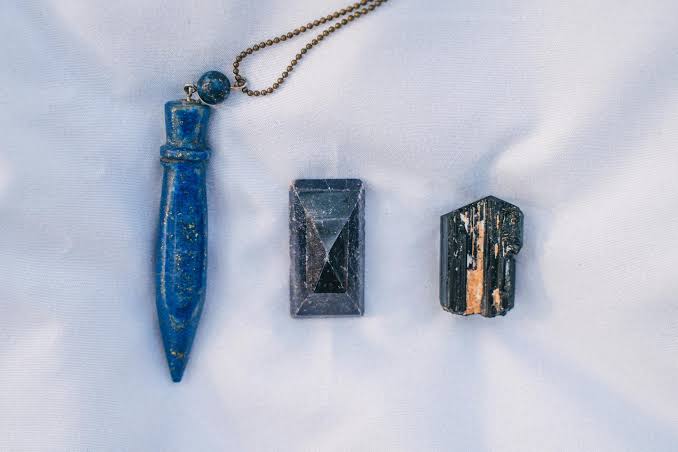
Choosing a gemstone can be an intriguing experience, especially when it carries centuries of cultural and astrological significance. For followers of Vedic astrology, gemstones are traditionally connected with planetary energies and are selected according to an individual’s birth chart. Among these, the neelam stone holds a distinctive position because of its association with Shani, or Saturn. However, its traditional significance also makes it important to understand when it may be considered, how it is selected, and why individual astrological circumstances matter.
Understanding Blue Sapphire in Vedic Astrology
In Vedic astrology, gemstones are traditionally regarded as supportive remedies associated with specific planets. Blue sapphire, commonly known as Neelam, is associated with Saturn. Shani is traditionally connected with discipline, responsibility, patience, structure, perseverance, and long-term effort. Saturn is not viewed only through the lens of challenges. Traditional astrology also associates this planet with maturity, accountability, organisation, persistence, and lessons developed through sustained effort.
Therefore, blue sapphire is traditionally regarded as a gemstone with a strong planetary connection rather than simply an attractive blue jewel. Its selection is generally approached differently from choosing jewellery based purely on colour or design. Astrologers may examine the ascendant, planetary positions, house ownership, aspects, conjunctions, planetary strength, and the prevailing planetary periods before making a recommendation.
When Should You Consider a Blue Gemstone?
There is no universal rule that blue sapphire is suitable for everyone. Its traditional use depends largely on the individual’s horoscope and Saturn’s position within it. An astrologer may consider recommending blue sapphire when Saturn has a favourable or significant role in the birth chart and strengthening its influence is traditionally considered appropriate. The current Mahadasha or Antardasha may also be taken into account because these planetary periods are believed to highlight particular planetary influences during different stages of life.
Some individuals may explore this gemstone when seeking a traditional astrological remedy associated with discipline, stability, responsibility, professional commitments, or perseverance. However, these associations belong to the traditional framework of Vedic astrology and should not be interpreted as guaranteed outcomes. The central principle is personalisation. Rather than selecting the gemstone simply because it is considered powerful, an individual can first understand whether its planetary association is traditionally appropriate for their horoscope.
Why Your Birth Chart Matters
The birth chart plays an important role in traditional gemstone selection. Vedic astrology uses details such as the date, time, and place of birth to construct a horoscope and assess the positions and relationships of different planets. Saturn’s placement by itself may not provide enough information to determine whether blue sapphire is appropriate.
An astrologer may study its house placement, zodiac sign, strength, aspects, conjunctions, and relationship with the ascendant and other planetary influences. The planetary periods operating at a particular time can also be considered. Mahadasha and Antardasha are traditionally used to identify the planetary influences that are prominent during specific periods of life. This approach helps move gemstone selection away from generic recommendations.
What Should You Look for When Choosing Blue Sapphire?
After determining that blue sapphire is traditionally suitable, attention should turn towards the quality and authenticity of the gemstone. Natural gemstones can differ significantly in colour, clarity, origin, treatment, cut, and overall quality. For individuals searching for a blue sapphire stone in Bangalore, evaluating the gemstone beyond its visual appeal can be particularly important. A beautiful appearance does not by itself establish whether a stone is natural, treated, or suitable for an astrological purpose.
Before purchasing, buyers can consider several factors, including:
- Whether the gemstone is natural or laboratory-created
- Whether it has undergone any treatments
- Colour, transparency, and clarity
- Visible inclusions and internal characteristics
- Cut, proportions, and overall finish
- Carat weight and dimensions
- Availability of a reliable laboratory certificate
A recognised gemstone certificate can provide useful information about the stone’s characteristics and help buyers make a more informed decision. Transparent information about treatments and origin can also make the purchasing process clearer.
Common Mistakes to Avoid
The popularity of blue sapphire has resulted in several assumptions about its use. One common mistake is purchasing it simply because it is described as a highly powerful gemstone. Another misconception is that every blue-coloured gemstone can serve the same purpose. Different gemstones have distinct mineral properties and traditional planetary associations, so they should not automatically be considered interchangeable. Buyers should also be cautious about dramatic promises concerning immediate changes in wealth, relationships, career, or other areas of life. Gemstone traditions are part of a cultural and spiritual system, and individual interpretations can vary. They should therefore be approached with realistic expectations.
How to Approach Blue Sapphire Responsibly
A thoughtful approach begins by understanding why the gemstone is being considered. If the motivation comes from Vedic astrology, consulting a knowledgeable astrologer can help determine whether Saturn’s role in the birth chart traditionally supports the recommendation. Once suitability has been established, attention can shift towards authenticity and quality. Buyers can ask about the gemstone’s origin, certification, treatment status, physical characteristics, and suitability for the intended purpose.
The Importance of Authenticity and Spiritual Connection
Gemstones can hold significance beyond their physical appearance. For many people, they form part of a broader spiritual practice that connects personal beliefs with traditional knowledge passed down through generations. This is why authenticity and transparency can matter when exploring gemstones. A responsible purchasing experience should allow individuals to understand what they are buying while giving them the opportunity to make decisions that align with their personal beliefs and astrological guidance.
Conclusion
Considering a blue gemstone is ultimately a personal decision that, within Vedic astrology, is traditionally connected to the individual’s birth chart and the position of Saturn. Understanding this connection can help prevent impulsive selection based solely on popularity, appearance, or general claims about the gemstone.
For those interested in exploring this tradition, careful astrological guidance combined with attention to gemstone authenticity and quality can create a more informed experience. RudraTree brings together a focus on spiritual traditions, authentic products, and accessibility, helping individuals explore Rudraksha, gemstones, and related practices as part of a thoughtful spiritual journey. Its approach places emphasis on connecting traditional significance with trust, quality, and a deeper appreciation of the practices surrounding these sacred offerings.
