


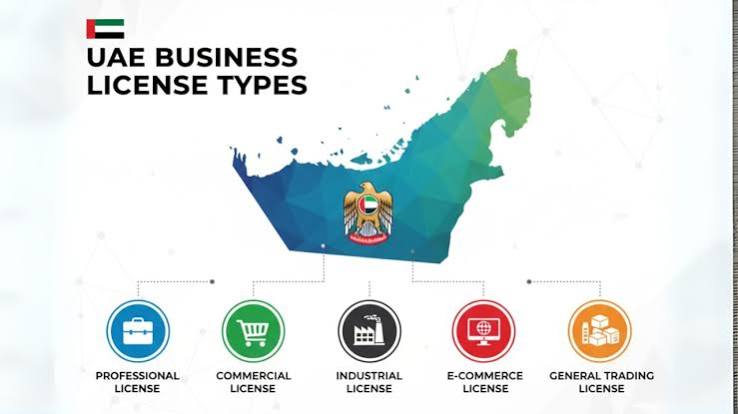
One of the world’s best investment environments has been developed by the UAE through its network of economic free zones.
The Free Zone Law UAE framework offers a roadmap for international investors, real estate developers, and PropTech innovators who want to run their businesses smoothly and keep it all above board.
Free zones act as tax-friendly districts because they are legally structured ecosystems that follow set regulations and compliance requirements. The free zone legal framework is there to help businesses that carry out their activities in the UAE.
What Is the Free Zone Law UAE Framework?
UAE foreign investors have the opportunity to start a business wholly owned by them (100%) through specially designated economic areas that act as free zones. Although each free zone has its own regulatory authority and internal regulations, they must conform to federal laws such as criminal law and anti-money laundering that govern those areas.
The primary legal framework consists of:
- Federal Decree Law No. 32 of 2021 on Commercial Companies
- Individual free zone authority regulations
- Federal tax and economic substance laws
Free zone entities operate under their respective free zone authorities, which provide their licensing and regulatory systems.
Key Features of UAE Free Zones
The Free Zone Law UAE framework grants businesses multiple benefits that include:
- 100% foreign ownership
- Full repatriation of profits and capital
- Streamlined licensing procedures
- Sector-specific regulatory environments
- Independent dispute resolution mechanisms (in certain zones)
DIFC, ADGM, JAFZA, and DMCC function as prominent free zones, each of which operates under different legal systems and focuses on specific commercial activities.
The two free zones of DIFC and ADGM maintain their own judicial systems which operate under common law. The other free zones in the UAE follow the civil law system of the country.
Corporate Structure Under Free Zone Law UAE
Businesses can typically establish:
- Free Zone Establishment (FZE) – single shareholder
- Free Zone Company (FZCO or FZ-LLC) – multiple shareholders
- Branch of a foreign or UAE company
Each structure has specific capital requirements that govern its operations and documentation needs.
The operational needs of real estate businesses and property technology companies determine their choice of business structure, which affects their ownership rights and ability to operate across international borders.
Free Zone Compliance UAE: Regulatory Requirements
Although free zones have operational advantages, to play in a free zone, companies need to satisfy all the free zone compliance requirements in the UAE.
1. Licensing and Activity Approval
Individual companies have the responsibility of carrying out their operations within the limits of their activities under which the company has been granted a license. When an enterprise engages in unauthorised operations, it will face fines and its licence will be terminated.
2. Reporting & Corporate Governance
Many free zones require:
- Financial statements annually
- Audited accounts (in some areas)
- Keeping of statutory registers
3. Economic Substance regulations (ESR)
In the case where companies are relevant in the performance of the activities, the companies are required to satisfy the fact that they have sufficient economic presence in the UAE.
4. Corporate Tax Registration
Free zone entities are obligated to qualify as a Qualifying Free Zone Person under the introduction of the UAE Corporate Tax through Federal Decree Law No. 47 of 2022, to receive a 0-percent corporate tax rate on their qualifying income.
5. Anti-Money Laundering (AML) Compliance
The free zone entities will have to comply with the federal regulations on Anti-Money laundering, which will require them to set up their compliance procedures and share the information on their beneficial ownership with the authorities.
To avoid fines, suspension of the license, and damage to the business reputation, it is important to continue the abidance by the requirements of the UAE free zone system.
Differences Between Mainland and Free Zone Legal Framework
The main distinction between mainland and free zone entities must be understood because it is essential to their proper operation.
| Mainland Company | Free Zone Company |
| DED provides the necessary licensing for operational activities | Free Zone Authority issues the required licenses for the operations of the business |
| The business can conduct direct trade with all parts of the UAE | To conduct trade with the mainland business needs to work with a distributor |
| The entity must follow Commercial Companies Law requirements in full | Free Zone regulations and federal laws govern the entity’s operations |
For real estate investors and PropTech providers managing multi-jurisdictional assets, this distinction affects operational scalability and contractual structuring.
Dispute Resolution Under Free Zone Law UAE
The free zone determines which method will be used to resolve disputes within its area.
- DIFC and ADGM operate their own courts, which follow common law legal principles
- The other free zones of the UAE use either civil courts or arbitration for their legal proceedings
Companies use arbitration clauses in their contracts because these clauses protect confidentiality while making their agreements legally enforceable.
The jurisdictional framework becomes essential when organizations create joint ventures or property development partnerships.
Why the Free Zone Legal Framework Matters for Real Estate & PropTech
The UAE free zones offer property developers, asset managers, and technology providers business opportunities through their flexible operations and worldwide connectivity.
The Free Zone Law UAE framework grants businesses the ability to:
- Protect shareholder rights
- Maintain tax efficiency
- Avoid regulatory penalties
- Support scalable growth
Conclusion
The Free Zone Law UAE system offers businesses the possibility of foreign ownership, besides granting them regulatory benefits such as fewer restrictions on the transfer of profits if they complete all compliance requirements. For the survival of capital-intensive industries such as real estate and property, technology companies need to have a good grasp of the UAE free zone compliance requirements.
Being an international investment hub, the UAE has accordingly required businesses to be both legally aware and technologically adaptable. Through our partnership, you can benefit from enhanced governance and operational efficiency if you leverage the MRI-integrated connected solutions for the real estate portfolio of your business.
FAQs:
1. Are free zone companies exempt from UAE Corporate Tax?
No, it’s not automatic. Companies must qualify as “Qualifying Free Zone Persons” and meet local regulatory conditions.
2. Can free zone companies trade directly in the UAE mainland?
In most cases, a mainland distributor or branch is required unless otherwise allowed.
3. Are audits mandatory for all free zone companies?
Each free zone authority has established its own rules, so audit requirements vary accordingly.
4. Is 100% foreign ownership guaranteed in free zones?
Absolutely, free zones are known to allow foreign investors to have full ownership.
5. Are free zone companies subject to UAE federal laws?
Yes, at least for AML, criminal law, and taxation.
