


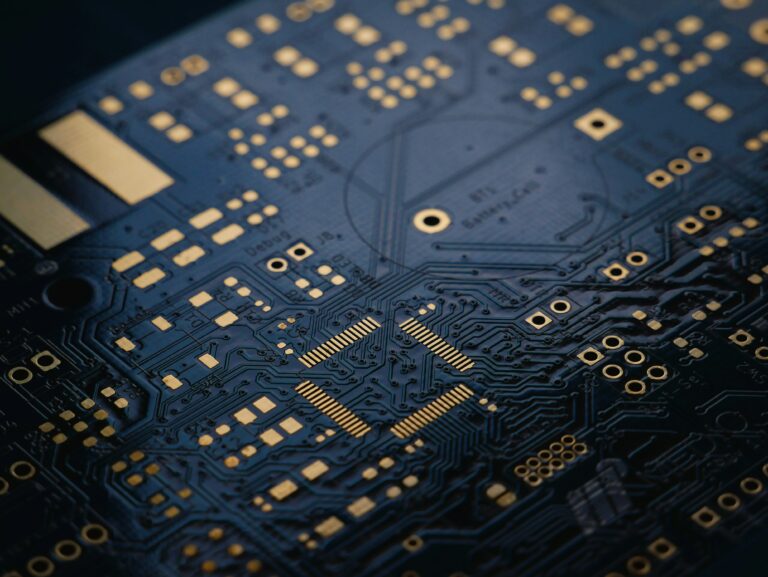
Developing electronic products often requires manufacturers to produce a limited number of circuit boards before committing to large-scale manufacturing. Startups, engineering teams, and established companies may need small batches for prototype testing, product demonstrations, market trials, or specialized customer orders. Producing thousands of boards too early can increase costs and create unnecessary inventory risks. Low volume PCB assembly offers a practical solution by allowing businesses to manufacture smaller quantities while evaluating product performance and refining their designs.
Fast Turn PCB is an option to consider when comparing PCB manufacturing and assembly solutions for small-batch production. By selecting an appropriate manufacturing process, companies can manage development costs, test new ideas, and prepare their electronic products for future production needs.
What Is Low Volume PCB Assembly?
Low volume PCB assembly is the process of mounting electronic components onto printed circuit boards in relatively small quantities. Unlike high-volume production, which focuses on manufacturing large numbers of identical assemblies, low-volume manufacturing accommodates limited orders and projects that may require greater flexibility.
Depending on the project, the process can include PCB fabrication, component sourcing, surface-mount technology (SMT), through-hole assembly, soldering, inspection, and electrical testing.
The required quantity varies according to the manufacturer’s production model and the project’s needs. A small batch might contain a handful of prototype boards or several hundred units for pilot production.
This approach is particularly useful when a product is still being developed or when demand is too uncertain to justify a large manufacturing commitment.
Why Small-Batch PCB Assembly Matters
1. Lower Initial Investment
Producing a large quantity of circuit boards requires spending money on components, fabrication, assembly, and inventory before all market demand is known. For new businesses, this can place unnecessary pressure on available budgets.
Low-volume production allows companies to begin with a smaller order and evaluate their products before expanding manufacturing. Although the per-unit cost may be higher than in mass production, the overall initial investment can be more manageable.
This makes small-batch assembly a useful option for businesses that want to control financial risk while testing new electronic products.
2. Easier Prototype Testing
Electronic product development usually involves several rounds of testing and refinement. Engineers may need to verify circuit functionality, inspect component placement, measure power consumption, or test communication interfaces.
Small production runs provide physical boards for these activities without requiring a large manufacturing commitment. If the design needs improvement, the next batch can incorporate the necessary changes.
This iterative process helps engineering teams identify problems earlier and make more informed decisions before scaling production.
3. Greater Design Flexibility
New products often change during development. Component availability, customer feedback, mechanical requirements, or test results may lead to design revisions.
Smaller assembly orders can make it easier to evaluate updated board layouts and component configurations. Instead of maintaining a large stock of boards based on an earlier design, companies can order quantities that better match their current development stage.
However, businesses should clearly identify design revisions and confirm the correct manufacturing files before each order to avoid assembling outdated versions.
4. Reduced Inventory Pressure
Holding excessive inventory can create storage costs and increase the risk of obsolete products. This is especially relevant for electronics because components may be discontinued or product specifications may change.
Low-volume manufacturing allows businesses to align production more closely with immediate requirements. Companies can evaluate demand, monitor product performance, and adjust future orders based on actual results.
This approach can be particularly valuable for specialized equipment, custom electronics, and products with uncertain demand.
Common Applications of Low Volume PCB Assembly
Small-batch PCB assembly supports a wide range of industries and development activities.
Startups and new product development: Early-stage businesses can produce working electronic prototypes for testing, demonstrations, and investor presentations.
Industrial electronics: Manufacturers may need limited quantities of control boards, monitoring devices, or replacement circuit assemblies for specialized equipment.
Medical device development: Development teams can use small batches to evaluate electronic designs, subject to the applicable validation, quality, and regulatory requirements.
Research and education: Laboratories, universities, and engineering teams may require limited board quantities for experiments and technical projects.
Specialized consumer products: Businesses producing niche electronic devices can manufacture smaller batches while assessing customer demand and product feedback.
The appropriate manufacturing process depends on board complexity, component requirements, testing needs, and the intended application.
Important Factors to Consider Before Ordering
Choosing a suitable assembly service requires careful planning. Even small orders benefit from complete documentation and clear manufacturing requirements.
Prepare Accurate Design Files
Manufacturers commonly require Gerber files or other accepted PCB fabrication data, a bill of materials (BOM), pick-and-place files, and assembly drawings when components need to be installed.
These documents should match the latest approved design. Missing information or inconsistent part numbers can delay production and create avoidable errors.
Check Component Availability
Component sourcing can significantly affect small-batch production schedules. Some electronic parts have long lead times, limited stock, or minimum purchase quantities that exceed the number of boards required.
Review the BOM before placing an order and discuss any unavailable components with the manufacturer. Alternatives should only be used after the appropriate customer or engineering approval.
Define Testing Requirements
Testing helps confirm that assembled boards meet their intended specifications. Depending on the application, requirements may include visual inspection, automated optical inspection (AOI), electrical testing, or functional testing.
Businesses should communicate these expectations before production begins. This helps ensure that the assembly process and quotation reflect the required level of verification.
Compare Cost and Lead Time
Low-volume orders may have higher per-unit costs because setup, programming, tooling, and engineering activities are distributed across fewer boards.
When comparing quotations, consider the complete project cost rather than the unit price alone. Component sourcing, assembly, testing, shipping, and any setup charges may affect the final budget.
Lead times should also be confirmed based on the actual board specifications and component availability.
How Fast Turn PCB Fits Into Small-Batch Production
Fast Turn PCB can be considered when comparing PCB manufacturing and assembly options for small production runs. Businesses should evaluate available services, technical capabilities, quality procedures, and production schedules against their specific requirements.
The process generally begins with submitting design files, component information, required quantities, and technical specifications. The manufacturer can then assess the project and provide a quotation based on the requested services.
Before confirming an order, customers should clarify whether the service includes bare-board fabrication, component procurement, assembly, inspection, and testing. They should also confirm expected delivery dates and communicate any special requirements.
A clear agreement helps both parties understand the scope of work and reduces the likelihood of misunderstandings during production.
Best Practices for Successful Small-Batch Manufacturing
Businesses can improve their results by following several practical steps:
- Start with a defined objective: Decide whether the boards are intended for engineering tests, pilot production, demonstrations, or customer delivery.
- Review the design before ordering: Check component footprints, clearances, and manufacturing constraints to reduce avoidable revisions.
- Keep documentation organized: Use consistent file names and revision numbers for every production batch.
- Plan for future scaling: Consider whether the design can transition to larger production quantities without major changes.
- Maintain communication: Share deadline requirements, testing expectations, and approved design updates with the manufacturing partner.
These practices help create a more predictable process while preserving the flexibility that makes small-batch production valuable.
Conclusion
Low volume PCB assembly gives businesses a practical way to develop, test, and manufacture electronic products without immediately committing to large production quantities. It can help control initial investment, simplify design revisions, reduce inventory pressure, and support a more flexible product development process.
Fast Turn PCB is worth evaluating when comparing manufacturing solutions for prototypes, pilot runs, and specialized electronic products. By preparing accurate files, confirming component availability, and defining quality requirements, businesses can make better manufacturing decisions and improve the efficiency of their small-batch projects.
