


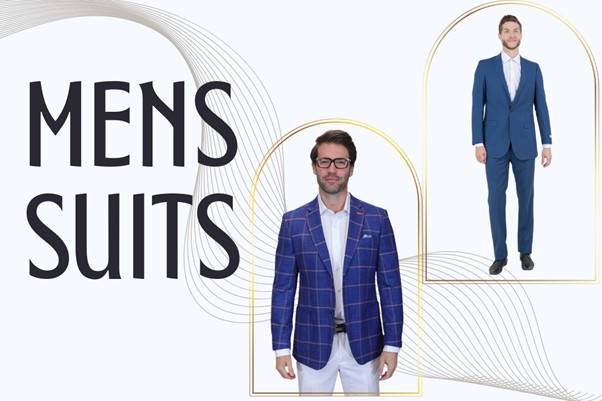
Picture two men walking into the same room wearing identical suits. One turns heads immediately—people notice him, assume he’s successful, naturally gravitate toward conversation with him. The other blends into the background, unremarkable despite wearing the exact same outfit. The difference? Fit. It’s the invisible force that separates looking good from looking extraordinary, and it’s the single most important factor in how a suit presents you to the world.
The Magic of Perfect Fit
There’s a reason why custom tailoring has been revered for centuries. A perfectly fitted suit does something almost magical—it enhances your natural frame, corrects minor proportional imbalances, and projects an image of confidence before you’ve said a single word. When every seam sits exactly where it should, when the shoulders align precisely with your own, when the trousers break perfectly over your shoes, something remarkable happens. You don’t just wear the suit; the suit becomes an extension of who you are.
Finding well-constructed Mens Suits that fit your unique body shape isn’t a luxury anymore—it’s become accessible to men at every price point, transforming how everyday professionals present themselves in both business and social settings.
The Psychology Behind a Great Fit
The impact of wearing a properly fitted suit extends far beyond appearance. This isn’t just in your head. Studies have demonstrated that people in tailored suits are perceived as more successful, trustworthy, and capable leaders compared to those in ill-fitting alternatives. The confidence you feel translates into better posture, more decisive communication, and stronger presence—creating a positive feedback loop that genuinely changes outcomes in meetings, interviews, and social interactions.
Key Areas Where Fit Makes or Breaks Your Look
Understanding what separates a well-fitted suit from a poor one helps you make better purchasing decisions and communicate effectively with tailors.
The Shoulders are non-negotiable. This is the one area that cannot be properly altered after purchase. The shoulder seam should sit exactly where your natural shoulder ends—not drooping down your arm, not bunching up toward your neck. If the shoulders don’t fit right off the rack, no amount of tailoring will fully fix the problem.
The Chest should accommodate your body without pulling or pooling. When buttoned, you should be able to slip your hand flat between your chest and the jacket comfortably, without excess fabric billowing or the buttons straining. X-shaped wrinkles radiating from the button indicate the jacket is too tight, while loose drapery suggests too much room.
The Jacket Length has shifted over the years, but the classic rule remains reliable—the hem should cover your seat and end somewhere around your knuckles when your arms hang naturally at your sides. Too short looks juvenile; too long appears sloppy.
The Sleeves should reveal about a quarter to half inch of shirt cuff when your arms are relaxed. This small detail signals attention to proper dressing and adds visual interest to an otherwise solid silhouette.
The Trouser Break refers to how pants meet your shoes. Modern styling favors no break or a slight break—a clean line rather than excessive fabric pooling around your ankles. The hem should touch the top of your shoe with minimal folding.
Off-the-Rack, Made-to-Measure, or Bespoke?
Understanding your options helps you invest wisely in suits that deliver maximum transformation.
Off-the-rack suits work well for men with relatively standard proportions. Today’s better brands offer multiple fit categories—slim, classic, athletic—that accommodate different body types. Even off-the-rack suits benefit enormously from basic alterations to the sleeve length, trouser hem, and waist suppression.
Made-to-measure represents a middle ground that has revolutionized suit shopping. Your measurements modify pre-existing patterns, creating garments tailored to your specific dimensions without the full cost of bespoke tailoring. For most men, this option delivers exceptional results at reasonable prices.
Bespoke tailoring remains the pinnacle of suit craftsmanship. Individual patterns are created specifically for you, with multiple fittings throughout the construction process. While significantly more expensive, bespoke suits often last decades and can be adjusted as your body changes over time.
Fabric Choices That Complement Great Fit
Even perfect fit falls flat with poor fabric choices. Quality materials drape better, wrinkle less, and maintain their shape through years of wear.
Wool remains the gold standard for good reason—it breathes naturally, resists wrinkles, and holds its shape beautifully. Super 100s to 120s wool offers an ideal balance of refinement and durability for most men. Higher super numbers feel luxurious but require more careful handling.
Seasonal considerations matter more than many men realize. Lightweight tropical wools and linen blends keep you comfortable through summer months, while flannel and heavier worsteds provide warmth and visual weight for colder seasons. Building a wardrobe across different weights ensures you look your best year-round.
Color and Pattern Strategy
Your first suit should almost always be navy or charcoal—these colors work across virtually every professional and social occasion. Black suits, despite popular belief, are actually too formal for most daily business settings and work best for evening events and solemn occasions.
Once you’ve covered the essentials, expanding into subtle patterns adds versatility. Glen check, pinstripes, and windowpane patterns create visual interest while remaining professional. Brown and lighter grey suits offer sophisticated alternatives for men who want to distinguish themselves from the navy-and-charcoal majority.
The Details That Elevate Everything
Small elements make enormous differences in how your suits present you to the world.
Quality shirts should fit as carefully as your suits—neck, shoulders, and sleeve length all matter. Ties should complement rather than dominate, with appropriate width proportional to your lapels. Pocket squares add personality without requiring major investment. Well-polished shoes in quality leather might be the single most impactful accessory, as people genuinely notice footwear quality.
Belt and shoe colors should coordinate, and metals in your watch, belt buckle, and cufflinks ideally should match as well. These seemingly minor coordinations signal thoughtfulness and attention to detail that others register subconsciously.
Building a Transformative Wardrobe
Rather than buying multiple mediocre suits, invest in fewer exceptional ones. Three well-fitted, quality suits will serve you better than seven ill-fitting alternatives. Start with a navy suit for versatility, add charcoal for serious occasions, and eventually incorporate a patterned option for variety.
Maintenance protects your investment. Rotate suits rather than wearing the same one consecutively, use cedar hangers to maintain shape, and have them professionally cleaned only when necessary—over-cleaning breaks down fabric prematurely.
The Transformation is Real
Men who discover properly fitted suits rarely return to ill-fitting alternatives. The confidence boost, the positive attention, the doors that seem to open more easily—these aren’t imagined benefits. They’re real outcomes of presenting yourself with the intention and polish that great fit communicates.
Your suit should work for you, not against you. It should enhance your best features, create balanced proportions, and project the image of the man you aspire to be. When you find that perfect fit, you’ll understand why generations of successful men have considered excellent tailoring among their most important investments—not in clothing, but in themselves.
