


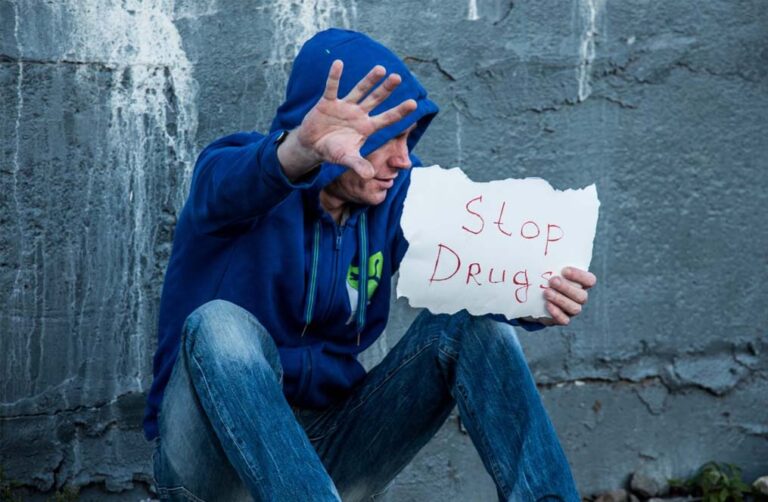
Youth drug and alcohol services in Australia operate as a structured system of care that responds to different levels of need. Support is not limited to a single program. It can include early intervention, community counselling, withdrawal care, residential rehabilitation, mental health support, family support, and aftercare. Each service type addresses a specific stage of risk and recovery, ensuring young people receive targeted and appropriate care.
The Australian Institute of Health and Welfare (AIHW) identifies early engagement and continuity of care as key factors in improving outcomes for young people experiencing substance use challenges. Access to appropriate youth drug and alcohol services allows intervention to begin at the right time, reducing harm and improving the likelihood of sustained recovery.
Early Intervention Targets Emerging Substance Use
Early intervention services focus on identifying and responding to substance use before it becomes entrenched. These services are typically delivered through community settings and include screening, brief counselling, and education about the risks associated with alcohol and other drugs.
This level of care is designed to address behavioural changes early, including declining school engagement, mood instability, and increased risk-taking. Healthdirect notes that substance use becomes a concern when it begins to affect health, judgment, or daily responsibilities. Early intervention reduces escalation and helps maintain stability in education and family life.
For example, a young person showing early signs of substance use at school may be referred to a community service for brief counselling and support before more intensive treatment is required.
Family involvement is often included to strengthen communication and create a supportive environment. This ensures that behavioural changes are reinforced outside clinical settings.
Community Counselling Supports Daily Stability
Community-based care allows young people to receive ongoing support while remaining in their home environment. This model is appropriate when the individual can maintain basic daily functioning but still requires structured therapeutic input.
Services typically include counselling, behavioural support, and case management. Treatment focuses on identifying triggers, building coping strategies, and improving emotional regulation. Coordination with education providers and mental health services ensures broader support needs are addressed.
Community-based youth drug and alcohol services also provide flexibility. Treatment intensity can be increased or reduced depending on progress, allowing care to adapt to changing circumstances without disrupting routine.
Withdrawal Care Provides Medical Stabilisation
Withdrawal care is required when a young person needs supervised support to safely reduce or stop substance use. This stage focuses on managing physical and psychological symptoms under clinical supervision.
The withdrawal program outlined on the website includes up to 28 days of residential care, 24-hour medical support, counselling, and structured daily activities. This environment ensures safety during a high-risk phase and prepares the individual for further treatment.
Withdrawal is a stabilisation step that must be followed by ongoing care. Once complete, young people are transitioned into ongoing care to address underlying behavioural and psychological factors.
Residential Rehabilitation Builds Structure And Life Skills
Residential rehabilitation is designed for young people who require a higher level of support than community-based care can provide. This may be due to the severity of substance use, unstable living conditions, or previous disengagement from treatment.
The residential program described on the website provides a structured environment where young people live on-site and engage in daily therapy, education, and skill-building activities. The 12-week program includes counselling, group work, vocational training, and recreational activities.
This model focuses on rebuilding routine and developing practical life skills. Removing exposure to triggers allows young people to engage consistently with treatment while preparing for reintegration into the community.
Mental Health And Family Support Strengthen Treatment Outcomes
Substance use among young people is often linked with mental health conditions such as anxiety, depression, or trauma. The website highlights access to youth mental health services, including support for individuals aged 12 to 25, ensuring these needs are addressed alongside substance use.
Family support is also included as part of the broader service system. Programs such as Family Drug Support Australia provide guidance and education for families, helping them respond effectively and maintain stability at home.
Integrated support improves outcomes by addressing contributing factors rather than focusing on substance use alone. This approach aligns with Australian clinical guidelines for managing co-occurring conditions.
Aftercare Supports Long-Term Recovery
Aftercare ensures that progress made during treatment continues after a young person leaves a structured program. The website describes a six-month aftercare model that provides ongoing support during the transition back into the community.
This stage includes connection to education, employment, housing, and community networks. Continued guidance helps young people maintain routines and apply the skills developed during treatment.
Without aftercare, the risk of relapse increases due to exposure to previous environments and pressures. Ongoing support provides stability during this transition period.
Service Pathways Are Designed To Work Together
Each service type forms part of a broader treatment pathway. A young person may begin with early intervention, move into withdrawal care if required, transition to residential rehabilitation, and continue with aftercare support.
This coordinated model ensures continuity of care. It allows services to respond to changing levels of risk and support needs over time. The integration of different service types reflects current public health frameworks, which prioritise flexibility and long-term engagement.
Effective youth drug and alcohol services are defined by this continuity. They provide structured support across multiple stages rather than isolated interventions.
Conclusion
Youth drug and alcohol services include a range of targeted interventions that address different stages of substance use and recovery. From early intervention through to residential care and aftercare, each service type contributes to a structured and coordinated system.
A well-designed pathway ensures that young people receive appropriate support at each stage. By combining clinical care, structured environments, and ongoing guidance, youth drug and alcohol services support stability, reduce harm, and improve long-term recovery outcomes.
