


Modern industrial operations rely heavily on material handling equipment to ensure smooth workflow, efficient logistics, and safe movement of goods. Among all the machines used in warehouses, construction sites, manufacturing plants, and distribution centers, forklifts play one of the most important roles. These machines are designed to lift, carry, and transport heavy loads with precision and speed, making them essential for productivity in demanding environments. However, like any mechanical system, forklifts require regular care, inspection, and maintenance to perform effectively over time.
This is where the concept of forklift service becomes extremely important. It refers to a complete process of maintaining, inspecting, repairing, and optimizing forklifts to ensure they remain safe, reliable, and efficient during daily operations. Without proper servicing, even the most advanced equipment can suffer from performance issues, breakdowns, and safety hazards that disrupt workflow and increase operational costs.
What Forklift Service Really Means in Industrial Use
Forklift service is not limited to fixing broken machines. Instead, it is a structured and ongoing process that ensures equipment remains in optimal working condition. It includes routine inspections, preventive maintenance, part replacements, system diagnostics, and safety checks. The goal is to identify potential issues before they become serious problems that could cause downtime or accidents.
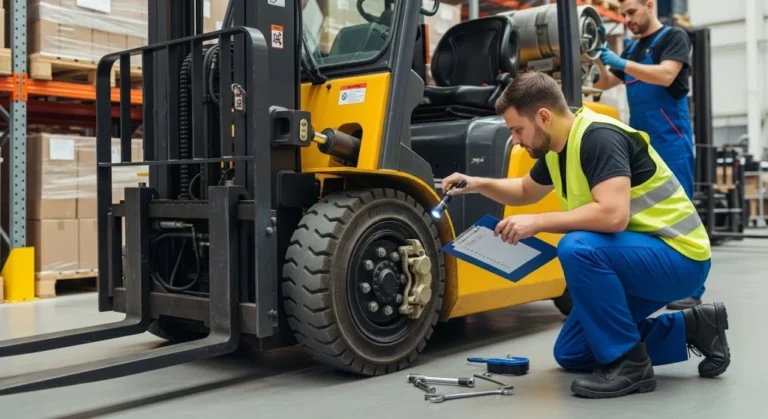
In industrial environments, forklifts are used continuously for heavy-duty tasks, often operating for long hours under stressful conditions. According to maintenance guidelines, regular servicing includes checking critical systems such as brakes, hydraulics, engines, tires, and electrical components to ensure everything is functioning correctly and safely. This proactive approach helps reduce unexpected failures and keeps operations running smoothly.
A proper service program ensures that every part of the forklift is inspected and adjusted according to manufacturer recommendations. This includes lubrication of moving components, replacement of worn-out parts, and testing of safety systems. Businesses that follow structured service schedules benefit from improved equipment performance and reduced long-term repair costs.
Importance of Regular Maintenance in Forklift Operations
Regular servicing is essential because forklifts operate in challenging environments where wear and tear is unavoidable. Continuous lifting of heavy loads, constant movement, and exposure to dust, heat, and industrial conditions put significant stress on the machine. Without maintenance, these factors can quickly reduce efficiency and increase the risk of breakdowns.
One of the main benefits of routine service is improved safety. Forklifts are powerful machines, and any malfunction in braking systems, steering mechanisms, or hydraulic controls can lead to serious workplace accidents. Proper servicing ensures that all safety components are functioning correctly, reducing risks for operators and surrounding workers.
Another important benefit is cost savings. Preventive maintenance helps identify small issues before they turn into expensive repairs. For example, replacing a worn hydraulic hose early is far more affordable than repairing a complete hydraulic system failure later. Studies in industrial maintenance show that businesses that invest in regular servicing experience lower long-term operational costs and fewer emergency breakdowns.Efficiency is also significantly improved through proper maintenance. A well-serviced forklift operates more smoothly, consumes less fuel or battery power, and completes tasks faster. This leads to better productivity in warehouses and industrial facilities where time and accuracy are critical.
Types of Forklift Service and Maintenance Activities
Forklift service generally includes several types of maintenance activities, each designed to address specific aspects of machine performance. These services are usually scheduled based on operating hours or usage intensity.One of the most common types is routine inspection service, which involves checking basic components such as lights, tires, fluid levels, and safety features. This type of service is often performed to ensure daily operational safety.
Preventive maintenance is another important category. It involves scheduled servicing based on time intervals or usage hours. During preventive maintenance, technicians inspect deeper systems such as engines, hydraulic systems, transmissions, and braking mechanisms. The aim is to prevent breakdowns before they occur by replacing or repairing worn parts in advance.
Corrective maintenance, on the other hand, is performed when a problem has already occurred. This includes repairing broken components or restoring equipment functionality after a failure. While necessary, corrective maintenance is generally more expensive and disruptive compared to preventive care.Many industrial service providers offer comprehensive maintenance programs that combine all these approaches. Such programs ensure that forklifts remain in optimal condition throughout their operational life.
Common Issues That Require Forklift Service
Forklifts are complex machines with multiple systems working together. Over time, various issues can develop due to continuous usage and environmental exposure. One of the most common problems is hydraulic system failure, which affects lifting capability and load control. Leaks, pressure loss, or damaged cylinders can significantly impact performance.Brake issues are another frequent concern. Worn brake pads or faulty braking systems can compromise safety and require immediate attention. Tire wear is also common, especially in warehouses where forklifts operate on rough or uneven surfaces. Damaged tires reduce stability and increase the risk of accidents.
Electrical problems can also occur, particularly in battery-operated forklifts. Faulty wiring, weak batteries, or malfunctioning sensors can disrupt operations. Engine-related issues such as overheating, oil leaks, or poor fuel efficiency are also common in internal combustion forklifts.According to maintenance observations, warning signs such as unusual noises, slow performance, fluid leaks, and steering difficulties indicate that a forklift requires immediate servicing. Ignoring these signs can lead to more serious mechanical failures and costly downtime.
How Professional Forklift Service Improves Business Operations
Professional forklift service plays a crucial role in ensuring smooth industrial operations. Trained technicians have the expertise to diagnose issues accurately and perform necessary repairs using proper tools and techniques. This ensures that equipment is restored to optimal working condition efficiently.
One of the biggest advantages of professional servicing is reduced downtime. When forklifts break down unexpectedly, entire operations can be disrupted, leading to delays in production or delivery schedules. Regular service helps minimize such risks by keeping equipment in reliable condition.
Professional servicing also ensures compliance with safety regulations. Industrial workplaces are required to maintain equipment according to specific safety standards. Regular inspections and documented maintenance records help businesses meet these legal requirements while protecting workers.Additionally, professional service providers use high-quality replacement components, which improve durability and performance. Proper installation and calibration ensure that forklifts continue operating efficiently even under heavy workloads.
Preventive Maintenance and Its Long-Term Benefits
Preventive maintenance is one of the most effective strategies for managing forklift performance. Instead of waiting for equipment failure, businesses schedule regular inspections and servicing to maintain optimal condition. This approach significantly reduces the risk of unexpected breakdowns.
Industry studies show that preventive maintenance includes tasks such as oil changes, filter replacements, lubrication, and safety inspections performed at specific operating hour intervals . These routine actions help extend equipment lifespan and improve overall reliability.The long-term benefits of preventive servicing include lower repair costs, improved equipment longevity, better fuel efficiency, and enhanced workplace safety. Businesses that follow preventive maintenance schedules often experience fewer operational interruptions and higher productivity levels.
Conclusion
Forklift service is an essential part of maintaining efficient and safe industrial operations. It ensures that equipment remains reliable, productive, and safe throughout its operational life. From routine inspections to preventive maintenance and corrective repairs, every aspect of servicing contributes to better performance and reduced operational risks.
In modern industrial environments where efficiency and safety are top priorities, regular forklift servicing is not optional, it is a necessity. Businesses that invest in proper maintenance practices benefit from improved productivity, reduced downtime, and lower long-term costs. Ultimately, consistent servicing ensures that forklifts continue to perform at their best, supporting smooth workflow across warehouses, construction sites, and manufacturing facilities.
