


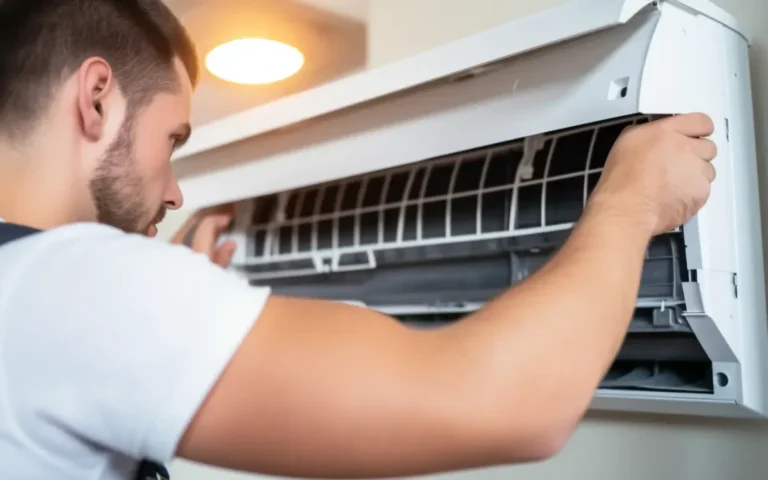
Modern homes and commercial spaces rely heavily on cooling systems to maintain a comfortable indoor environment throughout the year. Whether it is a residential property, office building, shopping center, or industrial workspace, an efficient cooling system contributes significantly to productivity, comfort, and overall well-being. Many people often overlook the importance of regular maintenance until their unit suddenly stops functioning during a period of extreme heat. However, maintaining a cooling system is not only about comfort; it also affects energy efficiency, indoor air quality, operational costs, and the lifespan of the equipment itself.
A properly functioning cooling system is a complex combination of mechanical and electrical components that work together to regulate indoor temperatures. Compressors, coils, refrigerant lines, thermostats, motors, fans, and air filters all play important roles in ensuring the system performs efficiently. When one part begins to fail, the entire unit may struggle to maintain proper cooling. This is why timely inspections and professional servicing are essential for avoiding larger and more expensive problems in the future.
One of the biggest mistakes homeowners make is ignoring small warning signs. Weak airflow, unusual noises, inconsistent temperatures, or rising electricity bills are often indicators that something is wrong within the system. Delaying professional attention can transform a minor issue into a major mechanical failure that requires costly replacement parts or even a complete system upgrade. Investing in regular maintenance and professional air conditioning repair can help property owners avoid unnecessary stress, expensive breakdowns, and long-term damage to their cooling equipment.
Understanding How Cooling Systems Function
To fully appreciate the importance of maintenance and repairs, it is helpful to understand how a cooling system actually works. The process begins when warm air from inside the property is drawn into the system through return vents. This warm air then passes over evaporator coils filled with refrigerant. The refrigerant absorbs heat from the air, cooling it before the conditioned air is redistributed throughout the property through ducts and vents.
Meanwhile, the absorbed heat is carried outside by the refrigerant and released through the outdoor condenser unit. This continuous cycle allows the system to maintain a stable and comfortable indoor temperature. Every component involved in this process must function correctly to achieve optimal performance. If airflow becomes restricted or refrigerant levels drop, the entire system becomes less efficient and more prone to damage.
Modern cooling systems have become increasingly advanced with the introduction of smart thermostats, variable-speed compressors, zoning systems, and energy-efficient technologies. While these innovations improve comfort and reduce energy consumption, they also require professional knowledge and expertise for proper maintenance and repair. Attempting to handle complicated technical issues without proper training can often create additional problems and safety risks.
Common Signs That Indicate System Problems
Many people continue using their cooling systems despite obvious warning signs that indicate underlying problems. Recognizing these symptoms early can prevent more severe mechanical failures and reduce repair costs. One of the most noticeable signs is poor airflow. If certain rooms remain warmer than others or the airflow from vents feels weak, there may be issues with the blower motor, clogged filters, ductwork, or internal components. In situations like these, scheduling an AC repair Rome GA early can help address small issues before they turn into major system failures.
Another common problem is inconsistent cooling. A healthy cooling system should maintain a stable temperature throughout the property. Frequent cycling, uneven temperatures, or difficulty reaching the desired thermostat setting may point to refrigerant leaks, sensor issues, or compressor malfunctions. Strange sounds such as grinding, squealing, rattling, or banging should never be ignored because they often indicate loose or damaged components within the system.
Unpleasant odors can also signal serious concerns. A musty smell may indicate mold growth within the ducts or evaporator coils, while burning odors could suggest electrical problems that require immediate attention. Water leakage around the indoor unit is another issue that property owners should address quickly because it may result from clogged drain lines, frozen coils, or damaged drainage systems.
In many cases, rising energy bills provide the clearest indication that a cooling system is struggling to operate efficiently. When components are dirty or malfunctioning, the system works harder to maintain indoor comfort, leading to increased electricity consumption. Professional inspections help identify these inefficiencies before they lead to major expenses or complete equipment failure.
The Importance of Preventive Maintenance
Preventive maintenance plays a crucial role in extending the lifespan of cooling systems and reducing the likelihood of unexpected breakdowns. Regular inspections allow technicians to identify worn components, airflow restrictions, refrigerant issues, and electrical problems before they escalate into severe mechanical failures.
During a maintenance visit, professionals typically inspect electrical connections, clean condenser and evaporator coils, test thermostat performance, replace or clean filters, measure refrigerant levels, and evaluate overall system efficiency. Although these procedures may appear simple, they are essential for preserving the health and reliability of the equipment.
Dirty filters are one of the most common causes of reduced efficiency. When airflow becomes restricted, the system must work harder to circulate cooled air throughout the property. This additional strain increases wear on motors, compressors, and fans. Similarly, dirty coils reduce heat transfer efficiency, forcing the system to consume more energy while delivering weaker cooling performance.
Routine servicing also contributes to healthier indoor air quality. Dust, pollen, pet dander, mold spores, and other airborne contaminants often accumulate within ducts and filters over time. Without regular cleaning and maintenance, these particles continue circulating throughout the indoor environment, potentially affecting respiratory health and overall comfort.
Homeowners who prioritize preventive care often enjoy lower utility bills, fewer emergency repairs, and longer equipment life. Instead of waiting for a catastrophic breakdown, they can address minor concerns early and avoid unnecessary inconvenience during periods of heavy system usage.
Why Professional Expertise Is Essential
Many property owners attempt to solve cooling system problems on their own in an effort to save money. While basic maintenance tasks such as replacing filters or clearing debris around outdoor units can be handled safely, more complicated repairs should always be left to certified professionals. Cooling systems involve electrical components, pressurized refrigerants, and sensitive mechanical systems that require specialized training and tools.
Improper repairs can lead to electrical hazards, refrigerant leaks, reduced efficiency, or even permanent equipment damage. Certified technicians possess the expertise needed to diagnose issues accurately and implement effective solutions. They understand how various components interact within the system and can identify hidden problems that may not be immediately visible.
Professional service providers also remain updated on industry standards, environmental regulations, and evolving technologies. Their training allows them to work safely while ensuring repairs meet manufacturer specifications and warranty requirements. In many cases, attempting unauthorized repairs can void equipment warranties and create additional financial risks for property owners.
Reliable contractors also provide warranties on replacement parts and labor, offering customers peace of mind regarding the quality of the service performed. Choosing experienced professionals ensures that repairs are completed correctly the first time, reducing the likelihood of recurring issues and unnecessary expenses.
Energy Efficiency and Reduced Operating Costs
Energy efficiency has become one of the most important concerns for modern homeowners and businesses. Cooling systems account for a significant portion of electricity usage, especially during warmer months when units operate continuously for extended periods. Improving efficiency not only lowers utility bills but also reduces environmental impact and supports sustainable energy practices.
Simple steps such as replacing filters regularly, sealing duct leaks, and keeping outdoor condenser units free from debris can improve overall system performance. Programmable and smart thermostats also help regulate energy usage by adjusting temperatures automatically based on occupancy and daily schedules.
Older systems often consume significantly more energy than modern high-efficiency models. Upgrading outdated equipment can result in noticeable savings over time, particularly when combined with proper insulation and regular maintenance. Although replacing a system requires an initial investment, the long-term reduction in operating costs frequently offsets the expense.
Delaying air conditioning repair often leads to higher electricity consumption because malfunctioning systems must work harder to achieve the same level of cooling. Addressing problems promptly helps restore efficiency, reduce energy waste, and prevent further damage to internal components.
Property owners should also understand that energy efficiency contributes to environmental responsibility. Efficient systems consume fewer natural resources and generate lower greenhouse gas emissions, making proper maintenance beneficial for both financial and environmental reasons.
Indoor Comfort and Healthy Air Quality
Indoor comfort involves much more than simply lowering the temperature inside a building. Humidity control, ventilation, and air cleanliness all play important roles in creating a healthy and pleasant indoor environment. A properly functioning cooling system helps regulate humidity levels, preventing excessive moisture that can encourage mold growth and discomfort.
Poor indoor air quality has become a growing concern in residential and commercial spaces alike. Dust particles, allergens, bacteria, pet hair, and mold spores can circulate through duct systems if filters and components are not maintained correctly. Professional cleaning and maintenance help minimize these contaminants and improve the overall quality of indoor air.
Balanced airflow is another critical factor in maintaining comfort. Blocked vents, damaged ducts, or malfunctioning fans can create uneven temperatures throughout the property, leaving certain rooms too warm or too cold. Properly maintained systems distribute conditioned air more evenly, creating a consistent and comfortable environment.
Businesses particularly benefit from efficient cooling systems because employee productivity and customer satisfaction are closely linked to indoor comfort. An uncomfortable workspace can reduce concentration, increase frustration, and negatively affect overall performance. Maintaining a stable indoor climate supports healthier, more productive environments for both employees and visitors.
Extending Equipment Lifespan Through Proper Care
Cooling systems represent a substantial financial investment, making long-term reliability an important priority for property owners. Most systems can operate efficiently for many years when maintained properly, but neglect and poor maintenance significantly reduce their lifespan.
One of the leading causes of premature system failure is excessive strain caused by dirty filters, blocked coils, and neglected mechanical components. When the system must work harder than necessary, motors, compressors, and electrical parts experience increased wear and tear. Over time, this stress shortens the operational life of the equipment and increases the likelihood of costly failures.
Regular inspections allow technicians to replace worn components before they fail completely. Small preventive repairs are often far less expensive than major emergency replacements. Lubricating moving parts, tightening electrical connections, cleaning internal systems, and monitoring refrigerant levels all contribute to improved durability and performance.
Environmental conditions also influence system longevity. Outdoor condenser units exposed to dirt, leaves, extreme temperatures, and poor airflow may experience accelerated wear if not cleaned and maintained regularly. Keeping the surrounding area clear and scheduling routine inspections can significantly improve equipment lifespan.
Property owners should also avoid constantly changing thermostat settings because frequent cycling places additional strain on compressors and motors. Maintaining steady temperatures through programmable settings promotes more efficient operation and reduces mechanical stress.
Preparing Cooling Systems for Seasonal Demands
Seasonal preparation is essential for ensuring reliable cooling performance during periods of heavy use. Many systems fail during the hottest months because underlying issues remain unnoticed until the equipment is placed under maximum demand. Scheduling professional inspections before peak summer conditions allows technicians to identify and address potential problems early.
Spring maintenance visits often include cleaning coils, testing refrigerant pressure, checking electrical systems, replacing filters, and evaluating airflow performance. Completing these inspections before temperatures rise helps ensure the system is fully prepared for continuous operation.
Property owners can also take simple steps to support seasonal readiness. Clearing debris around outdoor units, checking thermostat batteries, replacing filters, and ensuring vents remain unobstructed all contribute to improved system efficiency. However, professional inspections remain the most effective way to identify hidden concerns and maintain long-term reliability.
Unexpected system failures during periods of extreme heat can create significant stress and discomfort. Emergency repairs are often more expensive and may involve longer wait times due to increased service demand. Preventive maintenance helps minimize these risks while ensuring consistent indoor comfort throughout the season.
Choosing the Right HVAC Service Provider
Selecting a qualified HVAC contractor is one of the most important decisions a property owner can make. Not all service providers offer the same level of expertise, professionalism, or customer support. Taking the time to research contractors carefully helps ensure higher-quality service and better long-term results.
Experience is a critical factor when evaluating potential contractors. Established professionals typically possess broader knowledge of different cooling systems, repair techniques, and installation procedures. Certifications, licensing, and ongoing technical training also demonstrate commitment to industry standards and professional excellence.
Customer reviews and testimonials provide valuable insight into reliability and service quality. Companies with strong reputations for punctuality, communication, and workmanship are more likely to deliver satisfactory results. Transparent pricing and detailed explanations of recommended repairs also indicate trustworthy business practices.
Emergency availability is another important consideration because cooling system failures often occur outside normal business hours. Companies that offer responsive support and flexible scheduling provide added peace of mind during urgent situations.
Property owners should avoid selecting contractors solely based on the lowest price. Inexperienced providers may perform incomplete repairs or use low-quality replacement parts, leading to recurring problems and additional expenses. Investing in professional expertise ultimately delivers greater value, reliability, and long-term satisfaction.
The Long-Term Benefits of Responsible System Maintenance
Maintaining a cooling system is not simply about preventing inconvenience. It is a practical investment in comfort, efficiency, financial savings, and overall quality of life. Well-maintained systems operate more reliably, consume less energy, and provide healthier indoor environments throughout the year.Property owners who schedule regular inspections and address issues promptly often experience fewer emergency breakdowns and lower long-term repair costs. They also enjoy greater confidence knowing their systems are operating safely and efficiently during periods of heavy demand.
Professional air conditioning repair services play a vital role in preserving equipment performance and preventing avoidable damage. Whether resolving minor inefficiencies or repairing major mechanical failures, experienced technicians help restore comfort and improve system reliability. Ignoring warning signs or delaying service rarely saves money in the long run because small issues typically become more severe over time.
Modern cooling systems are essential components of comfortable living and productive working environments. Through preventive maintenance, professional expertise, and responsible energy management, homeowners and businesses can maximize efficiency, extend equipment lifespan, and maintain healthier indoor conditions for many years. Investing in timely care and dependable air conditioning repair ensures that cooling systems continue to deliver reliable performance while minimizing costly disruptions and unnecessary stress.
Ultimately, regular maintenance and professional servicing should never be viewed as optional expenses. They are valuable investments that protect comfort, improve efficiency, and support long-term financial savings. With proper attention and expert care, modern cooling systems can continue providing dependable performance, cleaner indoor air, and consistent comfort throughout every season.
