


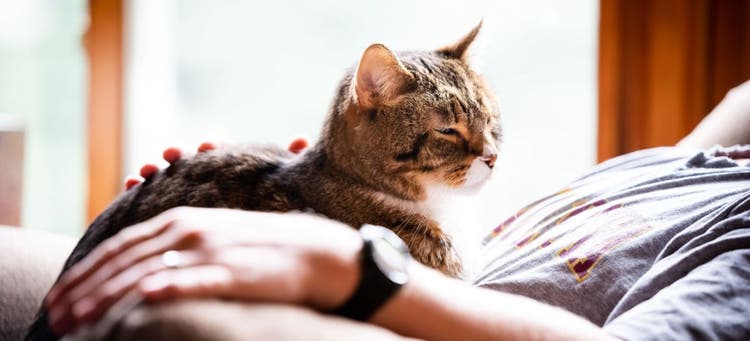
There is a particular kind of companionship that only an older cat can offer. Settled, knowing, and unhurried, senior cats bring a depth of presence to a home that is quietly distinct from the energy of kittens or young adults. As the veterinary industry expands its understanding of feline ageing and develops better tools to support it, senior cat ownership is becoming a more rewarding, better-supported experience than at any previous point in history.
When Does a Cat Become Senior?
Cats are generally considered senior from around ten years of age, though individual variation is significant. With improvements in nutrition, veterinary care, and indoor living conditions, cats routinely live into their late teens and beyond. The American Association of Feline Practitioners recommends veterinary visits every six months for cats aged ten to fifteen, and every four months for cats over fifteen — a cadence that reflects the accelerated rate of physiological change in older animals and the value of catching issues early.
The Health Landscape of the Older Cat
Senior cats are more susceptible to a specific cluster of conditions: chronic kidney disease, hyperthyroidism, dental disease, arthritis, diabetes, and cognitive dysfunction syndrome. Many of these conditions develop gradually and subtly, reinforcing the importance of regular veterinary monitoring. Weight loss — rather than the weight gain more common in senior dogs — is one of the most consistent warning signs in ageing cats and warrants prompt veterinary attention.
Parasite prevention remains important throughout a cat’s senior years. Older cats may have reduced immune function, making them more vulnerable to the effects of parasitic infection. Products like Neovet Cat provide ongoing protection that supports a senior cat’s health without adding to their physical burden.
Adapting the Home Environment
Physical changes in older cats — reduced joint mobility, declining vision, and slower reflexes — call for thoughtful modifications to the living environment. Lower-sided litter trays make it easier for cats with arthritic hips to access the litter box. Ramps or steps provide routes to favourite elevated resting spots without jumping. Soft, warm bedding supports joints and encourages restful sleep. Maintaining a consistent daily routine reduces the anxiety that can accompany cognitive decline.
Nutrition for the Senior Cat
Senior-specific diets are formulated to address the nutritional needs of older cats — typically featuring highly digestible proteins to support muscle mass, adjusted phosphorus levels to protect kidney function, and added antioxidants to support immune and cognitive health. The ASPCA recommends that the primary objectives of feeding an older cat are to maintain a healthy body weight, slow the progression of chronic disease, and minimise clinical signs of conditions that are already present.
Why Senior Cats Make Remarkable Companions
The emotional dimension of senior cat ownership is one of its most underappreciated aspects. Older cats tend to be calmer, more settled, and more openly affectionate than their younger counterparts. The bond that develops between an owner and a cat that has shared years of life together carries a particular weight. For those considering adoption, senior cats in shelters are among the most overlooked and most deserving animals available.
As the American Veterinary Medical Association notes, age is not a disease — and with the right care, senior cats can live happy, healthy, and active lives well into their golden years. The industry’s growing investment in feline geriatric medicine means the tools to support feline geriatric patients’ lives have never been better.
