


Introduction
Diamond buying is not only a question of sparkle. Many shoppers also think about origin, meaning, rarity, and the story behind the stone. A ring can look beautiful on the hand, but for some buyers, the emotional value grows when they know the diamond was formed naturally deep within the Earth over immense periods of time. That origin becomes part of the jewelry’s identity, not just a technical detail hidden behind the display lights.
Naturally formed diamonds appeal to buyers who value geological history, traditional symbolism, and the sense that the stone was shaped by nature rather than produced through a controlled modern process. This preference does not remove the importance of design, quality, or craftsmanship. Instead, it adds another layer to the decision. Buyers want a ring that looks beautiful, wears well, and carries a story they feel proud to preserve.
Natural Origin Adds Emotional Depth
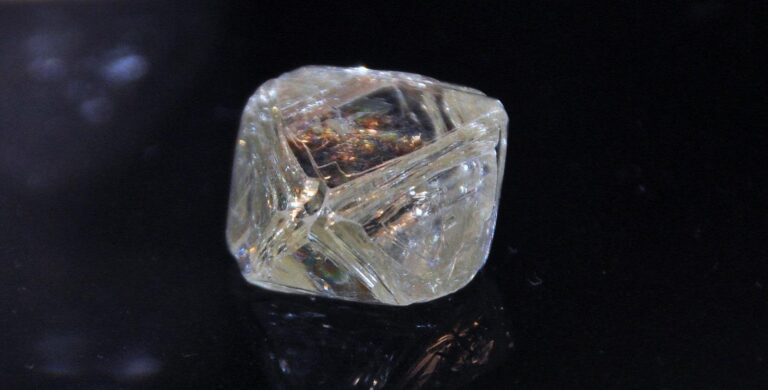
For many buyers, the origin of a diamond influences how the ring feels. A naturally formed diamond begins far below the Earth’s surface, where carbon is transformed by pressure, heat, and time. That process can create a sense of permanence and wonder. When a diamond is chosen for an engagement ring or another major milestone, this natural history can feel connected to the importance of the occasion.
The emotional appeal is not only scientific. It is symbolic. A stone formed over vast periods may feel appropriate for jewelry meant to represent lasting commitment. Buyers may see the diamond’s origin as part of a larger story about endurance, rarity, and beauty shaped slowly rather than quickly. It gives the ring a kind of geological heartbeat.
Rarity Still Matters to Many Shoppers
Naturally formed diamonds are often valued because they depend on specific geological conditions. Not every source of carbon becomes diamond, and not every diamond becomes suitable for fine jewelry. This sense of rarity can influence how buyers understand the stone’s value and emotional significance. For some, rarity makes the ring feel more special because the diamond cannot simply be created by choosing a production schedule.
Still, rarity alone is not enough. A naturally formed diamond should also be evaluated for cut, color, clarity, carat weight, certification, and visual performance. A natural origin may add meaning, but quality determines how beautifully the stone appears in the finished ring. The strongest purchase decisions consider both the story and the sparkle, because one without the other can feel incomplete.
Tradition Influences Ring Preferences
Engagement rings and diamond jewelry are closely tied to tradition. Many buyers grew up seeing natural diamonds associated with proposals, anniversaries, family heirlooms, and milestone celebrations. That cultural familiarity can influence preference. A naturally formed diamond may feel like part of a long jewelry tradition, especially for buyers who want their ring to connect with established symbols of love and commitment.
Tradition does not require an old-fashioned design. Naturally formed diamonds can appear in modern solitaires, oval settings, vintage-inspired rings, hidden halos, three-stone designs, or minimal bands. The origin may feel traditional while the final style remains completely personal. That mix of history and individual expression is one reason these diamonds continue to attract buyers.
Which Ring Styles Appeal to Buyers Seeking Naturally Formed Diamonds?
Many jewelry buyers consider a diamond’s origin to be an important part of the overall purchase decision. While appearance, craftsmanship, and design remain essential factors, some consumers place additional value on gemstones created through natural geological processes. These buyers often view natural formation as part of the diamond’s story and consider that history when evaluating jewelry options. As a result, diamond origin can become a meaningful factor alongside quality, symbolism, and long-term ownership goals. Consumers interested in jewelry featuring naturally formed gemstones frequently research natural diamond rings to explore ring options that align with these preferences.
The appeal of naturally formed diamonds is often linked to their geological development over extended periods of time. For some buyers, this natural history contributes to the perceived significance of the stone and enhances the emotional value of the jewelry. Ring selection, however, remains a multifaceted decision that also involves setting design, craftsmanship, wearability, and personal style considerations. Understanding how diamond origin interacts with these factors helps consumers evaluate rings more comprehensively. Rather than focusing exclusively on a single characteristic, buyers can assess how symbolism, aesthetics, and practical ownership needs work together within the final piece. When a ring reflects both personal priorities and design preferences, it is more likely to provide lasting satisfaction and remain meaningful throughout years of ownership and daily wear.
Design Should Match the Stone’s Story
When buyers choose a naturally formed diamond, the ring design should help express the importance of the stone. A solitaire setting can place full attention on the center diamond. A three-stone design can add symbolic depth. A halo can increase visual presence, while a bezel can provide a clean and protective look. Each setting changes how the natural diamond is presented and how the ring feels on the hand.
Metal choice also affects the final impression. Platinum and white gold can make the diamond appear bright and classic. Yellow gold can add warmth and tradition. Rose gold can create a softer, romantic feeling. Buyers should think about how the setting, metal, and diamond origin work together. A ring feels more complete when every design decision supports the same emotional direction.
Permanent Jewelry Trends Highlight Lasting Meaning
Many jewelry buyers are drawn to pieces that feel lasting, personal, and closely connected to daily life. This is visible not only in engagement rings but also in broader jewelry trends. Permanent jewelry, for example, appeals to people who want accessories that symbolize continuity and commitment. The idea behind it reflects a similar desire: jewelry should feel meaningful enough to stay close.
Buyers exploring lasting jewelry concepts may find value in reading about what to know before getting permanent jewellery, because it highlights how comfort, lifestyle, symbolism, and long-term wear all affect jewelry decisions. Naturally formed diamond rings follow the same principle. They are chosen not only for how they look now, but for how they will feel over many years of ownership.
Diamond Origin Fits Into a Larger Market Story
Diamonds also carry economic and cultural importance. They are traded globally, used in fine jewelry, and connected to industries that involve mining, grading, cutting, retail, and design. Understanding this broader context can help buyers see why diamond origin remains part of the conversation. A ring is personal, but the stone also belongs to a much larger history of discovery, commerce, and craftsmanship.
Resources such as the U.S. Census Bureau’s commodity spotlight on diamonds show how diamonds have long played a notable role in trade and consumer markets. For buyers, this wider background can make the choice feel more informed. A naturally formed diamond is not only a gemstone. It is part of a global story that moves from geology to jewelry, from rough crystal to polished symbol.
Dedicated Brand Section: Why Expert Guidance Matters
Choosing a naturally formed diamond ring can involve many layers of decision-making. Buyers may care about geological origin, but they still need to compare diamond shapes, grading details, setting styles, metals, sizing, and craftsmanship. Professional guidance helps bring these details together so the final ring feels beautiful, meaningful, and practical for long-term wear.
A knowledgeable jewelry specialist can explain how natural diamonds differ in appearance and quality, how settings affect durability, and how design choices influence comfort. This support is especially important for engagement rings and milestone jewelry because the piece is expected to carry emotional value for years. Good guidance helps buyers avoid choosing from excitement alone and instead make a decision that feels steady, informed, and personal.
Personal Values Should Shape the Final Choice
Preference for naturally formed diamonds is personal. Some buyers feel drawn to their geological history and traditional symbolism. Others may focus more on budget, design, or alternative diamond options. The best ring choice is the one that reflects the buyer’s values and the wearer’s expectations. There is no single answer that fits every couple or every occasion.
A ring becomes more satisfying when the buyer understands why each decision matters. If natural origin is important, it should be honored. If daily comfort is important, the setting should support it. If style matters most, the design should feel authentic to the wearer. The final piece should bring together meaning, beauty, and practicality without forcing one to swallow the others.
Conclusion
Many buyers prefer naturally formed diamonds because origin adds meaning, rarity, tradition, and a sense of connection to the natural world. For engagement rings and other milestone jewelry, that story can deepen the emotional value of the piece and make the purchase feel more significant.
Still, diamond origin should be considered alongside craftsmanship, design, comfort, quality, and personal style. A naturally formed diamond ring is most successful when the stone’s story and the finished design work together. When buyers choose with both heart and judgment, the result is jewelry that remains meaningful, wearable, and treasured for years.
