


Most people tend to think hearing checks are only necessary when something feels wrong—like when conversations start sounding unclear or the TV volume keeps creeping higher. But hearing changes often happen so gradually that you don’t notice them until they’ve already started affecting daily life. That’s exactly why regular hearing check ups matter, even when everything seems fine.
Hearing is something we rely on constantly, from casual conversations with family to important instructions at work. When it starts to decline slowly, the brain often adapts by filling in gaps, which can make the issue feel invisible at first. Regular check ups help catch those subtle changes early, before they become harder to manage.
Hearing loss doesn’t usually start with obvious signs
One of the biggest misunderstandings about hearing loss is that it happens suddenly or noticeably. In reality, most cases develop gradually over months or even years. You might not “notice” it in a dramatic way at all.
For example, someone working in a busy environment like construction or manufacturing may slowly get used to missing parts of conversations over machinery noise. They might assume people are just “not speaking clearly” rather than realizing their hearing has shifted. In office settings, it could show up as struggling to follow group meetings, especially when multiple people speak at once.
Even at home, the signs can be subtle. You might find yourself asking people to repeat themselves more often, or misunderstanding small details in conversations. Many people brush this off as distraction or fatigue, but it can be an early indicator of hearing changes.
The challenge is that the brain is very adaptable. It learns to compensate, which is helpful in the short term but can delay recognition of the problem. By the time hearing loss becomes obvious, it may already be affecting communication, relationships, and even confidence.
Everyday life depends on hearing more than we realize
Hearing is deeply connected to how we move through daily life. It’s not just about listening to conversations—it’s about safety, productivity, and emotional well-being.
Think about driving. We rely on hearing indicators like horns, sirens, or even unusual sounds from the car itself. In industries such as transportation or logistics, missing these cues can create safety risks. In healthcare settings, clear communication between staff is critical, and even small misunderstandings can lead to mistakes.
In social situations, hearing also plays a huge role in connection. When it becomes difficult to follow group conversations in restaurants or gatherings, people often start withdrawing without realizing why. They may avoid noisy environments because it feels exhausting trying to keep up. Over time, this can lead to isolation.
Even entertainment is affected. Music, television, podcasts—these are all part of daily enjoyment. When clarity drops, people often increase volume, which may seem harmless but can sometimes worsen hearing strain over time.
Regular hearing checks help ensure that these small changes are identified early, so adjustments can be made before they impact quality of life.
Early detection makes solutions simpler and more effective
One of the strongest reasons for routine hearing check ups is that early detection makes everything easier. When hearing changes are identified early, there are more options available and better long-term outcomes.
For instance, early-stage hearing loss might only require minor adjustments, such as hearing protection strategies, lifestyle changes, or simple hearing devices. When left unchecked for years, the brain becomes less accustomed to certain sounds, making adaptation more difficult later on.
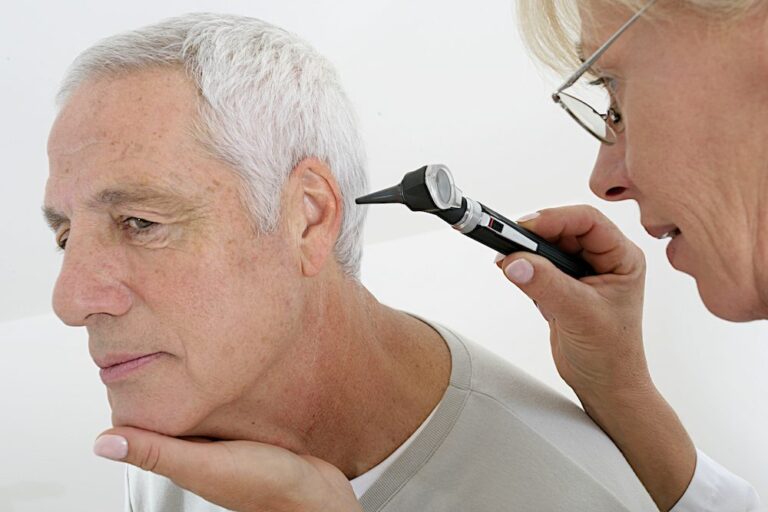
A hearing check is not complicated. It usually involves listening tests in a quiet environment and sometimes a physical examination of the ear canal. The results give a clear picture of how well different sound frequencies are being detected.
This is where access to experienced professionals becomes important. Getting guidance from hearing specialists in Auburn can help individuals understand their results in a practical way, not just as numbers on a chart. They can explain what those changes mean in everyday situations, like following conversations at work or hearing clearly in crowded spaces.
Industries that rely on precision communication, such as aviation, education, or customer service, especially benefit from early monitoring. Even a slight change in hearing can affect performance, stress levels, and efficiency. Regular check ups act like a safety net, making sure small issues don’t become bigger problems later.
Hearing health is closely linked to overall well-being
Hearing is not an isolated sense—it connects closely with brain health, emotional balance, and cognitive function. Research has shown that untreated hearing loss can increase mental fatigue because the brain has to work harder to interpret sounds.
For example, someone constantly straining to follow conversations in meetings may feel more tired at the end of the day compared to others in the same environment. This mental effort can add up over time, affecting concentration and productivity.
There is also an emotional side. Difficulty hearing can sometimes lead to frustration or embarrassment, especially when people misinterpret responses or need frequent repetition. In social environments, this may slowly reduce participation in conversations.
In older adults, maintaining regular hearing checks is particularly important because hearing health is linked with cognitive engagement. Staying connected through clear communication supports memory and mental activity.
Even in younger people, exposure to loud music, headphones, or noisy workplaces can gradually impact hearing without immediate symptoms. Regular check ups provide reassurance and help build awareness around safe listening habits.
Ultimately, hearing care is not just about fixing a problem—it’s about maintaining overall quality of life.
A simple habit that protects long-term communication
One of the most valuable things about hearing check ups is how simple they are compared to the benefits they provide. They don’t take long, they are not painful, and they offer insight into something many people overlook until it becomes an issue.
Think of it like dental check ups or eye exams. You don’t wait for pain or serious vision problems before going—you go to prevent them. Hearing health works the same way.
By making hearing checks a regular habit, you give yourself the best chance of staying connected, confident, and aware in everyday life. Whether it’s at work, at home, or in social settings, clear hearing supports smoother communication and reduces unnecessary strain.
In the end, protecting hearing early is far easier than trying to restore clarity later. Regular check ups ensure that you stay in control of your hearing health, rather than reacting to problems after they appear.
