


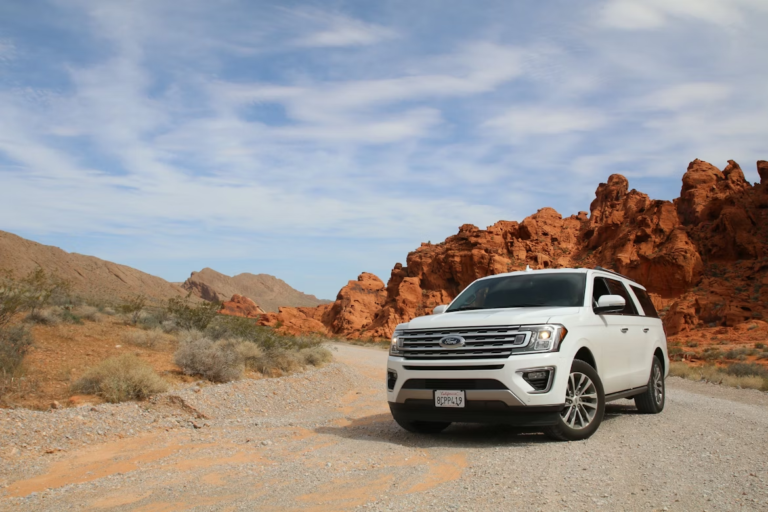
Most people choose a rental car the same way they choose a seat on a flight: quickly, with one eye on the price, and without giving the decision much respect. That usually works well enough until the trip begins. Then the problems start to show. The trunk will not close over the luggage. The back seat feels cramped after an hour. Fuel stops cost more than expected. Parking becomes a chore. A car that looked fine on a booking page starts to feel wrong in all the ways that matter.
That is why choosing the right rental car deserves more thought than it usually gets. The best option is not always the cheapest one, and it is definitely not always the biggest. A rental car should fit the trip you are actually taking: the number of people in the vehicle, the amount of luggage, the length of the drive, the roads you expect to use, and the kind of places where you will need to park. Once those factors are clear, the choice becomes less about guesswork and more about function.
A good rental car disappears into the background. It lets the trip run smoothly. A bad one keeps reminding you that you made the wrong call.
Why Many Renters Choose the Wrong Vehicle Class
Rental mistakes usually begin before the keys are ever handed over. Some travelers book the cheapest class on instinct, assuming they can tolerate a little discomfort for a few days. Others do the opposite and choose something larger than necessary to avoid feeling squeezed. Both approaches can backfire.
The smallest class can become a problem very quickly if the journey involves long distances, multiple passengers, or more luggage than expected. A car that feels acceptable for a short city errand can become tiring on a highway drive. At the same time, a larger vehicle may look like the safer choice, but extra size comes with real costs. Fuel use goes up. Parking gets harder. Visibility changes. In some places, a larger vehicle makes the whole experience more awkward than it needs to be.
Another reason renters choose poorly is that the categories themselves are easy to misunderstand. A compact car may technically seat five, but that does not mean five adults will be comfortable over several hours. An SUV may sound practical, yet some models offer less useful cargo space than a mid-size sedan with a well-designed trunk. People often assume that class names tell the whole story. They do not.
The smarter approach is to stop thinking in labels and start thinking in use. What does the car need to do well for this trip? Once that question is answered honestly, the wrong options start to eliminate themselves.
Why Size Matters More Than People Think
Vehicle size shapes almost every part of the rental experience. It affects how easy the car is to load, how much effort the driver spends in traffic, how comfortable passengers remain over time, and how stressful the car feels when streets get tight or parking spaces get narrow.
Passengers notice size first through comfort. A vehicle may have enough seat belts for everyone, but that is not the same as having enough room for a relaxed drive. Legroom matters. Shoulder room matters. The ability to get in and out easily matters, especially with older travelers, young children, or repeated stops.
Luggage is where size often becomes the deciding factor. People routinely underestimate how much space bags actually take up, particularly when they are using hard-shell suitcases, sports gear, or bulky extras such as strollers. It does not take much for a car that seemed spacious in theory to become cramped in practice.
Size also affects the feel of the drive. A smaller car can be a pleasure in cities where quick turns, short gaps, and compact parking spaces are part of the day. A larger one may feel calmer on open roads, especially when the cabin is full. Neither is automatically better. What matters is whether the vehicle’s size matches the setting.
Why Efficiency Changes the Real Cost of the Trip
The daily rental rate is only one line in the total cost of travel. Fuel often becomes the expense that changes the equation, especially on longer routes. A car that seems like a bargain at pickup can quietly become the more expensive option over the course of a week if it burns through fuel far faster than expected.
That difference is not limited to large SUVs. The wrong engine type for the route can also make a noticeable dent in the budget. Stop-and-go urban driving favors efficient setups. Long highway drives can shift the balance in other ways. Efficiency is not just a technical detail. It directly affects how expensive a trip feels while it is happening.
There is also a psychological side to efficiency. Travelers who know their vehicle is economical tend to feel freer about taking the scenic route, driving to dinner, or adding an extra stop to the day. When the vehicle feels costly every time it moves, people start second-guessing those decisions.
The most practical rental is often the one that keeps both operating costs and mental friction low. That is why efficiency belongs in the conversation from the start, not as an afterthought once the booking is already made.
Why Trip Purpose Should Drive the Decision
A rental car should be chosen for the job it needs to do. That sounds obvious, but many people still choose based on image, habit, or vague preference instead of matching the car to the trip itself.
A city break calls for something different than a family holiday. A business trip usually has different priorities than a week of coastal driving. A couple traveling with two carry-ons and a loose itinerary does not need the same vehicle as four adults crossing long regional routes with full-size luggage.
Purpose shapes the important trade-offs. For urban travel, maneuverability and easy parking may matter more than cabin width. For long-distance driving, a quieter ride and more supportive seating may be worth paying a little extra for. For family travel, trunk access and cabin flexibility can matter just as much as fuel use.
When the purpose is clear, the decision gets simpler. You stop shopping for a generic good car and start choosing the right car for a specific trip. That shift usually leads to a better result.
When a Compact Car Makes the Most Sense
Compact cars earn their place because they solve very real travel problems. They are easier to park, lighter on fuel, and generally less stressful in dense urban environments. For solo travelers, couples, or short trips with light luggage, they often provide exactly the right amount of car.
They are especially useful when the trip centers on cities with older streets, tight corners, limited hotel parking, or frequent short drives. In those situations, the smaller footprint is not a compromise. It is an advantage. The driver spends less time worrying about where to fit and more time simply getting on with the day.
Compact cars are also a sensible financial choice when the route does not require much of the vehicle. If the trip is short, the luggage is modest, and most of the time will be spent moving through towns rather than covering long distances, there is little reason to pay for more space than necessary.
Where compact cars start to lose their appeal is when people try to stretch them beyond their role. Add three or four adults, larger bags, or several hours on the road, and their strengths begin to fade.
When a Sedan or Mid-Size Car Is the Better Balance
For many renters, the mid-size sedan is the most sensible choice in the lineup. It tends to offer the best compromise between comfort, operating cost, trunk space, and ease of driving. It is large enough to handle longer routes comfortably without becoming cumbersome in ordinary parking situations.
This class works especially well for two adults with full luggage, small families, or travelers combining urban and regional driving. It provides breathing room without crossing into the heavier, thirstier territory of a large SUV. On the road, it often feels more settled than a smaller hatchback, particularly when speeds rise, and the trip becomes less about errands and more about distance.
A mid-size car is also forgiving. It can handle a wider range of travel styles without feeling like a mismatch. That versatility is one reason it often ends up being the quiet best value, even when it is not the cheapest rate on the screen.
When an SUV, Minivan, or Larger Vehicle Is Actually Worth It
There are trips where a larger vehicle makes immediate sense. Families with child seats, large suitcases, and extra equipment often benefit from the space and flexibility that a bigger cabin provides. The same is true for group travel, ski trips, outdoor routes with bulky gear, or any situation where loading and unloading happen repeatedly.
Larger vehicles may also be worth it when road conditions justify them. Some routes involve weather, surfaces, or distances that make extra ground clearance or cargo flexibility genuinely useful. In those cases, paying more is not indulgence. It is practicality.
Still, bigger is only better when the added capacity is being used. An oversized vehicle that carries two people and a pair of weekend bags usually adds cost without improving the trip. That extra fuel use and parking hassle rarely feels worthwhile after day two.
The real question is not whether a larger vehicle is available. It is whether the trip would clearly be easier without it.
Where Hybrids and EVs Fit Into the Rental Decision
Hybrids are often the easiest efficiency upgrade a renter can make. They reduce fuel consumption without asking the driver to change habits or think about charging. For mixed driving, especially when a trip includes both urban traffic and open-road mileage, a hybrid can be a very practical choice.
EVs can be excellent rentals too, but only when the route supports them. If the trip is based in a city, includes known charging access, or follows a predictable pattern, an electric vehicle can be smooth, quiet, and inexpensive to run. If the route is uncertain or charging would add pressure to the day, the appeal drops fast.
This is where renters should be honest with themselves. Curiosity is not enough reason to choose an EV if the trip is not suited to one. The same goes for avoiding one when the route makes it an easy fit. The technology should serve the journey, not complicate it.
A Simple Way to Match the Vehicle to the Trip
The easiest way to choose well is to work through the same questions in the same order every time.
Start with people. How many adults are traveling, and for how long will they actually be sitting in the vehicle?
Then look at luggage. Not just bag count, but size and shape. A pair of soft weekend bags is very different from four hard-shell suitcases.
Next, consider the route. Is this city traffic, a long highway drive, or a mix of both? Will parking be easy or limited? Will the car be parked in garages, hotel lots, or old town streets?
Finally, compare the cost in full, not just the rental rate. That is where size, efficiency, and purpose come together.
| Trip type | Best fit | Why it usually works |
| Solo city break | Compact | Easy parking, lower fuel use, simple urban driving |
| Couple’s weekend trip | Compact or mid-size | Depends on luggage and distance |
| Business travel | Mid-size sedan | Comfort, trunk space, balanced cost |
| Family holiday | Mid-size SUV or minivan | Better cargo room and passenger flexibility |
| Long regional drive | Mid-size sedan or hybrid | Comfort and efficiency over distance |
| Gear-heavy outdoor trip | SUV or larger vehicle | Space for equipment and more practical loading |
A provider such as Addcar Rental may offer several classes that seem close on paper, but the right choice becomes clearer when you evaluate the trip in this order rather than browsing by price alone. Good decisions with rental cars usually come from matching the vehicle to the job, not from chasing the lowest rate or the biggest silhouette.
Final Thoughts
A rental car should make travel easier, not more expensive or more tiring than it needs to be. That happens when the vehicle fits the purpose of the trip rather than a vague idea of what seems safest, cheapest, or most impressive.
Size matters because comfort, luggage, and maneuverability matter. Efficiency matters because real cost continues long after booking. Purpose matters because a city run, a family holiday, and a long-distance drive are not asking the same thing from a vehicle.
The right rental car is usually the smallest one that comfortably does the job. Not the one that flatters the driver. Not the one that looks best in a thumbnail. Just the one that makes the trip work.
FAQ
How do I know if a compact car is too small for my trip?
If you have more than two adults, several large bags, or a long driving route, a compact car may start to feel tight. It is usually best for light luggage and shorter urban-focused travel.
Is a mid-size sedan better than an SUV for most trips?
For many trips, yes. A mid-size sedan often gives a better balance of comfort, fuel economy, and manageable size. An SUV becomes more useful when you truly need cargo flexibility or more cabin height.
Do larger rental cars always cost more overall?
Usually, yes. Even if the daily rate increase seems modest, larger vehicles often bring higher fuel use and can make parking or insurance more expensive as well.
When does an EV make sense as a rental?
It works best when your route is predictable and charging is easy to access. City stays and short regional trips are often the safest fit.
What should I compare first when choosing a rental car?
Start with passengers and luggage. Then look at route type and trip length. Price should come after you have already decided which classes truly fit the trip.
