


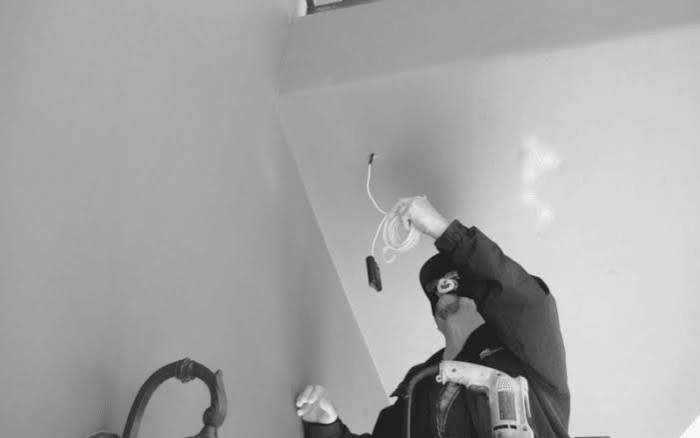
California introduced SB 326 balcony inspections to improve safety in condominium communities. The law requires regular evaluations of exterior elevated elements such as balconies, decks, stairways, and walkways. These inspections help identify structural concerns before they become serious safety hazards. Property owners and HOA boards must understand their responsibilities to remain compliant.
Many structural issues remain hidden for years because moisture damage and decay often occur inside enclosed framing. Routine inspections help uncover these conditions early. This process supports long term building performance while reducing unexpected repair challenges. Safety remains the primary purpose of the law.
What Are Forensic Consulting Firms?
Forensic consulting firms investigate building failures, construction defects, and structural concerns. Their specialists examine evidence, identify causes of deterioration, and provide professional findings. These firms often assist property owners, attorneys, HOAs, and insurance professionals. Their expertise becomes valuable when hidden defects are suspected.
Unlike standard visual reviews, forensic investigations focus on understanding why damage occurred. Experts may assess water intrusion, wood rot, corrosion, or construction deficiencies. They document findings through detailed reports and recommendations. This information supports informed decision making.
Best Situations to Hire Forensic Consulting Firms
Property owners often engage forensic consulting firms when visible deterioration appears on balconies or elevated structures. Cracks, sagging surfaces, loose railings, and water stains may indicate deeper issues. A forensic review can determine the root cause rather than simply addressing surface symptoms. Early investigation can prevent future structural problems.
These specialists are also useful during disputes involving construction defects or maintenance responsibilities. HOA boards may require independent evaluations before major repair projects. Professional assessments provide objective findings based on evidence. This improves confidence during planning and budgeting.
Understanding Which Properties Must Comply
SB 326 balcony inspections generally apply to common interest developments containing three or more residential units. Exterior elevated elements designed for human use fall within the scope of the law. Balconies, decks, porches, stairways, and walkways commonly require evaluation. The law focuses primarily on structures supported by wood or wood based components.
Newer buildings may qualify for limited exemptions depending on occupancy dates and applicable regulations. Property owners should review governing requirements carefully. Misunderstanding eligibility can create compliance issues. Professional guidance helps determine whether inspections are necessary.
Top Structural Problems Found During Inspections
Inspectors frequently discover water intrusion behind exterior finishes during sb 326 balcony inspections. Moisture can damage framing components and weaken structural capacity over time. In many cases, damage remains hidden until professional testing occurs. Early detection reduces the risk of severe deterioration.
Other common findings during sb 326 balcony inspections include wood rot, corrosion of metal connectors, failed waterproofing systems, and deteriorated flashing. Improper construction practices may also contribute to premature damage. Identifying the underlying cause is essential for effective repairs. Temporary fixes rarely address long term concerns.
The Inspection Process Explained
The inspection process typically begins with a visual assessment of exterior elevated elements. Inspectors evaluate accessible areas and document visible conditions. In some cases, minimally invasive testing is necessary to inspect concealed structural components. Moisture meters and specialized tools may assist the investigation.
After completing the assessment, professionals prepare a detailed report outlining observations and recommendations. The report identifies unsafe conditions and may suggest corrective actions. Property owners should maintain these records for future reference. Proper documentation supports ongoing compliance efforts.
SB 326 and SB 721: Key Differences
Many property owners confuse SB 326 with SB 721. Although both laws address balcony safety, they apply to different property categories. SB 326 primarily covers condominiums and common interest developments managed by associations. SB 721 generally applies to multifamily rental properties.
Inspection cycles also differ between the two laws. Qualified professionals should review specific property conditions before determining applicable requirements. Understanding these distinctions helps owners avoid compliance mistakes. Accurate classification ensures inspections follow the correct standards.
How Expert Reports Help HOA Boards
HOA boards often rely on professional reports when planning maintenance and repair projects. Detailed findings provide a clear understanding of current structural conditions. This information helps prioritize repairs based on safety concerns. Boards can make informed decisions supported by documented evidence.
Professional reports also improve communication among residents, managers, and contractors. Transparent documentation reduces uncertainty during major projects. Accurate assessments support long term reserve planning. Well documented inspections create a stronger foundation for future maintenance programs.
Choosing the Right Inspection Partner
Selecting experienced professionals is important for successful inspections. Property owners should verify qualifications, relevant experience, and familiarity with California balcony regulations. Firms with forensic expertise often provide deeper analysis when unusual conditions are present. Experience with structural investigations can improve overall assessment quality.
MC Consultants supports property owners and associations through comprehensive structural evaluations and SB 326 compliance services. Their team assists clients in identifying hidden defects, documenting conditions, and developing practical repair strategies. Working with knowledgeable professionals helps streamline the inspection process while supporting building safety.
Conclusion
SB 326 balcony inspections play a critical role in protecting residents and preserving building integrity. Hidden deterioration can exist even when structures appear sound from the outside. Engaging qualified professionals allows property owners to identify issues before they worsen. Proactive inspections support safer communities and better long term asset management.
Forensic consulting firms add significant value by uncovering root causes, documenting deficiencies, and guiding corrective actions. Their expertise strengthens inspection programs and supports informed decisions. Property owners who prioritize professional evaluations are better prepared to manage structural risks.
FAQs
1. What do forensic consulting firms do?
They investigate structural problems, identify causes of damage, and prepare professional reports based on evidence.
2. Who must complete SB 326 balcony inspections?
Common interest developments with three or more residential units that include qualifying exterior elevated elements generally must comply.
3. What structures are included in SB 326 inspections?
Balconies, decks, walkways, stairways, and similar elevated structures designed for occupant use may require inspection.
4. How often are inspections required?
Inspection schedules depend on the applicable law and property type. Owners should confirm requirements with qualified professionals.
5. Why is forensic analysis important during inspections?
Forensic analysis helps identify hidden defects, determine root causes, and support effective repair planning.
