


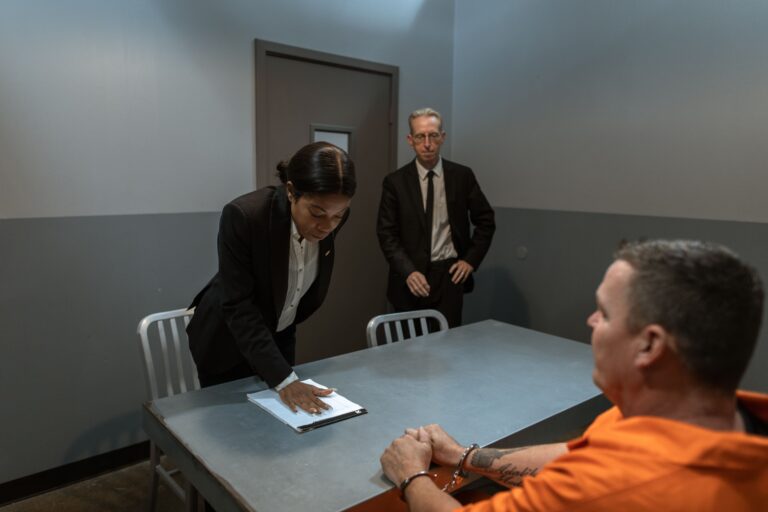
Accidents do not need to happen twice for it to be damaging to your everyday living; once is enough. While you may not entirely have control over how accidents occur, you can ensure that you receive compensation for every damage incurred from an accident. The law, however, does not always hand out compensation simply because you had an accident. You must show, through a convincing case, that you deserve to be compensated.
“Three vital elements that directly define a strong personal injury case in Georgia include presentation of evidence, availability of credible witnesses, and expert testimony,” says Ronny Hulsey, a Georgia personal injury attorney of Smith Hulsey Law. Considering how essential these elements are to your case, this article discusses them in detail.
What to Note About Gathering Crucial Evidence
A personal injury case is built on the strength of its evidence and how well it is presented against the other party. Without it, even a clear-cut case may falter. In Georgia, victims can start by documenting the immediate aftermath of the accident by taking photographs and videos of the scene.
Details captured should include damaged property, road conditions, visible injuries, and other things that words alone cannot convey. After that, gather medical records that provide a complete account of your injuries, treatments, and ongoing care, as that helps to illustrate the cost and severity of your injury.
Organizing all evidence clearly and logically helps your attorney present your case effectively and persuasively. Hence, it makes it easier for judges or insurance companies to understand the full scope of your claim.
The Need for Credible Witnesses
While evidence provides factual support, witnesses offer context that documents alone may not provide. They confirm events, clarify circumstances, and provide credibility to your version of what happened. Witnesses might include bystanders, coworkers, emergency responders, or anyone present at the scene.
Gathering witness statements promptly in Georgia preserves accuracy, as memories are freshest immediately after an incident. In many cases, strong witness testimony can be the difference between a disputed claim and a clear path to compensation.
The Role Professional Testimony Plays in Your Case
Some personal injury cases require specialized knowledge that the average person does not possess, and this is where expert witnesses become invaluable. Medical experts, for instance, can provide detailed insight into your injuries and how they may affect you over time. Accident reconstruction specialists analyze the circumstances of the incident, detailing how it happened and who may be liable.
Professional testimony in Georgia courts must be delivered clearly and supported with verifiable data. These testimonies provide an authoritative perspective that can sway a jury or judge in your favor.
How Can You Weave It All Together?
In Georgia, the strength of a personal injury case is not based on a single piece of information. Instead, it lies in how those pieces connect to form a clear and persuasive story. For example, photographs of an accident scene may illustrate the conditions that caused harm. Those present at the scene verify what occurred, while medical records document the severity of the injuries.
Professional testimony also explains these technical details in a way that judges and jurors can understand. When combined, these elements support one another and eliminate gaps that might otherwise weaken the claim.
Weaving these parts together requires strategy and precision, and that is where legal representation may be recommended. The goal of this is to create a compelling account that flows logically from cause to effect. Every piece of evidence should lead naturally to the next, ensuring that the case is both a presentation of facts and a persuasive demonstration of responsibility.
Conclusion
A successful personal injury case in Georgia depends on presenting facts in a coherent and compelling narrative. The evidence provides the foundation, while witnesses add credibility and context to it. Expert testimony then bridges the gap between technical details and human understanding. When these elements are carefully aligned, they create a persuasive story that leaves little room for doubt. This interconnected approach ensures that the injured party’s voice is fully heard and their experience truly understood.
