


Key Highlights
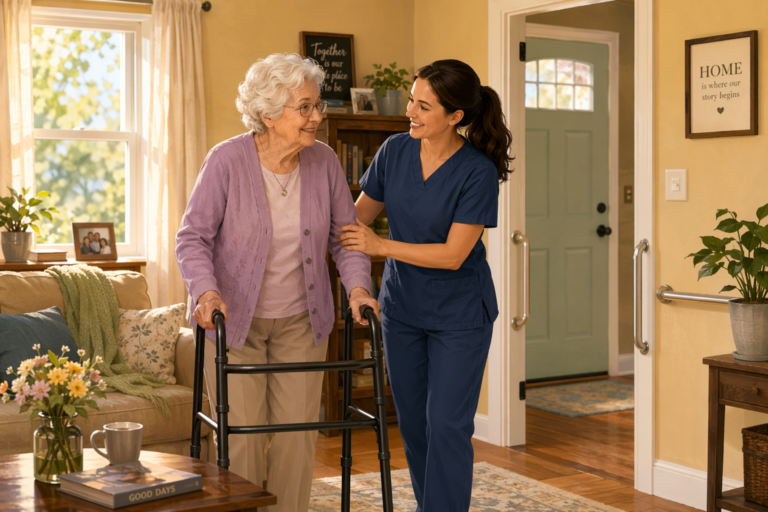
- Dementia care at home helps dementia patients stay in familiar surroundings with tailored home care and trusted support services.
- Daily challenges often include memory loss, communication difficulties, personal care, and keeping routines steady.
- Strong home safety steps can lower confusion, reduce the risk of falls, and support everyday comfort.
- A simple care plan makes daily living more manageable for families and carers.
- Flexible support services, including respite care, can protect quality of life for everyone involved.
- In Australia, government and private funding can help families access dementia care at home.
Introduction
Caring for a loved one with Alzheimer’s disease and dementia at home can be both rewarding and challenging. You may face shifting needs, disrupted routines, and tough care decisions. However, home care offers familiar surroundings, practical support, and greater comfort. With the right help, you can make daily life safer, calmer, and easier while keeping your loved one connected to home.
Understanding Dementia Care at Home in Australia
In Australia, dementia care at home helps people stay in familiar surroundings while receiving support with daily tasks, personal care, household chores, emotional needs, transport, and routines to reduce confusion. Home care offers families the flexibility to access memory care solutions as needs change.
Specialist dementia care options support people at home. Funding may come from Australian Government programs like the Support at Home Program, the NDIS for younger onset dementia, or private sources, including specialist care providers. Providers such as Five Good Friends help families connect with experienced caregivers.
Key Differences Between Home Care and Residential Care
Choosing between home care and residential care facility options depends on your loved one’s needs, routines, and required support. Home care lets them remain in familiar surroundings, while a residential care facility involves moving to a facility for ongoing assistance. Families often consider comfort, safety, and supervision when deciding.
| Option | What it offers |
| Home care | Flexible in-home support: personal care, household help, routines, companionship, transport, respite |
| Residential care | Higher-level care in a facility away from home and usual environment |
Consider the level of daily support needed, the value of familiar surroundings, and whether family carers need breaks. If maintaining routines and quality of life at home is the priority, in-home support may be best before choosing residential aged care.
Why Home Is Often Preferred for Dementia Support
Many people prefer home care because it feels safe and familiar, reducing fear and anxiety—especially important for those with dementia. Staying at home allows individuals to maintain social connections, hobbies, and daily routines, supporting their well-being and independence while receiving the best possible care.
Home care can be tailored to each person’s needs, including personal care, household help, companionship, transportation, respite care, and support with daily activities, as well as considerations for power of attorney. As needs change, services can adapt, offering families flexibility and peace of mind.
Common Daily Challenges in Dementia Care at Home
Daily challenges in dementia care often develop gradually and become routine. Patients may need more help with memory, communication, personal care, and everyday tasks. These changes can disrupt routines, affect confidence, and impact the household.
At home, communication issues and shifting care needs are major stressors. Families may find it hard to balance support, safety, and their own wellbeing, potentially leading to feelings of social isolation. The following sections highlight common challenges and practical solutions.
Navigating Memory Loss and Communication Issues
Memory loss and communication issues are common daily challenges for people with Alzheimer’s or other cognitive conditions, which is an umbrella term for various disorders. They may forget names, repeat questions, or lose track of tasks, leading to frustration for both the individual and the caregiver.
Simple adjustments can help. Clear routines and familiar support make things feel less overwhelming.
- Use short, simple sentences.
- Keep routines predictable.
- Give one instruction at a time.
- Involve familiar helpers or family.
As memory worsens, consistency becomes even more important. Trusted home support helps maintain calm, daily skills, and reduces anxiety—making personalised home care essential for families managing dementia.
Managing Personal Care and Everyday Activities
Personal care is often one of the most challenging aspects of dementia care at home, especially in specific areas like showering, dressing, grooming, toileting, and mobility. Tasks may take longer or cause resistance. Meanwhile, chores such as laundry, shopping, and meal prep still need attention, leaving family carers stretched thin.
A practical support plan can make daily routines more manageable and help protect health and dignity. Breaking tasks into smaller steps benefits both the carer and the person with dementia.
- Set a simple daily routine for personal care.
- Schedule meals, grooming, and rest at familiar times.
- Accept household help when offered.
- Take regular breaks to protect your own wellbeing.
Respite care can be especially helpful. It gives carers time to rest, attend appointments, and recharge—making long-term home care more sustainable.
Creating a Safe and Supportive Home Environment
A safe environment is essential for quality dementia care. At home, the goal is to prevent harm, reduce confusion, and create a calmer daily life. For support, you can reach out to the national dementia helpline, which ensures good safety habits that support confidence, routines, and independence.
Strong support systems are also important to provide the right level of support. Families, helpers, and services can work together to make the home practical, comfortable, and manageable. The next sections offer simple tips for improving safety in everyday spaces and during higher-risk activities.
Adapting Living Spaces to Prevent Accidents
Adapting the home starts with identifying areas prone to accidents, such as bathrooms, hallways, bedrooms, and entryways. The goal is to support movement, reduce fall risks, and simplify daily routines.
Simple changes can boost safety without making the home feel unfamiliar. Mobility aids may also help increase confidence and support safer movement.
- Keep walkways clear and accessible.
- Organise frequently used items for easy access.
- Use appropriate mobility aids for safe movement.
- Maintain a tidy, comfortable setup for daily tasks.
These adjustments promote independence and reduce stress. Along with household assistance and a consistent support plan, they make home care safer and easier for everyone.
Essential Safety Measures for Wandering and Falls
Wandering and falls are major risks for dementia patients at home, often triggered by confusion or unsupervised movement. Families need safety measures that protect both dignity and comfort.
The most effective approach combines supervision, steady routines, and practical support:
- Keep daily routines consistent.
- Make frequently used areas easy to access.
- Schedule regular check-ins from family or helpers.
- Use respite or in-home support when constant supervision isn’t possible.
You don’t have to manage everything alone. Flexible support services can help during high-risk times or when caregivers need a break, preventing small problems from becoming serious ones.
Building a Practical Daily Care Plan for Dementia
A daily care plan brings structure to home life and reduces stress by outlining routines, tasks, and who provides support, playing a vital role in enhancing the quality of life for both the person with dementia and the caregiver.
Effective plans are simple and practical. They should match current abilities, preferences, and available support from family or groups. This makes routines and independence easier to manage.
Structuring Routines to Reduce Confusion
Because dementia is progressive, routines become increasingly important. Tailored palliative care routines create predictable daily patterns that reduce confusion, lower anxiety, and make meals, personal care, rest, and social time flow more smoothly. Routines also help carers know what support is needed and when.
A good care plan doesn’t need to be complex—just matched to the person’s habits, strengths, special care needs, and energy levels for steady daily support.
- Keep wake-up, meal, and bedtime routines consistent.
- Include meaningful activities and quiet time each day.
- Use familiar helpers or carers whenever possible.
- Allow for quality time, not just tasks.
Structured support makes routines easier to maintain, especially with busy family schedules. Over time, these patterns can boost comfort, preserve skills, and make home care less chaotic and more manageable.
Encouraging Independence While Providing Assistance
Supporting independence is essential to respectful dementia care at home for a family member. Even with help, many people can still participate in personal care, social activities, and daily choices. Maintaining independence preserves confidence and dignity.
The goal is to provide support without taking over. This approach often results in calmer care, less resistance, and a better experience for everyone.
- Let the person handle parts of tasks they can still do.
- Offer simple choices instead of open-ended questions.
- Keep routines steady and familiar to reduce stress.
- Prioritise dignity during dressing, grooming, and mobility.
Carers should stay flexible as needs change daily. Adjust your assistance as needed to balance safety with respect for the person’s preferences and abilities.
Managing Challenging Dementia Behaviors at Home
Challenging dementia behaviors—such as agitation, aggression, or distress—can disrupt daily life for both those living with dementia and their caregivers. Support systems are crucial, as appropriate support through behavioral strategies can help when routines break down or needs aren’t met.
Respond with calm, practical actions. Preserve dignity, identify triggers, and involve health professionals or additional support as needed.
Approaches for Coping with Aggression and Agitation
Aggression and agitation may appear sudden but are often triggered by confusion, stress, or unmet needs. Families should remain calm, as reacting quickly can make things worse.
Frequent or challenging behaviors may require professional support. Dementia-focused providers and groups like Dementia Support Australia offer management strategies.
Tips:
- Speak calmly using simple words.
- Step away if tension rises.
- Resume familiar routines once calm.
- Get professional help if behaviors escalate.
Families don’t have to manage alone. In-home dementia support offers experienced Helpers, respite care, and structure to reduce daily stress and prevent difficult situations.
Effective Communication Strategies During Difficult Moments
During difficult moments, communication issues can escalate situations. If someone feels confused or pressured, they may stop responding to lengthy explanations or repeated corrections. The first step in a clear support plan should include simple communication strategies for stressful times.
Less is often more. Short phrases, a calm tone, and familiar faces help the person feel safer and understood.
- Give one instruction at a time.
- Keep your voice calm; avoid arguments.
- Allow extra time for responses.
- Share helpful routines with family and support services.
Involving others also helps. Support groups, helpers, and health professionals can offer practical advice based on home situations. When everyone uses similar strategies, communication is more consistent and less stressful for the household.
Conclusion
Managing dementia care at home requires thoughtful preparation and understanding of each individual’s cultural background. By addressing specific needs, ensuring safety, and establishing routines, caregivers can greatly improve their loved ones’ quality of life. Effective communication and adapting to changing behaviors also foster a supportive environment. Remember, help is available—reach out for a free consultation to see how we can support your family.
