


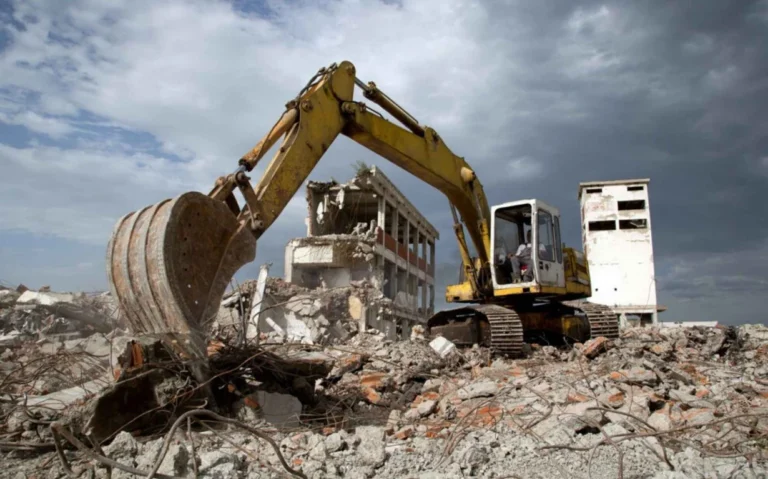
Introduction to Construction Waste Management
Construction projects, whether small residential builds or large commercial developments, generate a significant amount of waste that must be handled responsibly.This includes concrete debris, wood scraps, metal pieces, bricks, packaging materials, and other leftover substances that accumulate during building activities.Managing this waste effectively is not only important for maintaining a clean and safe environment but also for reducing the negative impact on natural resources and surrounding communities.In recent years, the demand for organized systems of construction waste removal has increased as industries become more aware of environmental responsibilities and cost efficiency.Proper handling of construction waste ensures that reusable materials are not lost and harmful elements do not pollute land or water systems.Many modern construction companies now prioritize waste segregation at the source so that recyclable items can be separated from non-recyclable ones.This approach reduces landfill usage and promotes sustainability in the construction industry.Effective planning for construction waste removal is becoming a standard part of project management, ensuring that debris is cleared in a structured and timely manner without disrupting ongoing work.
Importance of Material Segregation in Waste Handling
One of the key aspects of managing construction waste is understanding the type and volume of materials being produced.Different construction activities generate different waste streams, and each requires a specific handling method.For example, concrete and bricks can often be crushed and reused in new construction projects, while metals can be melted and recycled into new products.Proper categorization helps streamline the entire process of construction waste removal and minimizes unnecessary disposal costs while maximizing resource recovery.Another important factor is the role of technology in improving waste handling efficiency.Modern machinery and digital tracking systems allow construction teams to monitor waste generation in real time.This helps in planning transportation, recycling, and disposal more effectively.With better data, companies can reduce unnecessary trips to disposal sites and optimize logistics.As a result, construction waste removal becomes more cost-effective and environmentally friendly, contributing to a more sustainable construction cycle overall.
Role of Training and Workforce Awareness
Training workers on proper waste handling techniques is also essential for maintaining efficiency on construction sites.Employees should be aware of how to separate materials, where to store waste temporarily, and how to handle hazardous substances safely.Without proper training, even the best waste management systems can fail.Therefore, education and awareness play a critical role in ensuring that construction waste removal is carried out smoothly and without environmental harm.In many modern projects, recycling plays a major role in reducing waste volume.Materials like steel, glass, wood, and concrete can often be processed and reused in new construction activities.This not only reduces the demand for raw materials but also helps in lowering overall project costs.Companies that invest in recycling systems benefit both financially and environmentally, making construction waste removal a valuable part of sustainable development strategies.
Environmental Regulations and Compliance
Legal regulations and environmental policies also influence how construction waste is handled.Many regions have strict guidelines regarding disposal methods, landfill usage, and recycling requirements.These rules are designed to protect the environment and encourage responsible practices.Construction companies must comply with these regulations to avoid penalties and maintain their reputation.Following proper construction waste removal procedures ensures compliance while promoting eco-friendly operations.In addition to environmental benefits, proper waste management also improves safety on construction sites.Accumulated debris can create hazards for workers, increasing the risk of accidents and injuries.Keeping the site clean through regular removal of waste reduces these risks significantly.Organized construction waste removal contributes to a safer working environment and improves overall productivity on the job site.
Sustainability and Modern Construction Practices
Sustainability has become a central focus in modern construction practices, and waste management is a key part of this shift.Companies are now adopting green building standards that emphasize reduced waste generation, material reuse, and efficient resource utilization.These practices not only help protect the environment but also enhance the long-term value of construction projects.In this context, construction waste removal is no longer just a cleanup task but a strategic component of sustainable development.Cost efficiency is another important advantage of proper waste management.When waste is sorted and recycled correctly, companies can reduce disposal fees and even generate revenue from recyclable materials.This makes construction projects more economically viable.Strategic planning of construction waste removal helps minimize unnecessary expenses while ensuring that valuable materials are not wasted.
Professional Waste Management Services
Professional services in this field play a crucial role in handling large-scale construction waste.Specialized teams are equipped with the tools and expertise required to manage complex waste streams efficiently.These services ensure that waste is collected, transported, and processed in compliance with environmental standards.Hiring professionals for construction waste removal allows construction companies to focus on their core activities while ensuring responsible waste management.
Conclusion
In conclusion, effective management of construction waste is essential for maintaining environmental balance, improving safety, and reducing costs in the construction industry.Through proper planning, recycling, training, and compliance with regulations, construction waste can be handled in a sustainable and efficient manner.The increasing emphasis on eco-friendly practices has made construction waste removal a vital part of modern construction projects.By adopting structured systems and responsible habits, the industry can significantly reduce its environmental footprint while improving overall efficiency and productivity.
