


Introduction to Construction Planning and Early Development
Construction projects, whether residential, commercial, or industrial, all begin long before the first brick is laid or concrete is poured. The success of any structure depends heavily on the groundwork done at the earliest stage, which is commonly referred to as site preparation. This phase is often overlooked by those unfamiliar with construction processes, but it is one of the most critical steps in ensuring safety, durability, and long-term stability. Proper planning and execution during this stage can prevent structural failures, drainage issues, and costly repairs in the future. From clearing land to testing soil conditions, every step plays a vital role in shaping the outcome of the project. Without careful attention to this phase, even the most well-designed structures can face serious challenges over time.
Importance of Early Stage Planning in Construction
Before any physical work begins, understanding the concept and scope of site preparation is essential for engineers, builders, and property developers. It involves a series of structured steps that transform raw land into a build-ready surface. This includes evaluating the terrain, removing obstacles, and ensuring that the land is suitable for construction activities. The process also ensures compliance with safety standards and local building requirements. When done correctly, it minimizes risks such as foundation cracks, uneven settling, and water accumulation issues. In many cases, poor preparation can lead to long-term structural instability, making repairs extremely expensive. That is why experts always stress the importance of proper groundwork. The success of any construction project depends on how efficiently this stage is handled. In fact, without proper site preparation, even high-quality materials and skilled labor cannot guarantee a stable structure.
Soil Testing and Land Surveying Analysis
Soil testing and land surveying are essential components that determine whether a site is suitable for construction. Engineers analyze soil composition, moisture levels, and load-bearing capacity to ensure stability. These tests help in identifying potential risks such as soil erosion, sinking, or shifting. Surveying also provides accurate measurements of land boundaries and elevation levels. This information is crucial for designing foundations that can withstand environmental pressures. Without proper analysis, structures may face long-term damage or instability. In professional construction practices, the phrase site preparation is often used to describe this detailed evaluation phase. Accurate data collected during this stage ensures that engineers make informed decisions. As a result, construction becomes safer, more reliable, and structurally sound.
Land Clearing and Ground Leveling Process
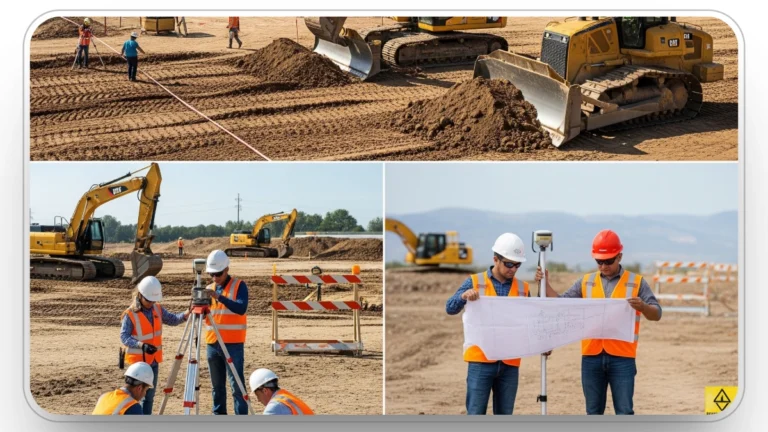
Clearing and grading the land is another important step that directly affects the quality of construction. This involves removing vegetation, debris, rocks, and any existing structures that may interfere with development. Once the land is cleared, it is leveled and shaped according to design requirements. Proper grading ensures that water drains away from the structure, preventing flooding and erosion issues. This step also helps in creating a stable base for foundation work. Heavy machinery is often used to ensure precision and efficiency during this process. In many construction projects, professionals emphasize the importance of site preparation when discussing land clearing and grading activities. Careful execution at this stage ensures long-lasting structural integrity. Any mistakes here can affect the entire project’s durability and safety.
Utility Installation and Infrastructure Development
Infrastructure installation, including utilities and drainage systems, is a crucial part of making a construction site fully functional. This includes setting up water supply lines, sewage systems, electrical connections, and proper drainage channels. These systems must be carefully designed and installed to avoid future complications. Proper drainage is especially important to prevent water accumulation that can weaken foundations. Electrical and plumbing systems must also be planned in advance to ensure efficiency and safety. Professionals often integrate this stage into overall site preparation planning to ensure seamless coordination. The keyword site preparation is also frequently used during this phase to highlight its importance in organizing underground infrastructure. Without proper utility planning, even a well-built structure can face long-term operational issues.
Equipment Usage and Resource Management in Construction
The selection and use of appropriate equipment and materials also play a significant role in construction success. Heavy machinery such as excavators, bulldozers, and compactors are commonly used during early development stages. These tools help in speeding up work while maintaining accuracy and efficiency. Material selection is equally important, as poor-quality materials can compromise structural strength. Contractors must ensure that all equipment is well-maintained and operated by trained professionals. In this context, site preparation is often highlighted as a stage where proper tools and materials are organized for upcoming construction activities. Efficient resource management also helps in reducing overall project costs and avoiding unnecessary delays.
Safety Standards and Environmental Responsibility
Safety and environmental considerations are critical aspects of modern construction practices. Workers must follow strict safety protocols to avoid accidents and injuries on-site. Protective equipment such as helmets, gloves, and boots are essential during all stages of development. Environmental protection is also important, as construction activities can impact surrounding ecosystems. Proper waste management and pollution control measures must be implemented to minimize environmental damage. In professional construction discussions, site preparation is often associated with ensuring a safe and environmentally responsible work environment. Sustainable construction practices are becoming increasingly important in today’s world, making safety compliance a key part of project success.
Common Mistakes and Project Challenges
Many construction projects face delays and failures due to common mistakes made during early planning and execution. These include poor soil analysis, inadequate drainage planning, and insufficient land clearing. Another major issue is ignoring environmental factors such as rainfall patterns and soil behavior. Such mistakes can lead to structural instability and increased maintenance costs. Proper training and experienced supervision can help prevent these issues. In many cases, professionals refer back to site preparation guidelines to correct early-stage errors and improve project outcomes. Understanding the importance of this phase ensures better decision-making and reduces risks significantly.
Conclusion and Final Insights
In conclusion, every successful construction project depends on careful planning, analysis, and execution from the very beginning. The foundation of any structure is directly influenced by how well the land is prepared before construction begins. Without proper attention to detail, even advanced engineering techniques cannot guarantee long-term stability. That is why professionals consistently emphasize the importance of site preparation as a fundamental stage in construction. The keyword site preparation highlights the essential processes that transform raw land into a safe and stable building site. Ultimately, strong preparation leads to strong structures, making this phase one of the most important elements in the entire construction process.
