


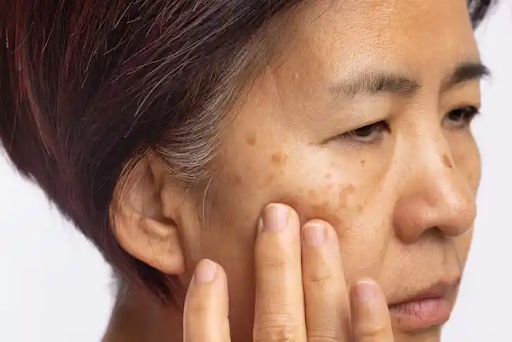
Maintaining healthy, clear skin requires a balance of proper daily care and professional expertise. Many residents seeking to address complex dermatological issues look for a reliable skin clinic in Hove and Brighton to receive tailored advice. Two of the most common cosmetic and medical concerns people face are uneven skin tone and unusual skin growths. Understanding the underlying factors behind these issues helps you make informed choices about your treatment plan. Whether you want to address dark spots or are considering a minor procedure to address a prominent growth, professional guidance ensures safe, effective results. This guide looks at the biological triggers of discolouration and explains when you should seek specialist care for cosmetic procedures.
Demystifying Pigmentation and Its Triggers
Skin discolouration occurs when the body produces either too much or too little melanin, the pigment responsible for your skin, hair, and eye colour. To address this issue effectively, you first need to identify what causes skin pigmentation in your specific case. Ultraviolet radiation from the sun remains the primary trigger, as it stimulates melanocytes to produce excess melanin as a protective mechanism. This process leads to sunspots, age spots, and general unevenness over time.
Sun Exposure and Melanin Production
Daily exposure to UV rays damages skin cells and triggers defence mechanisms. Melanocytes react by overproducing pigment, which clusters together to form dark spots. This damage accumulates over years, meaning spots often appear much later in life than the initial sun exposure occurred.
Hormones and Post-Inflammatory Triggers
Hormonal fluctuations also play a massive role in changing your skin tone. Conditions like melasma, often triggered by pregnancy or oral contraceptives, cause symmetrical dark patches on the face. Additionally, post-inflammatory hyperpigmentation occurs after the skin suffers an injury or inflammation, such as an acne breakout, eczema flare-up, or a minor burn. As the skin heals, it leaves behind a darkened area that can persist for months.
When to Consider Face Mole Removal
While pigmentation changes usually affect flat areas of the skin, raised growths or moles require a different approach. Deciding to undergo face mole removal in Brighton and Hove is a choice that many people make for both cosmetic and functional reasons. A mole on the face can affect your self-confidence, especially if it is large, prominent, or has changed shape over time. It can also cause physical discomfort, catching on clothing, jewellery, or getting nicked during your daily shaving routine.
Cosmetic and Functional Reasons
Many individuals choose to remove facial moles simply to achieve a smoother skin texture. This makes makeup application easier and creates a more balanced facial appearance. If a mole sits along the jawline or near the nose, removing it can prevent constant friction and irritation.
Medical Safety and the ABCDE Checklist
Before scheduling any cosmetic procedure, you must have the mole assessed by a qualified professional. Practitioners use the ABCDE criteria to check for signs of melanoma: asymmetry, border irregularity, colour variation, diameter, and evolving shape. If a mole shows any of these warning signs, a medical biopsy is necessary to rule out skin cancer. For benign moles, cosmetic removal is highly straightforward and virtually painless.
Professional Treatments for Pigmentation Issues
Addressing complex skin issues requires advanced technology that home skincare routines simply cannot match. Visiting a reputable skin clinic in Hove and Brighton gives you access to medical-grade treatments designed to target deep melanin deposits. Clinicians use specialised diagnostic tools to analyse your skin layers, helping them determine exactly what causes skin pigmentation in your individual case.
Advanced Clinical Solutions
Once they identify the root cause, practitioners can recommend several highly effective procedures. Laser therapy, for instance, emits specific wavelengths of light that break down excess melanin without damaging the surrounding tissue. Chemical peels use clinical-strength acids to exfoliate the top layers of skin, encouraging rapid cell turnover and revealing a brighter, more even complexion underneath.
Tailored Care for All Skin Types
Microneedling is another popular option that stimulates the body’s natural healing response, breaking up patches of hyperpigmentation while boosting collagen production. Because these treatments carry a risk of side effects if performed incorrectly, relying on experienced clinical professionals is vital. They will customise the treatment intensity based on your skin type, reducing the risk of post-inflammatory hyperpigmentation, which can sometimes occur in darker skin tones when laser or chemical treatments are too aggressive.
What to Expect During a Mole Removal Procedure
If you decide to proceed with face mole removal in Brighton and Hove, understanding the step-by-step process can help ease any anxiety. Your journey begins with an in-depth consultation at a local skin clinic in Hove and Brighton. During this initial meeting, a specialist examines the mole under a dermatoscope to confirm it is benign and determines the most suitable removal method.
The Initial Consultation
The practitioner will assess your medical history, skin type, and the mole’s characteristics. This ensures the chosen technique matches your aesthetic goals and minimises healing time. You will also receive clear advice on how to prepare your skin before the session.
What Happens During the Procedure
The actual procedure is quick, typically taking less than thirty minutes. The clinician applies a local anaesthetic to numb the area, ensuring you feel no pain during the treatment. For raised moles, shave excision is often the preferred method. The practitioner uses a small, sharp blade to shave the mole flat with the surrounding skin, which usually requires no stitches. For deeper moles, an excision biopsy may be performed, where the entire mole is removed and the wound is closed with tiny, precise sutures. Aftercare is simple and involves keeping the site clean and sun-protected.
Conclusion
Managing skin changes can feel overwhelming, but understanding what causes skin pigmentation and knowing when to seek professional help simplifies the process. Whether you want to fade dark patches or require face mole removal in Brighton and Hove, consulting qualified dermatologists ensures your skin receives safe, effective care. Modern clinical treatments offer reliable solutions that restore your confidence and improve your overall skin health. By taking a proactive approach to your dermatological needs and seeking expert guidance, you can achieve a clear, glowing complexion that feels as healthy as it looks. Do not hesitate to book a consultation to address your unique skin concerns today.
