


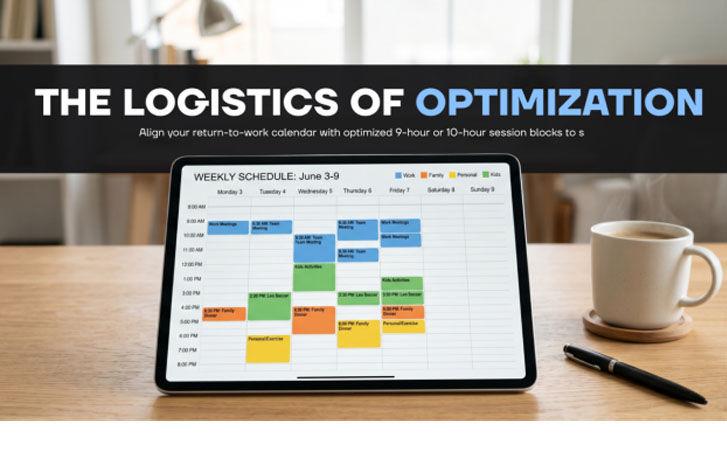
Balancing a successful return-to-work schedule with the realities of escalating living costs is one of the most significant logistical hurdles for dual-income and working households across New South Wales. For families throughout Metro Sydney and regional areas, organizing the family calendar often feels like a complex exercise in financial engineering. High childcare expenses frequently act as a direct barrier to expanding professional commitments, sometimes making extra days in the office feel financially counterproductive. Fortunately, a structural policy shift has rewritten the economics of early childhood education. Learning how to properly navigate local enrollment networks to find childcare in NSW gives working parents a positive, highly strategic pathway toward maximizing their disposable household income while maintaining a productive career trajectory. By eliminating old regulatory hurdles, this updated system allows families to re-evaluate their weekly routines and minimize out-of-pocket gaps, ensuring that returning to the workforce delivers a genuine, measurable financial advantage.
The cornerstone of this new financial landscape is the landmark 3-Day Guarantee, a policy that completely reshapes how the federal Child Care Subsidy is calculated and distributed. Previously, the number of subsidized hours a household could claim each fortnight was strictly bound to a complicated activity test, which measured a parent’s documented hours of employment, study, or volunteering. This rigid structure created steep financial traps, particularly for casual employees, freelancers, or parents transitioning back into the workforce who could not guarantee fixed weekly working hours. Under the updated regulations, the activity test requirement has been completely removed for the first 72 hours of care per fortnight, per child. This historic change guarantees that every eligible family earning under the maximum income threshold receives at least three full days of subsidized care each week, providing a reliable baseline of financial support that remains completely steady regardless of shifting work patterns.
The NSW Cost Baseline: Navigating the Hourly Rate Cap Gap
While the 3-Day Guarantee provides an incredible boost in subsidized hours, achieving true budget optimization requires a clear understanding of the baseline fees charged by centers across the state. According to recent federal education department data, the average hourly fee for centre-based long day care in New South Wales sits at approximately $14.60 per hour, which translates to roughly $146 for a standard 10-hour operating day before any subsidies are applied.
This $14.60 state average sits right up against the federal maximum childcare subsidy hourly rate cap of $14.63. This close alignment means that families using a typical, average-priced center face very little out-of-pocket leakage caused by fee caps. However, this state-wide baseline can mask the intense price pressures found within specific geographic pockets. In high-demand metropolitan areas like the Sydney central business district, the Inner West, and the Lower North Shore, daily fees routinely scale to anywhere between $167 and $197 per day. When a center’s fee structures exceed the hourly cap, the government only applies your subsidy percentage up to that $14.63 limit. The remaining amount, known as the above-cap gap, must be paid entirely out of pocket by the parents, making it critical to factor location-specific premiums into your structural household projections.
Strategic Session Alignment: Maximizing Your 72-Hour Fortnightly Allocation
To counteract these localized price premiums, smart households are changing how they select and utilize their enrolled sessions. A common mistake that rapidly drains a family’s subsidized hours is failing to look at the exact length of a center’s daily contract session.
Many long day care centers operate on a standard 11-hour or 12-hour daily schedule, charging a single flat rate for the entire day regardless of when you drop off or pick up your child. If your child is enrolled for three days a week in an 11-hour session, you will consume 33 hours of your subsidy allocation each week, or 66 hours over a single fortnight. This fits perfectly within the guaranteed 72-hour fortnightly floor. However, if your center utilizes a rigid 12-hour operational model, a three-day schedule consumes a full 72 hours per fortnight. If your work hours fluctuate and you occasionally need a fourth day of care during a busy peak period, every single hour of that extra day will be billed at the full, unsubsidized retail rate unless you can log extra work hours to trigger the higher 100-hour fortnightly subsidy tier. To protect against this issue, proactive parents should look for centers that offer flexible, optimized session lengths, such as targeted 9-hour or 10-hour blocks, which allow you to spread your 72 subsidized hours across more days without exceeding your limits.
Centre-Based Care vs. Occasional and Flexible Care Networks
When building an optimized childcare budget, families should also evaluate the financial pros and cons of traditional centre-based long day care compared to flexible or occasional care alternatives. Each system interacts differently with the new subsidy regulations, influencing your weekly out-of-pocket costs.
Traditional centre-based day care provides unmatched lifestyle stability, a reliable routine for early childhood development, and an average cost structure that closely tracks the official government subsidy caps. The main financial drawback stems from the rigid enrollment model, as centers require payment for public holidays and permanent scheduled days even if your child is absent due to illness or family holidays. In contrast, flexible and occasional care networks offer an excellent tool for managing irregular work shifts or sudden corporate meetings, allowing parents to book care on an ad-hoc basis and pay only for the exact hours used. However, this operational flexibility comes at a premium, as occasional care providers often charge significantly higher hourly rates that easily breach the federal cap. This leaves parents with a larger out-of-pocket gap fee per hour, meaning casual care is best used as a temporary tool rather than a full-time budget strategy.

Financial Optimization Blueprint: Assessing Tiers and Subsidy Gaps
Reviewing the exact financial relationships between different family income bands, maximum subsidy rates, and real out-of-pocket expenses under the current rates highlights how to protect your household cash flow.
- Low-to-Middle Income Tier (Combined Income up to $85,279): This bracket receives the maximum 90% subsidy rate, keeping the out-of-pocket gap fee down to an average of just $1.46 per hour at a standard center.
- Middle-to-Upper Professional Tier (Combined Income of $150,000): The subsidy drops to approximately 77% under the taper rules, resulting in an estimated out-of-pocket cost of $3.36 per hour for standard care.
- High-Income Executive Tier (Combined Income of $300,000): The subsidy tapers down to roughly 47%, raising the out-of-pocket gap fee to about $7.74 per hour, making optimized session lengths essential.
- Maximum Income Threshold (Combined Income of $533,280 or more): At this level, families are entirely ineligible for the subsidy, meaning they must fund the full retail cost of care independently.
By studying these clear financial tiers, working households can precisely map out their monthly expenses, align their return-to-work days with their true net income, and avoid unexpected childcare debt.
Minimizing the Gap: The Role of Direct Digital Fee Collection
Another important change that helps stabilize household budgets is the widespread introduction of the Direct Gap Fee Collection model across childcare and family day care systems. Previously, fee collection practices varied wildly between individual providers, with some centers allowing manual cash payments, delayed invoicing, or unpredictable lump-sum billing cycles that made it difficult to manage a consistent family budget.
The modern framework requires all approved childcare services to process gap fees electronically using transparent methods like direct debit, BPAY, or secure electronic bank transfers. This change eliminates surprise bills by providing families with a clear, automated digital ledger of their out-of-pocket expenses every single fortnight. Because these payments are processed automatically, centers can apply your government subsidy directly to your billing account in real-time, meaning you only ever pay the true, net gap fee during each cycle. This automated setup reduces administrative stress for busy parents and protects families from accidentally building up large child care debts, helping you maintain a clean, predictable household cash flow.
Conclusion: Securing an Optimized and Stress-Free Return to Work
Taking control of your family’s early education budget is an essential step for protecting your career growth, maintaining your mental well-being, and securing household financial stability in a changing economy. Relying on outdated assumptions about the activity test or failing to watch how your session lengths interact with fee caps can result in massive out-of-pocket expenses that quickly erode your hard-earned corporate salary.
By leaning into the financial protections of the 3-Day Guarantee, you can build a highly efficient, predictable, and stress-free care routine for your children. This strategic approach ensures you take full advantage of your 72 hours of guaranteed fortnightly subsidies, balances location-specific price premiums through smart session selection, and utilizes clear digital payment networks to keep your household budget completely transparent. Take absolute charge of your professional and financial future, choose care structures that support your family’s unique lifestyle, and step back into the workforce with total confidence that your childcare budget is fully optimized.
____________________________________________________________________________
Steven Lagrimas is a freelance writer specializing in STEM, business, health, politics, and the social sciences. His work explores the intersection of society, governance, innovation, and emerging global trends shaping communities and industries today.
