


Anyone who has priced out a cleanroom fit out or a large HVAC retrofit knows that filtration is not a small line item. Among the many parts on the list, HEPA filter cassettes tend to raise the most questions, since buyers often are not sure what separates a good cassette from a poor one until it fails a leak test. This guide walks through what these filters actually are, why so many facilities rely on them, and what to check before placing an order.
What Is a HEPA Filter Cassette
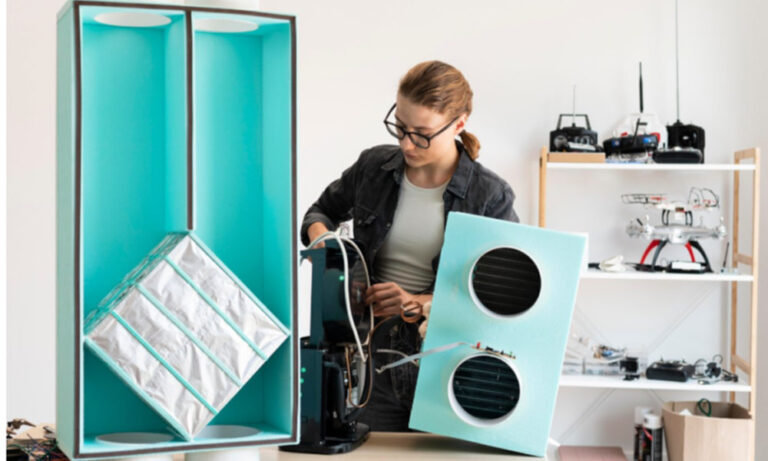
A HEPA filter cassette is a rigid, framed filter unit built to sit inside a ceiling grid, terminal housing, or fan filter unit. Unlike a soft pocket filter, a cassette holds pleated glass fiber or microfiber media inside a metal or wood frame, with a gasket or gel channel along the edge that creates an airtight seal against the housing. According to the U.S. Environmental Protection Agency, a true HEPA filter must remove at least 99.97 percent of airborne particles measuring 0.3 microns, the size range considered hardest to capture. Anything larger or smaller is trapped with even higher efficiency, which is why HEPA cassettes remain the standard choice for cleanrooms, hospitals, and semiconductor plants.
Why Facilities Choose Cassette Style Filtration
Cassette filters are popular because they mount directly into ceiling grid systems and fan filter units, giving a clean, low profile finish above the work area. The Institute of Environmental Sciences and Technology, along with ISO 14644 cleanroom standards, sets the testing and classification rules that most terminal filters follow, so a cassette that carries proper documentation gives facility managers confidence the unit will pass validation on day one. Because the frame is rigid, cassettes also tolerate repeated handling during installation and replacement far better than flexible filter bags.
Key Specifications to Check Before You Buy
Efficiency Class and Test Standard
Look for the specific efficiency rating, typically H13 or H14 under EN 1822, or a stated 99.97 to 99.9995 percent efficiency at 0.3 microns. On the MERV scale used by ASHRAE, true HEPA performance sits at MERV 17 and above, well beyond standard HVAC filters, which usually top out around MERV 13.
Frame Material and Seal Type
Cassette frames come in galvanized steel, aluminum, or particleboard, and the right choice depends on humidity, corrosion exposure, and budget. Seal type matters just as much. Knife edge and gel seal designs are common in pharmaceutical and semiconductor cleanrooms because they resist leakage far better than a simple foam gasket.
Size, Depth, and Airflow Rating
Standard sizes such as 24 by 24 inches or 24 by 48 inches fit most T bar ceiling grids, but depth varies from around 3 to 6 inches depending on the housing. Match the cassette’s rated airflow, measured in cubic feet per minute, to your system’s air change rate so pressure drop stays within design limits.
Common Applications for HEPA Filter Cassettes
These filters show up in pharmaceutical manufacturing, hospital operating rooms, electronics assembly lines, food and beverage processing, and general commercial HVAC systems where indoor air quality is a priority. In each case, the cassette sits at the terminal point where air enters the controlled space, so its performance has a direct effect on particle counts inside the room.
How to Choose a Reliable Supplier
Buying HEPA filter cassettes is not just about price per unit. Ask for factory test reports, not just a data sheet, and confirm the supplier can hold tight dimensional tolerances across large orders, since even a small gap in frame sizing can compromise a seal. HIFINE manufactures a dedicated line of HEPA filter cassettes built for cleanroom and HVAC integration, with custom framing and media options for OEM and private label buyers who need consistent quality across large production runs.
Buying Smart for the Long Run
A HEPA filter cassette is only as good as its weakest seal or its least consistent batch. Before you sign off on a supplier, request documentation, ask about lead times for repeat orders, and confirm the factory can support your growth as your filtration needs scale up. Getting these details right at the sourcing stage saves a lot of trouble once the units are already installed overhead.
