


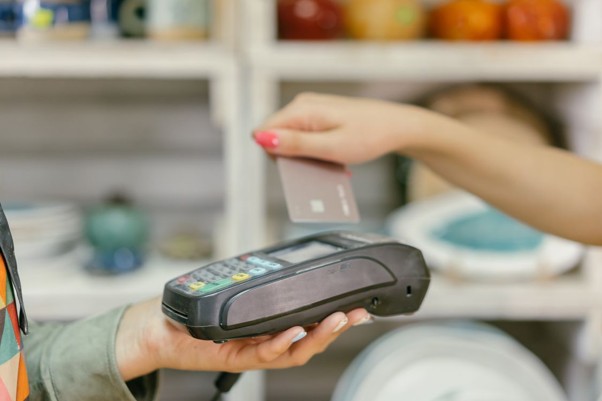
For most of modern sports history, the business of being a fan looked the same everywhere, buy a ticket, buy a jersey, maybe place a bet at a kiosk or through a licensed operator. The transaction was simple because the options were few. That simplicity is disappearing, and not because fans are spending differently in spirit, they still want tickets, merchandise, and a stake in the outcome, but because the infrastructure underneath those purchases has fractured into a dozen competing rails.
The shift is easy to miss because it’s happening at the level of plumbing rather than product. Leagues, ticketing platforms, and sportsbooks haven’t changed what they sell. They’ve changed how money moves to buy it, and that change is having a larger effect on fan behavior than most of the flashier innovations, augmented reality broadcasts, NFT collectibles, in-app fantasy overlays, that tend to dominate the “future of sports” conversation.
Why Payment Rails Matter More Than They Used To
Payment infrastructure used to be invisible by design. A credit card swipe or a bank transfer was the unremarkable last step in a purchase, not a decision point. That’s no longer true. Younger fans, particularly those who came of age with mobile-first banking and decentralized finance as background noise rather than novelty, treat the payment method itself as part of the product experience. Speed, custody, and privacy are now criteria fans weigh alongside price.
This matters commercially because friction at checkout is one of the most reliable predictors of abandoned purchases in any digital marketplace, and live sports commerce is unusually friction-sensitive. A fan deciding whether to place a bet before kickoff, or buy a resale ticket twenty minutes before a match starts, doesn’t have the patience for multi-day settlement times or cross-border card declines. Every additional step between intent and completion is a fan the platform risks losing.
International audiences amplify the problem. A global sports market, Premier League fans in Southeast Asia, NBA fans in Latin America, esports audiences everywhere, and increasingly transactions across borders where traditional banking rails are slow, expensive, or simply unavailable. Platforms that ignored this for years are now rebuilding checkout flows from the ground up.
The Quiet Rise of Alternative Settlement
This is where digital assets have found a genuine, non-speculative use case in sports commerce, separate from the volatility narrative that dominates crypto headlines. For platforms operating internationally, offering fans the option to pay with crypto isn’t a marketing gimmick, it’s a practical response to settlement speed and cross-border cost. A stablecoin transaction clears in minutes regardless of which country the fan is in, without the currency conversion fees or multi-day holds that plague card networks operating across jurisdictions.
Sportsbooks and ticketing marketplaces have been the fastest adopters, largely because their margins are sensitive to both speed and geography in ways that, say, a merchandise store is not. A missed betting window because of a delayed transfer is a lost customer in a way that a delayed hoodie shipment simply isn’t.
The Trade-Offs Nobody Advertises
None of this is frictionless in the other direction. Volatility remains a real operational headache for platforms accepting crypto directly rather than converting immediately at the point of sale, and most serious operators have quietly solved this with instant-conversion middleware rather than by asking fans to absorb price risk. Building that layer isn’t trivial; it requires liquidity partnerships and real-time exchange feeds, which is part of why smaller platforms have been slower to offer the option even when demand exists.
Regulatory clarity also varies wildly by jurisdiction, which means the same platform might offer crypto settlement in one market and quietly withhold it in another, not out of inconsistency but out of necessity. What looks from the outside like strategic hesitation is usually just different regulatory speeds forcing a market-by-market rollout rather than a single global decision.
There’s also a trust gap that older, card-based systems don’t have to overcome. Decades of chargeback protections and consumer law have made card payments feel safe by default; crypto payments still carry the reputational residue of a less regulated era, even as the underlying infrastructure has matured considerably. Platforms adopting these rails are, in effect, spending trust capital to buy speed and reach a trade that makes sense for a global, always-on audience but would be unnecessary overhead for a purely domestic business.
What This Signals About the Next Decade of Fan Commerce
The broader pattern worth watching isn’t crypto specifically; it’s the unbundling of payment choice from platform choice. Fans increasingly expect to transact on their own terms, using whatever rail is fastest and cheapest for their situation, rather than accepting whatever a platform decided was standard a decade ago. Sports commerce, with its time pressure, global audiences, and high purchase frequency, is simply where that expectation is showing up first and most visibly.
This is also reshaping what counts as competitive advantage. Payment flexibility doesn’t necessarily win new fans on its own, but lagging behind on it risks losing fans who’ve already decided elsewhere is more convenient, which is why so many operators have moved on this quietly, treating it as defensive infrastructure as much as a growth lever.
Whether the eventual winner is stablecoins, real-time bank rails, or something not yet built is almost beside the point. The direction is set, businesses built around sports fandom are being forced to treat payment infrastructure as a competitive variable rather than a settled utility, and the ones that adapt fastest are the ones least likely to lose a fan at the exact moment that fan was ready to spend.
