


Outdoor living areas have become one of the most valued parts of a home. A deck is no longer just a platform beside the back door. It is a dining room, a lounge, and sometimes a garden stage all in one. As homeowners look for materials that last longer and respect the environment, composite decking has moved from a niche product to a mainstream choice. Behind every good composite board is a manufacturer whose materials, technology, and quality control decide how well the deck performs. This article explains what to look for in a WPC decking manufacturer, how composite decking benefits the planet, and how it can elevate your home decor.
What Is WPC Decking and How Is It Made?
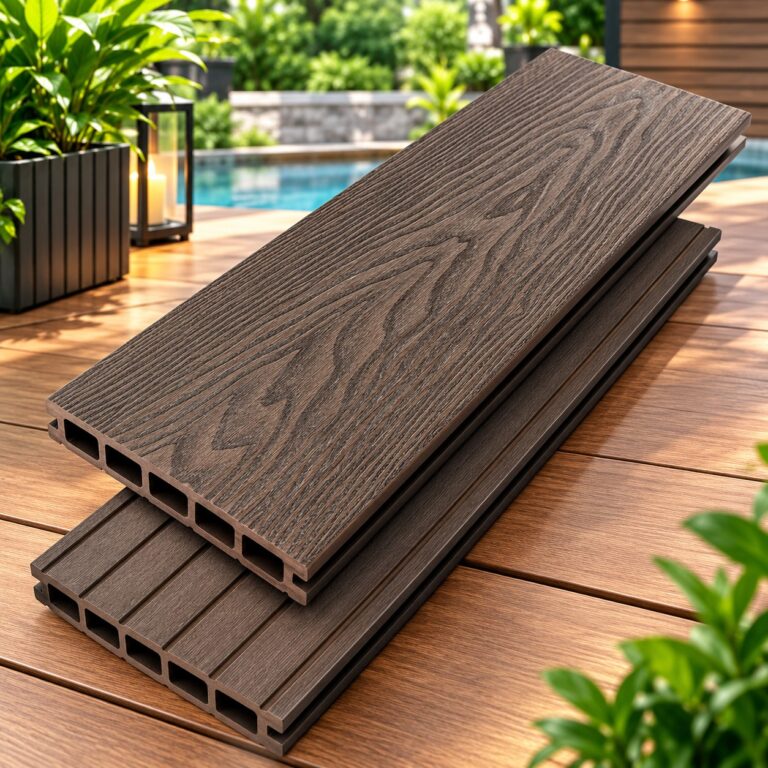
Wood plastic composite is a modern building material that blends wood fibers with recycled plastic and protective additives. If you are new to the category, wpc composite boards are produced by mixing these components under heat and pressure, then shaping them into planks that look like natural timber but behave very differently.
The wood fibers give the boards a warm, natural appearance, while the plastic binds the structure and shields it from moisture. Many boards also receive a protective cap layer, which improves resistance to stains, scratches, and fading. Because the process is controlled in a factory, the finished planks are consistent in size, density, and color, something that is hard to achieve with natural lumber.
Why Homeowners Are Moving Away From Traditional Wood
Natural wood is beautiful, but it demands regular attention. Sanding, staining, and sealing a wooden deck can take several weekends every year, and the costs add up. Wood also tends to warp, crack, splinter, and rot when exposed to rain, humidity, and insects.
Composite decking addresses these frustrations directly. The main advantages include:
- Low maintenance, since a simple wash with soap and water is usually enough.
- Resistance to rot, termites, and mold.
- A splinter free surface that is comfortable for bare feet and pets.
- Strong color stability, even under intense sunlight.
- A long service life that often outlasts untreated or lightly treated timber.
For families with children, rental property owners, or anyone who simply wants to enjoy the deck instead of maintaining it, these benefits are significant.
The Environmental Case for Composite Decking
Sustainability is one of the strongest reasons to consider composite materials. Many manufacturers use reclaimed wood fibers and recycled plastics, diverting waste from landfills and reducing demand for freshly harvested timber. Plastic bags, packaging film, and industrial offcuts that might otherwise pollute the environment can become durable building products.
Longevity also matters for the environment. A deck that lasts twenty years or more means fewer replacements, less waste, and fewer resources consumed over time. Composite boards also eliminate the need for toxic stains, sealants, and preservatives that can wash into soil and waterways. When a manufacturer follows responsible production practices, such as recycling production scraps and managing energy use, the environmental benefit grows further. Homeowners who care about the footprint of their projects should ask any supplier about recycled content, emissions standards, and end of life recycling options.
Buying in Volume: Sourcing for Contractors and Large Projects
Contractors, builders, landscape designers, and distributors often need large quantities of decking, and purchasing directly from a factory can make financial and logistical sense. Sourcing wholesale composite decking allows buyers to secure consistent pricing, keep color batches uniform across big installations, and plan deliveries around project schedules.
Working with a manufacturer rather than a middleman also gives buyers better access to technical data, customization options, and after sales support. When evaluating a supplier, consider minimum order quantities, lead times, available profiles, packaging standards, and warranty terms. A reliable partner should be transparent about all of these points and willing to provide samples before a large commitment.
Decking as a Home Decor Statement
Composite decking is not only practical. It is also a design tool. Modern boards come in a wide range of tones, from soft sand and warm teak to deep walnut and cool gray. Embossed wood grain textures, brushed finishes, and co extruded surfaces give the boards a realistic look without the upkeep of real wood.
A few ideas to bring your deck into your wider decor scheme:
- Match the deck color to your home exterior, picking a lighter tone to make a small space feel larger.
- Use darker boards to create contrast against light colored furniture and planters.
- Add built in benches, planter boxes, and lighting using matching composite pieces for a unified look.
- Mix board widths or laying patterns, such as herringbone or diagonal layouts, to add visual interest.
- Pair the deck with natural elements like potted greenery, stone accents, and woven textiles to soften the space.
Because composite boards stay stable through changing weather, these design choices keep their appearance for years.
What to Check Before Choosing a Manufacturer
Not every composite board is equal, so a careful evaluation pays off. Look for a manufacturer with a proven production track record, clear product specifications, and independent testing for slip resistance, fire performance, and structural strength. Ask about the thickness of the protective cap layer, the ratio of wood fiber to plastic, and the warranty against fading, staining, and structural defects.
It is also wise to review installation guidance, since proper spacing, ventilation, and a sound substructure are essential for a deck that performs as promised. Requesting physical samples lets you judge color, texture, and surface feel in your own lighting before you decide.
Conclusion
Composite decking offers a rare combination of durability, low maintenance, environmental responsibility, and design flexibility. Whether you are upgrading a family backyard or planning a large commercial or residential development, the quality of the manufacturer behind the boards shapes the final result. By understanding how wood plastic composite is made, weighing its environmental benefits, and checking suppliers carefully, you can build an outdoor space that looks good, lasts for years, and respects the planet.
