


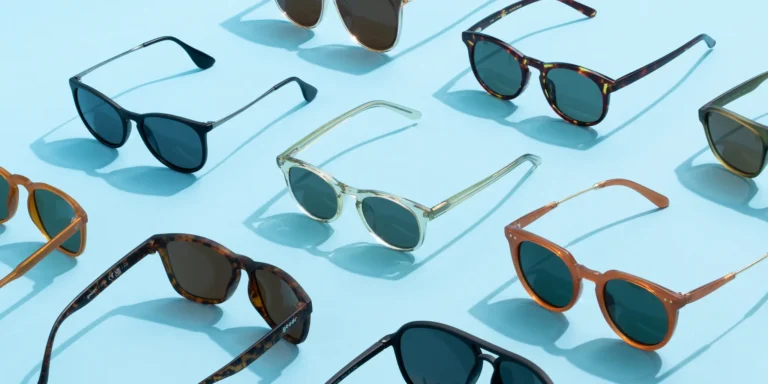
High-end eyewear is a masterclass in retail margins. You are paying for a highly calculated mix of actual material superiority, relentless marketing, and the heavy psychological weight of a recognizable logo. Most optical brands you covet are produced by a handful of massive global conglomerates holding licenses for the fashion houses you recognize. But ignoring the exorbitant price tags entirely doesn’t mean cheap, disposable frames are an equal substitute. Buying quality eyewear requires understanding the strict difference between hand-polished acetate and injection-molded plastic, recognizing legitimate, medical-grade UV protection, and actively dodging a booming, sophisticated counterfeit market.
What Is the Optical Monopoly?
Let’s talk about the modern supply chain. You walk into a brightly lit boutique. You see fifty different luxury brands lining the glass shelves. They look remarkably distinct. The reality is that a staggering percentage of them roll off the exact same assembly lines in Northern Italy, Japan, or Shenzhen. The global luxury eyewear market reached $29.3 billion in 2025, and a surprisingly small handful of holding companies control the lion’s share of that massive revenue pool. They own the brands. They own the manufacturing facilities. They own the retail chains. In some cases, they even own the vision insurance companies dictating your optical coverage.
This isn’t a closely guarded industry secret. It is a highly efficient, ruthlessly optimized machine.
When you buy a pair of designer shades, you are primarily paying for the licensing fee attached to the luxury house’s name. The fashion house didn’t engineer the hinge mechanics. They outsourced the entire eyewear category to an optical manufacturing giant. That giant applies the brand’s logo, inflates the wholesale price by 400%, and ships it to retail locations worldwide.
Yet, consumers keep swiping their cards. The United States holds the largest market share globally for these premium products. People desperately want the logo. They want the heavy, velvet-lined case. The entire ecosystem is built on the proven premise that you will happily pay a massive premium for perceived status and a transient feeling of exclusivity.
How Are Premium Frames Actually Made?
There is a distinct, mechanical difference between a $20 pair of gas station sunglasses and a $400 boutique pair. Injection-molded plastic is cheap. It involves pouring liquid petroleum-based polymer into a steel mold. The result is a brittle, unadjustable frame that will warp if left on a car dashboard in the July sun. You can easily spot injection molding by looking for the tell-tale seam line running along the bottom edge of the frame.
High-end frames use cellulose acetate. Acetate is a hypoallergenic, plant-based plastic derived from cotton linters and wood pulp. It starts its life as a massive, solid block. Precision CNC machines mill the raw frames out of the block, and then they are thrown into rotating wooden barrels filled with pumice and wood chips to tumble for days on end. This slow tumbling process polishes the acetate to a deep, natural gloss that cheap injection molding cannot replicate.
Acetate is malleable. It is flexible. A skilled optician can apply heat and bend it to accommodate the asymmetrical quirks of your specific skull. If you actually care about the latest fashion trends, you will notice that luxury frames possess profound depth and layering in their colors. That is because thin acetate sheets are meticulously stacked and thermally fused before cutting.
The hinges matter just as much as the frame material. Cheap glasses use standard friction hinges pressed hastily into hot plastic. They loosen over time. They inevitably snap. Premium frames utilize five-barrel or seven-barrel hinges riveted straight through the solid acetate, anchored to a wire core shot through the temple arms for structural integrity.
What Lens Materials Are You Staring Through?
The frames hold the lenses, but the lenses do the actual work.
Cheap sunglasses use thin acrylic. Acrylic scratches if you look at it wrong and suffers from terrible optical clarity. Moving up the ladder, you find CR-39. This is a specialized plastic polymer that offers excellent clarity and takes color tints beautifully. It is the industry standard for high-quality, non-prescription fashion sunglasses.
Then there is polycarbonate. Originally developed for aerospace applications, polycarbonate is virtually indestructible. If you drop them on concrete, the lenses will survive. However, polycarbonate scratches easier than CR-39 and has a lower Abbe value—a metric measuring optical distortion.
Finally, mineral glass. Glass offers the absolute best optical clarity known to man. It resists scratches better than any synthetic polymer. The downside? Glass is heavy. It shatters upon heavy impact. If a glass lens breaks while you are wearing it, the results can be catastrophic. Brands reserve glass for specific, heritage-driven aviator or driving styles where optical precision outweighs the extra weight on your nose.
How to Spot a Fake Before You Drop Half a Grand
The secondary market is flooded with meticulously crafted garbage. If you think you scored a massive 60% discount on a sketchy third-party website, you bought a fake. It is that simple. In 2021 alone, German customs authorities seized over 142 million euros in personal accessories and counterfeit sunglasses. The overseas factories producing these illegal replicas have become terrifyingly adept at mimicking the visual cues of European luxury.
They fake the barcodes. They fake the certificates of authenticity. They even perfect the specific, satisfying squeak of the leather case hinges. But they always, without fail, cut corners on the raw materials.
Here is how you catch them.
Look at the etching on the lens. Authentic brands laser-etch their logos or serial numbers directly into the lens material. Run your fingernail over it. If it is raised, it is a cheap screen print masquerading as an etching. If it is perfectly smooth or cleanly recessed, it might be authentic. Check the model numbers printed on the inside of the temple arms. Counterfeiters often print random alphanumeric sequences that do not match the brand’s actual catalog structure.
Weigh them in your hands. Real acetate and mineral glass lenses carry specific, undeniable mass. Fake injection-molded frames feel hollow and remarkably light.
When considering a major purchase, especially if you are hunting for specific designer sunglasses for women, stick exclusively to authorized dealers or the brand’s direct retail channels. The grey market is a high-stakes gamble heavily weighted in favor of the scammer.
Why Does Eye Protection Actually Matter?
We need to talk about radiation. Tinted plastic without UV coating is physically dangerous to your eyes. It is not just a marketing gimmick.
When you wear dark glasses, your pupils naturally dilate to let in more ambient light. If those specific lenses lack full-spectrum UV protection, you are simply opening your pupils wider to absorb unfiltered ultraviolet radiation. It is objectively worse than wearing no sunglasses at all. Your natural squint reflex in bright sunlight would have provided more protection than a cheap pair of tinted plastic shades.
The statistics are grim. According to the Skin Cancer Foundation, at least 10% of cataract cases are attributable to UV exposure. Prolonged exposure directly causes macular degeneration, cataracts, and a highly uncomfortable condition known as photokeratitis—essentially a sunburn on your cornea. It also dramatically accelerates the development of skin cancer on the thin, delicate skin of your eyelids.
Quality lenses block 100% of UVA and UVB rays.
They also frequently offer polarization. Understand this: polarization has absolutely nothing to do with UV protection. It is a separate chemical film applied to the lens that strictly blocks horizontal light waves. It cuts the blinding glare reflecting off asphalt, snow, or water. If you drive frequently, ski, or spend time on boats, polarization reduces eye strain significantly. If you stare at LCD screens all day, polarized lenses will make the screens look completely black. Choose your lens tech based on your actual daily activities.
How to Build a Rational Accessory Strategy?
Nobody needs thirty pairs of sunglasses. Fast fashion conditioning aggressively pushes consumers to treat eyewear as disposable. You lose a pair at a bar. You buy another cheap pair the next day at a pharmacy. This creates an exhausting cycle of endless micro-transactions for decidedly inferior goods.
A disciplined approach to luxury lifestyle choices dictates buying fewer, radically better things. One pair of classic, well-constructed frames will outlast twenty pairs of fast-fashion junk.
Consider your face shape mathematically. Round faces benefit from sharp, angular frames to add definition. Square faces look better in round or teardrop aviator styles to soften the jawline. But ignore the rules entirely if a particular frame fits your nasal bridge perfectly. The bridge fit dictates everyday comfort. If the glasses slide down your nose every time you look at your phone, the fit is fundamentally wrong. No amount of heat adjustment will fix a keyhole bridge that is too wide for your specific bone structure.
Calculate the cost per wear. A $350 pair of glasses worn every single day for three years costs pennies a day. That is the only math that matters when evaluating consumer goods.
Check a curated accessories guide before committing cash to a trend. See what styles endure decades of shifting tastes. Classic aviators, chunky wayfarers, and sophisticated clubmasters have existed for half a century because their geometric proportions work on the human face. Neon green shield glasses will look ridiculous in six months.
The Bottom Line
Marketing departments desperately want you to believe a gold foil logo validates your existence and elevates your social standing. It doesn’t. You are buying a highly functional tool meant to protect your vision, shield your retinas from radiation, and occasionally hide a severe hangover. Understand the murky supply chain manipulating the prices. Demand solid acetate frames and riveted wire core hinges. Insist on absolute, documented UV protection. Leave the cheap plastic on the gas station turnstile where it belongs.
