


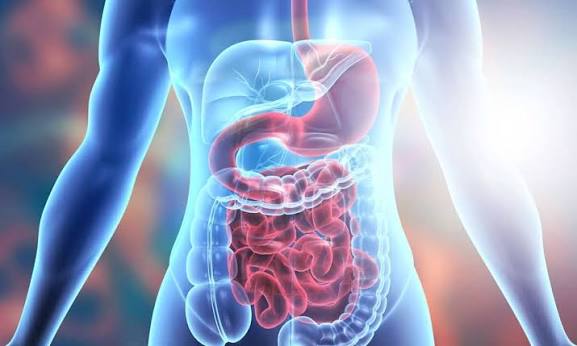
Have you ever noticed that your mood changes when your stomach is unsettled? That connection is not just your imagination. The gut-brain connection describes the constant communication between the digestive system and the brain, influencing everything from stress responses to emotional well-being. Supporting digestive health through a balanced diet, regular physical activity, adequate sleep, hydration, and stress management can help support overall wellness.
According to the World Health Organization, nearly 1 in 7 people worldwide were living with a mental health disorder in 2021. While digestive health is only one factor that can influence mood, research into the gut-brain axis shows how closely different systems in the body interact.
What Is the Gut-Brain Connection?
The gut and brain communicate through several pathways, including the nervous system, immune system, hormones, and chemical signals produced by gut microbes. This complex relationship is commonly known as the gut-brain axis.
The digestive tract contains trillions of microorganisms that make up the gut microbiome. These microbes help break down certain foods and produce compounds that interact with processes involved in immune and brain function.
How Digestive Health Can Influence Mood
The Role of the Gut Microbiome
A diverse gut microbiome supports normal digestive function and contributes to several processes throughout the body. Diet, stress, sleep, medications, and other lifestyle factors can all influence the balance of microorganisms in the digestive tract.
This does not mean that improving gut health can cure anxiety, depression, or other mental health conditions. Instead, digestive health should be viewed as one part of a broader approach to physical and emotional well-being.
Stress Can Affect Digestion Too
The relationship works in both directions. Stress can influence digestion, sometimes contributing to changes in appetite, bowel habits, bloating, or stomach discomfort.
This explains why emotional stress can sometimes produce noticeable physical sensations in the digestive system. Managing stress through regular movement, relaxation techniques, sufficient sleep, and meaningful social connections may support both digestive and emotional health.
Everyday Ways to Support Digestive Health
A varied diet containing vegetables, fruits, whole grains, legumes, and other fiber-rich foods can support healthy digestion. Fermented foods may also be included as part of a balanced eating pattern when they are suitable for the individual.
Regular physical activity, adequate hydration, and consistent sleep can further contribute to overall wellness. Anyone experiencing persistent digestive symptoms or significant changes in mood should speak with a qualified healthcare professional rather than relying solely on dietary or lifestyle changes.
Why Access to Healthcare Matters
Healthy lifestyle choices are important, but they cannot replace appropriate medical care when someone is dealing with a serious health concern. Unfortunately, financial barriers can prevent people from receiving timely diagnosis and treatment.
Organizations such as Transparent hands Foundation help improve access to essential healthcare for underserved patients, demonstrating how community support can make medical treatment more accessible to people who need it.
Supporting Health Beyond Your Own Community
Healthcare challenges are not limited to one country or community. Many families struggle to afford necessary medical treatment, making charitable support an important source of assistance.
Those who want to contribute to healthcare initiatives can pay Zakat online to support individuals facing difficult circumstances and help expand access to essential medical care.
Conclusion
The gut-brain connection highlights how closely different aspects of health are linked. Digestive function, nutrition, stress, sleep, and emotional well-being can influence one another in complex ways. Taking care of your digestive health through consistent healthy habits, while seeking professional advice when problems persist, can contribute to better overall well-being. Small changes made today can become valuable habits that support a healthier body and mind in the years ahead.
