


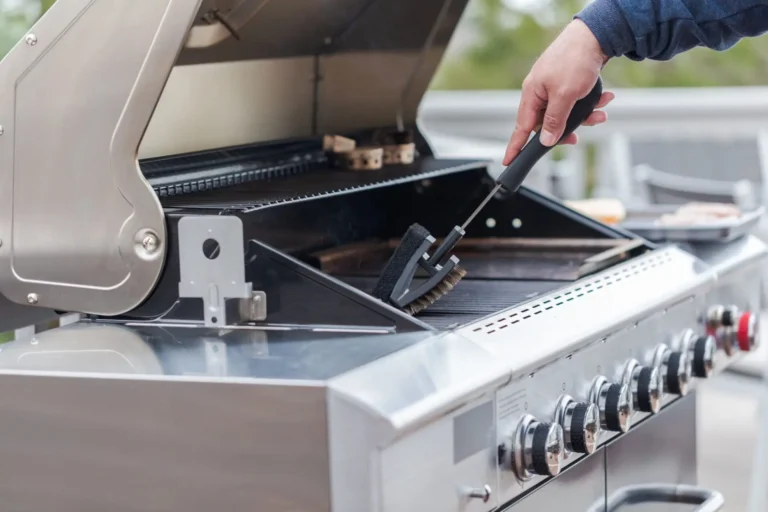
A propane grill makes outdoor cooking convenient, but regular cleaning and maintenance are essential for keeping it ready for the next barbecue. Grease, food residue, smoke deposits, and weather exposure can gradually affect a grill’s performance. A simple maintenance routine can help keep the cooking surface cleaner, support consistent heating, and extend the useful life of your equipment.
Whether you use your propane grill every weekend or only during the warmer months, knowing how to clean and inspect it properly can make outdoor cooking easier and more enjoyable. The following guide explains practical steps for keeping your propane grill clean, organized, and ready for your next meal.
Why Regular Grill Cleaning Matters
Every time you cook, grease and food particles can accumulate on the grates and other components. If this residue is left for long periods, it can become increasingly difficult to remove.
Regular cleaning can help:
- Maintain a cleaner cooking surface
- Reduce accumulated grease
- Improve cooking consistency
- Minimize unpleasant odors
- Make future cleaning easier
- Help identify worn or damaged components
A clean grill is also easier to inspect. Problems such as damaged grates, clogged burner openings, or deteriorating parts are easier to notice when the grill is free of heavy buildup.
Gather the Right Cleaning Supplies
Before starting, gather the appropriate tools for your grill. Basic supplies may include a grill brush or scraper approved for your grill type, microfiber or other suitable cloths, warm soapy water, a bucket, gloves, and a non-abrasive sponge.
Avoid using cleaning products that are not suitable for your grill’s materials. Always follow the manufacturer’s cleaning recommendations.
If your grill has special coatings or components, check the owner’s manual before using abrasive tools or chemical cleaners.
Start With Safety
Safety should always come before cleaning. Turn the grill off and allow it to cool completely before performing detailed maintenance.
If the grill has recently been used, wait until the cooking surfaces and surrounding components have cooled sufficiently. Follow the manufacturer’s instructions regarding the propane cylinder and fuel system.
Do not attempt to repair gas components unless you are qualified to do so. If you notice a suspected gas leak, damaged hose, damaged regulator, or another potentially hazardous problem, stop using the grill and follow the manufacturer’s safety guidance.
Clean the Cooking Grates
The cooking grates are usually the first area that requires attention. Food particles and grease can remain on the surface after cooking.
Follow the grill manufacturer’s instructions for cleaning your specific grate material. Some grates may be suitable for particular cleaning methods, while others require more careful treatment.
Remove loose debris using an appropriate grill brush or scraper. For stubborn residue, use a cleaning method recommended by the manufacturer.
After cleaning, dry the grates thoroughly if required by the manufacturer’s instructions.
Remove Grease Carefully
Grease can collect beneath the cooking surface and eventually accumulate in the grill’s grease management system.
Regularly inspect the grease tray, drip pan, or collection container. Remove accumulated grease according to the manufacturer’s instructions.
Never allow large amounts of grease to build up. Excessive grease can create a fire hazard, particularly when exposed to high cooking temperatures.
Dispose of grease responsibly and never pour cooking grease down household or outdoor drains.
Clean the Inside of the Grill
The interior of a propane grill can develop carbon deposits and food residue over time. Once the grill is cool, inspect the interior and remove loose debris using appropriate tools.
Do not unnecessarily remove components that are difficult to reinstall. Follow the owner’s manual when cleaning around burners, ignition systems, and other internal parts.
Avoid blocking burner openings with debris or cleaning materials.
Inspect the Burners
Burners are essential to consistent grill performance. During routine maintenance, visually inspect them for signs of damage, corrosion, or blockage.
Burner openings can become obstructed by grease and debris. If cleaning is necessary, use only the method recommended by the manufacturer.
Never modify burner components or attempt to enlarge burner openings. If a burner appears damaged or does not operate correctly, consult the manufacturer or a qualified professional.
Check the Ignition System
A propane grill should ignite consistently when its ignition system is functioning properly.
If you notice delayed ignition, unusual clicking, or difficulty lighting the burners, consult the owner’s manual.
Do not repeatedly attempt ignition if the burner does not light as expected. Turn the controls off and follow the manufacturer’s instructions for safely addressing ignition problems.
Replacing certain ignition components may be straightforward, but gas-related repairs should be handled appropriately.
Inspect the Propane Hose and Connections
The propane hose and connections deserve regular attention. Look for visible cracks, deterioration, abrasion, or other signs of damage.
If anything appears damaged, do not use the grill until the problem has been evaluated and resolved according to the manufacturer’s instructions.
Never ignore the smell of propane. If you suspect a gas leak, turn off the fuel supply when it is safe to do so, avoid flames and ignition sources, and follow appropriate emergency and manufacturer guidance.
Keep the Exterior Clean
The outside of your propane grill can collect grease, dust, fingerprints, pollen, and dirt. Wipe exterior surfaces with an appropriate cleaner recommended for the material.
Stainless steel, painted metal, and other surfaces may require different cleaning approaches. Avoid harsh products that could damage protective finishes.
Keeping the exterior clean also makes it easier to spot rust, corrosion, loose hardware, or other problems.
Protect Your Grill From Weather
Weather can affect outdoor cooking equipment even when it is not being used. Rain, humidity, sunlight, dust, and snow can contribute to corrosion and deterioration.
A properly fitted, weather-resistant grill cover can provide additional protection when the grill is not in use.
Before covering the grill, make sure it is completely cool and dry. A cover should be suitable for the specific grill and allow appropriate ventilation according to the manufacturer’s recommendations.
Keep the Grill Area Organized
A clean grill is easier to maintain when the surrounding area is organized. Keep cooking utensils, brushes, thermometers, and other accessories stored in a clean, dry location.
Avoid placing flammable materials near the grill. Maintain appropriate clearance from walls, fences, vegetation, furniture, and other combustible objects according to the manufacturer’s instructions.
An organized grilling station also makes it easier to prepare food efficiently.
Establish a Cleaning Routine
The best maintenance strategy is consistency. Instead of waiting until the grill becomes heavily soiled, perform small cleaning tasks regularly.
After each cooking session, follow the manufacturer’s recommended procedure for cleaning the grates and removing food debris.
Every few uses, inspect the grease collection area and interior.
At longer intervals, perform a more thorough inspection of burners, hoses, connections, ignition components, hardware, and exterior surfaces.
The exact maintenance schedule depends on how frequently the grill is used and the manufacturer’s recommendations.
Prepare Your Grill for Long-Term Storage
If you will not use your propane grill for an extended period, clean it thoroughly before storage.
Remove food residue and grease, clean the appropriate components, and ensure everything is completely dry.
Follow the manufacturer’s instructions for propane cylinder storage. Propane cylinders should be stored outdoors in a safe, well-ventilated location away from ignition sources and according to applicable requirements.
Do not store propane cylinders in enclosed indoor areas such as basements, garages, or sheds unless specifically permitted by applicable safety guidance.
Know When Parts Need Replacement
Cleaning cannot restore components that are worn out or damaged. Periodically inspect grates, burners, heat shields, grease trays, hoses, wheels, fasteners, and other parts.
If a component is cracked, severely corroded, damaged, or no longer functioning correctly, consult the manufacturer for an appropriate replacement.
Using compatible replacement parts helps maintain the grill’s intended operation.
Keep Your Propane Grill Ready
A clean grill is more convenient when you want to cook without spending a long time preparing the equipment. After every use, make a habit of removing food residue, checking for grease accumulation, and returning tools to their storage location.
Before a planned barbecue, inspect the fuel supply and make sure the cooking area is clean and ready.
This simple preparation can reduce last-minute problems and allow you to focus on preparing the meal.
Conclusion
Knowing how to keep your propane grill clean and ready can make outdoor cooking more convenient while supporting the longevity and performance of your equipment. Regularly cleaning the cooking grates, managing grease, inspecting burners and connections, protecting the exterior, and using an appropriate grill cover are all valuable maintenance practices.
Most importantly, always follow the manufacturer’s instructions for cleaning, propane handling, storage, and component maintenance. Do not use a grill with suspected gas leaks or damaged fuel-system components.
With a consistent cleaning routine and regular inspections, your propane grill can remain a dependable part of your outdoor cooking setup, ready for family dinners, weekend barbecues, and backyard gatherings throughout the grilling season.
