


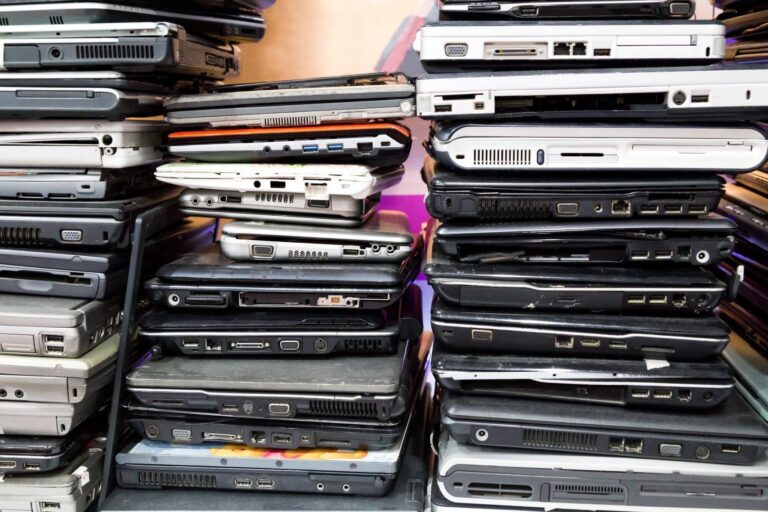
Technology changes fast, and new gadgets appear every year. As people upgrade their phones, computers, and televisions, old devices often end up forgotten in drawers or closets. Eventually, many of these items end up in the trash.
Electronic waste, also known as e-waste, is currently one of the fastest-growing waste streams on the planet. Throwing old electronics into regular garbage causes serious harm to the environment. Learning how to responsibly dispose of old electronics helps protect nature, saves valuable resources, and keeps your living space organized.
Continue reading to discover everything you need to know!
Best Options for Disposing of Unwanted Electronics
You have several practical options when you are ready to get rid of old electronics. The right choice depends on whether your device still works and how much time you have available.
First, consider selling or trading in devices that still function well. Many companies buy used gadgets, refurbish them, and sell them to new owners. If you want to upgrade your current mobile device, you can trade iphone in for cash to earn extra money while keeping your old phone out of a landfill, and this option extends the life cycle of electronics and gives someone else access to affordable technology.
Second, donating working electronics is a great way to help your community. Local schools, libraries, non-profit organizations, and community centers often accept gently used computers and tablets.
Third, if your device is broken beyond repair, take it to a certified e-waste recycler. Many retail electronics stores offer free drop-off bins for old cables, batteries, and small appliances.
Why Proper Electronics Recycling Matters
Old electronics contain materials that can harm the earth if people throw them away improperly. Devices like smartphones, laptops, and monitors contain heavy metals such as lead, mercury, and cadmium.
When electronics sit in landfills, these toxic substances slowly seep into the soil and pollute underground water supplies. This pollution harms wildlife, damages natural ecosystems, and can eventually impact human health.
At the same time, electronics contain valuable raw materials. Gold, silver, copper, and palladium exist inside circuit boards. When you recycle old gadgets, manufacturers can extract these metals and reuse them to build new products.
- Toxic metals poison landfill soil.
- Recycling recovers valuable precious metals.
- Proper care protects clean water.
- Cleaner habits help local communities.
Important Steps Before Disposing of Tech
Before you hand over your old devices, you must protect your personal information. Smartphones, tablets, and computers store sensitive data like passwords, bank details, and personal photos.
Start by backing up all important files to a secure cloud service or an external hard drive. Next, sign out of all your personal accounts and apps. Finally, perform a full factory reset on the device to clear all remaining data.
If your device uses a SIM card or memory card, remove it before recycling or selling the unit.
- Save key files to the cloud.
- Wipe all personal data completely.
- Remove SIM cards and accessories.
- Unlink accounts from the device.
Giving Old Electronics a New Purpose
Disposing of old electronics responsibly is a simple action that creates a big positive impact on the environment. Whether you sell, donate, or recycle your old gadgets, you help keep harmful toxic waste out of landfills and reduce the demand for raw material mining. Take a few minutes today to check your home for unused electronics, clean your data, and choose a sustainable disposal method.
If you’d like to learn more, check out more articles on our blog. Looking for more tips and ideas? We’ve got you covered. Check out some of our other posts now.
