


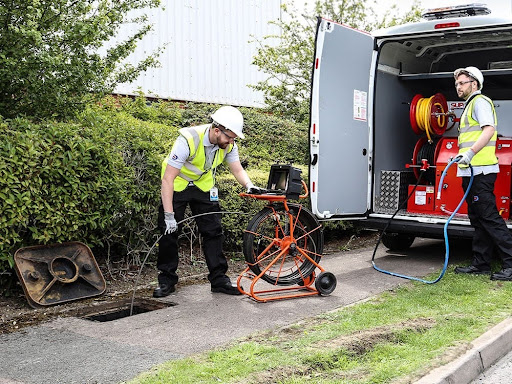
A drainage problem can become disruptive before it becomes visually dramatic. A drain survey is particularly useful when symptoms repeat, the pipe route is uncertain or a property owner wants evidence before repair. In London, older pipework, dense development and shared drainage runs can make the cause harder to identify from surface symptoms alone. A useful response therefore combines immediate control with enough investigation to understand what is happening inside the system.
Read the Symptoms Before Acting
The first step is to read the pattern of symptoms. One slow fixture may point to a local restriction, while several affected sinks, toilets or gullies can indicate a deeper line problem. Odours, gurgling, rising water and repeated loss of flow all provide clues that help narrow down the likely location before equipment is used.
drain survey London is most useful when the engineer links those symptoms to a practical diagnosis instead of treating every blockage in the same way. The objective should be to restore flow, identify the likely cause and explain whether any further inspection is justified. That gives the property owner a clearer basis for deciding what to do next.
Choose the Right Clearance Method
If water is backing up, reduce use of the affected fixtures where possible. Repeated flushing, running appliances or emptying large volumes of water can increase pressure behind the restriction and create an overflow elsewhere. In commercial premises, staff should know which facilities are affected so the problem is not made worse while help is being arranged.
Mechanical rods, cutting tools and high-pressure water jetting all have a place, but the method should match the obstruction and condition of the pipe. Grease, silt, wipes, scale, roots and structural damage behave differently. A competent engineer should choose the least disruptive method likely to clear the line effectively.
Investigate Recurring Problems
A good clearance aims to restore a useful bore through the pipe rather than create a small temporary opening. Partial clearance can allow water to move again while leaving material around the edges that quickly catches more debris. This is one reason some drains appear fixed for a few days before failing again.
Repeated blockages deserve a different level of attention. If the same section fails again after clearance, the pattern may indicate root ingress, a displaced joint, poor gradient, a damaged section or a place where deposits repeatedly accumulate. Continuing to clear the symptom can become more expensive than investigating the cause.
Use CCTV Evidence When Needed
CCTV inspection can provide that evidence after the line is clean enough for a clear view. A camera can show cracks, roots, deposits, displaced joints and unexpected connections. It can also help locate the affected section more accurately, reducing the need for excavation based on guesswork.
London properties often connect into shared drainage systems. A restriction can sometimes sit beyond the immediate property or affect more than one premises. External chambers, manholes and gullies can help trace where flow stops and whether the problem appears to be on a private or shared section.
Consider Shared Drainage
The same information is useful before building work. Extensions, landscaping and older alterations can change or obscure drainage routes. Mapping and inspection can help prevent accidental damage and preserve access for future maintenance.
Prevention depends partly on how the system is used. Fats, oils, wipes and unsuitable materials should be kept out of drains, while external gullies should be kept clear of leaves, soil and building debris. These habits do not prevent structural defects, but they reduce avoidable restrictions.
Plan Preventative Maintenance
Commercial and high-use properties may benefit from planned maintenance. Restaurants, offices and multi-occupancy buildings can place heavy demand on drainage, so scheduled jetting or inspection may be more economical than repeated emergency call-outs. The frequency should be based on actual condition and usage rather than a generic timetable.
Documentation also helps. A short record of when a blockage occurred, which fixtures were affected and what method cleared it can reveal patterns over time. Where several call-outs involve the same section, that history can support a more informed decision about inspection or repair.
Keep Useful Records
Not every defect found on a camera requires immediate repair. Older pipes may show wear while still functioning adequately. The value of a survey lies in separating urgent issues from minor observations and explaining the practical consequences of each finding.
Clear communication should continue after the blockage is gone. The property owner should understand what caused the problem, what the engineer did and whether the pipe appears otherwise sound. If further work is recommended, the reason should be connected to evidence rather than a general assumption.
Ask for Clear Recommendations
Quick Clear Drainage or another experienced drainage provider should help the client distinguish between routine maintenance, further investigation and repair. The second-last consideration is whether the recommendation is proportionate to what was actually found and whether it reduces the risk of another failure.
Good drainage management combines fast response with accurate diagnosis. Camera evidence can turn an uncertain drainage problem into a targeted maintenance or repair decision. When property owners act on early warning signs, use appropriate clearance methods and investigate recurring faults, they can reduce disruption, avoid unnecessary excavation and make better long-term decisions about the system. Preventative checks can also reveal developing restrictions before they become urgent, costly or disruptive, giving owners more control over maintenance timing and repair budgets. Preventative checks can also reveal developing restrictions before they become urgent, costly or disruptive, giving owners more control over maintenance timing and repair budgets. Preventative checks can also reveal developing restrictions before they become urgent, costly or disruptive, giving owners more control over maintenance timing and repair budgets. Preventative checks can also reveal developing restrictions before they become urgent, costly or disruptive, giving owners more control over maintenance timing and repair budgets. Preventative checks can also reveal developing restrictions before they become urgent, costly or disruptive, giving owners more control over maintenance timing and repair budgets. Preventative checks can also reveal developing restrictions before they become urgent, costly or disruptive, giving owners more control over maintenance timing and repair budgets. Preventative checks can also reveal developing restrictions before they become urgent, costly or disruptive, giving owners more control over maintenance timing and repair budgets.
