


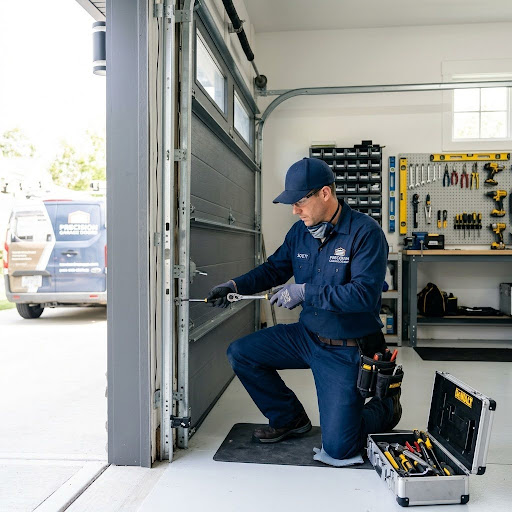
Your garage door is one of the hardest-working parts of your home. It opens and closes thousands of times a year, shields your vehicles from the elements, and plays a bigger role in your home’s security than most people realize. Yet it’s rarely thought about—until something goes wrong.
That’s when priorities shift fast. A door that won’t open leaves you trapped. A broken spring makes the whole system unsafe to operate. A misaligned track turns a 10-second task into a frustrating ordeal. The good news? These problems don’t have to spiral into costly headaches when you have the right team on call.
The Real Cost of Ignoring Garage Door Maintenance
Skipping routine maintenance might seem harmless. After all, if the door opens and closes, why worry? The reality is that most garage door failures don’t happen suddenly—they build up over time. Springs wear down. Cables fray. Rollers lose lubrication. What starts as a minor squeak or a slight delay in response can escalate into a complete system failure.
Replacement costs for major components can run significantly higher than the price of a simple tune-up. Beyond the financial side, a malfunctioning garage door creates real safety risks. Torsion springs, in particular, are under enormous tension and should never be handled without professional training and tools.
Proactive service doesn’t just extend the life of your garage door system—it protects your household.
Common Garage Door Problems That Demand Professional Attention
Some issues are obvious. Others are easy to overlook until they become urgent. Here are the most common problems homeowners face:
Broken or Worn Springs
Torsion and extension springs bear the full weight of the door each time it moves. When they snap—and they do snap—the door can come crashing down. Signs of wear include uneven lifting, loud banging noises, or a door that feels unusually heavy when manually operated.
Damaged Panels
Whether from an accidental collision or years of weather exposure, dented or cracked panels affect more than just curb appeal. Structural damage to panels can compromise the door’s insulation and alignment, making the entire system less efficient and more vulnerable.
Faulty Openers and Sensors
Modern garage door openers are sophisticated systems. If your door reverses unexpectedly, doesn’t respond to the remote, or hesitates mid-operation, the opener or its safety sensors may be malfunctioning. These aren’t just inconveniences—they’re potential safety hazards.
Misaligned Tracks
Tracks guide the door smoothly along its path. Bends, gaps, or obstructions in the track force the door to operate unevenly, putting extra strain on the motor and other components. Left unaddressed, this can cause the door to come off the track entirely.
Worn Weatherstripping
The rubber seal at the bottom and sides of your garage door keeps out rain, pests, and drafts. Over time, it cracks and stiffens, reducing your garage’s ability to maintain temperature and stay dry.
What a Professional Garage Door Service Includes
A thorough garage door service visit covers far more than just fixing what’s broken. Trained technicians inspect the entire system—springs, cables, rollers, tracks, hinges, opener, and sensors—to identify anything that’s wearing out before it fails.
Lubrication of moving parts reduces friction and noise. Tension adjustments ensure the door operates safely and smoothly. Balance tests confirm the door isn’t putting unnecessary strain on the opener. And safety checks verify that auto-reverse and motion sensors are responding correctly.
The result is a system that operates more quietly, lasts longer, and gives you confidence every time you pull in or out of the driveway.
Why Garage Door Installation Deserves the Same Care
Installing a new garage door is one of the most impactful upgrades a homeowner can make. It accounts for a significant portion of a home’s exterior appearance and directly affects energy efficiency, noise insulation, and resale value.
But installation is not a DIY project. Garage doors can weigh hundreds of pounds. Correct spring tensioning requires precision tools and experience. A door installed incorrectly can bind, warp, or fail prematurely—and could even pose serious injury risks.
Professional installation ensures the door is fitted to the exact dimensions of the opening, the opener is calibrated correctly, and every safety feature functions as designed. It’s the difference between a door that performs flawlessly for decades and one that causes problems from day one.
Choosing the Right Garage Door for Your Home
The variety of garage door styles and materials available today is genuinely impressive. Homeowners can choose from steel, wood, aluminum, fiberglass, and composite options—each with different strengths depending on climate, aesthetics, and budget.
Steel doors are popular for their durability and low maintenance requirements. They’re available in insulated versions that help regulate garage temperatures.
Wood doors deliver unmatched natural beauty but require more upkeep to prevent warping and moisture damage.
Aluminum doors are lightweight and resistant to rust, making them a strong choice in coastal climates.
Carriage-style doors offer a classic, architectural look without sacrificing the convenience of modern operation.
A knowledgeable technician can help you navigate these options based on your specific home, climate, and preferences—so you get a door that looks great and performs reliably for years.
- The Value of Having a Trusted Service Team on Your Side
- Expert Garage Door Service delivers the kind of comprehensive, attentive care that takes the stress out of owning and maintaining a garage door system—handling everything from routine inspections and emergency repairs to full installations with the precision and professionalism your home deserves.
- There’s real peace of mind in knowing exactly who to call when something goes wrong. No scrambling for referrals, no guessing whether a technician is qualified, no uncertainty about pricing. A trusted service team means fast response times, honest assessments, and work done right the first time.
- That consistency matters. Garage door problems rarely happen at convenient moments. Having a reliable service partner means problems get resolved quickly, with minimal disruption to your routine.
- Your Garage Door Deserves More Attention Than It Gets
- It’s easy to take a smoothly functioning garage door for granted. But the moment it stops working, everything else waits. Regular service, prompt repairs, and quality installation are what keep that system dependable year after year.
- The right team brings expertise, the right tools, and a genuine commitment to getting the job done properly. Your garage door works hard every single day—it deserves the same level of care in return.
Frequently Asked Questions
How often should a garage door be serviced?
Most manufacturers and technicians recommend a professional tune-up once a year. Homes with heavy daily use may benefit from a service visit every six months.
How long does a garage door last?
With proper maintenance, a quality garage door can last 15 to 30 years. Springs typically need replacement every 7 to 10 years, depending on usage.
Can a broken garage door spring be fixed the same day?
In most cases, yes. Experienced technicians typically carry common spring sizes and can complete a replacement during a single visit.
Is a noisy garage door always a sign of a serious problem?
Not always, but noise is worth investigating. Grinding, rattling, or squeaking often signals worn rollers, loose hardware, or a lack of lubrication—issues that are easy to fix early but worsen with time.
What’s the difference between a torsion spring and an extension spring?
Torsion springs are mounted horizontally above the door and wind up as the door closes. Extension springs run along the sides of the door and stretch as it closes. Both types are critical to safe operation and should only be handled by trained professionals.
