


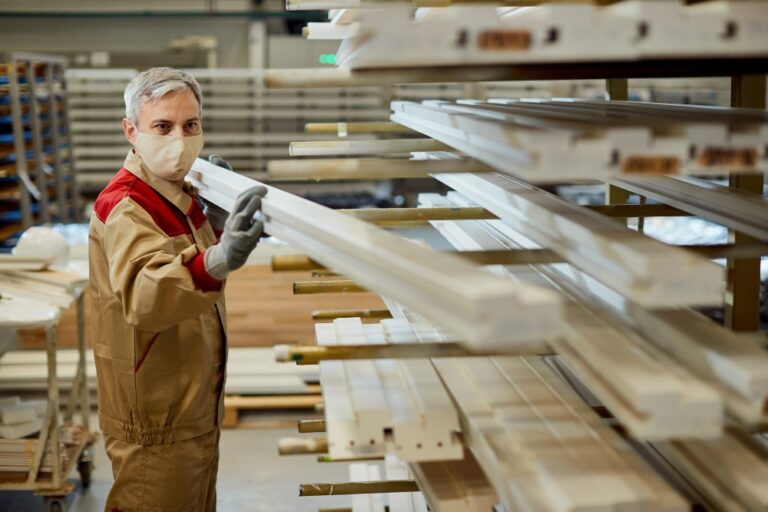
Construction and renovation projects operate under constant pressure to reduce costs, accelerate timelines, and minimize waste while maintaining quality standards that satisfy clients and comply with regulations. Every hour spent on-site costs money through labor, equipment rental, and project delays affecting subsequent trades. Material waste directly impacts profitability while contributing to environmental concerns that increasingly influence building practices and client expectations. Custom timber cutting services address both challenges simultaneously, transforming how efficient builders approach material procurement and project execution. Understanding the multifaceted benefits of precision-cut plywood reveals why this service increasingly represents standard practice rather than premium option for projects prioritizing efficiency, quality, and profitability.
The Hidden Costs of On-Site Cutting
Traditional building practices assume on-site cutting as an inevitable component of construction workflows, but this acceptance masks significant inefficiencies that custom cutting services eliminate.
Labor time spent measuring, marking, and cutting materials diverts skilled tradespeople from higher-value tasks requiring their expertise. A carpenter earning $60-80 per hour generates minimal value spending hours making repetitive cuts that cutting services accomplish for a fraction of that cost. This labor misallocation becomes particularly problematic when projects face tight timelines where every tradesperson hour matters.
Equipment requirements for accurate cutting include table saws, circular saws, straight edges, measuring tools, and dust extraction systems. These tools represent capital investments requiring maintenance, storage, and transportation between job sites. Smaller contractors and renovation specialists particularly feel this burden, where equipment costs and storage space significantly impact overhead expenses.
Measurement errors and cutting mistakes create material waste requiring replacement purchases, additional cutting time, and project delays while correct pieces are fabricated or delivered. Even experienced tradespeople make occasional errors—fatigue, distractions, or simple miscalculation result in unusable pieces that damage project budgets and timelines.
Site preparation for cutting operations consumes space needed for other activities while creating dust and noise that disrupt work and potentially violate site regulations or lease agreements in occupied buildings. Dust control becomes particularly challenging in renovation projects within operating businesses or occupied residences where maintaining clean environments matters to clients.
Safety risks from operating cutting equipment on construction sites include blade contact injuries, kickback incidents, and respiratory hazards from sawdust exposure. While proper training and equipment minimize these risks, eliminating unnecessary cutting operations removes hazards entirely rather than simply managing them.
Precision and Consistency Through Professional Cutting
Commercial cutting facilities equipped with CNC machinery and experienced operators deliver accuracy and repeatability impossible with on-site manual cutting.
Tolerances measured in millimeters ensure pieces fit precisely without gaps, overlaps, or field adjustments consuming time and compromising finish quality. This precision proves particularly valuable for cabinetry, built-in furniture, and architectural millwork where tight tolerances separate professional results from amateur work.
Repeatability for multiple identical pieces guarantees consistency across projects requiring numerous components of identical dimensions. Cabinet backs, shelf panels, drawer bottoms, or modular components emerge with identical dimensions rather than the slight variations inevitable in manual cutting, even by skilled operators.
Complex cuts including curves, angles, notches, and specialty profiles execute reliably using programmable equipment incapable of manual replication. These capabilities expand design possibilities, enabling architectural features and custom elements that manual cutting methods render impractical or prohibitively expensive.
Edge quality from professional cutting equipment surpasses hand-tool results, often eliminating or significantly reducing edge treatment requirements. Clean, square cuts with minimal tear-out reduce or eliminate sanding, edge banding application, or other finishing steps that consume labor time.
Material Optimization and Waste Reduction
Professional cutting services optimize material usage through sophisticated software calculating efficient cutting patterns that minimize waste.
Nesting algorithms arrange required pieces on standard sheet sizes maximizing usable material while minimizing offcuts. These computer-optimized layouts achieve material efficiency impossible through manual planning, where even experienced fabricators cannot visualize and compare hundreds of potential arrangements identifying the most efficient configuration.
Offcut utilization for smaller project components reduces overall material purchases. Plywood cut to size services often identify opportunities using remnants from large pieces for smaller components, capturing value from material that on-site cutting would treat as scrap.
Accurate quantity calculations based on precise requirements prevent over-ordering that ties up capital in unused materials while under-ordering creates project delays and additional delivery charges. Professional cutting services verify dimensions and quantities before processing orders, catching errors that would otherwise create problems during installation.
Environmental benefits from reduced waste align with sustainable building practices increasingly important to environmentally conscious clients and projects pursuing green building certifications. Demonstrating measurable waste reduction provides tangible evidence of environmental responsibility that marketing materials and client communications can leverage.
Logistical Advantages and Project Scheduling
Custom-cut materials arrive ready for installation, streamlining logistics and enabling more predictable project scheduling.
Vehicle capacity optimization allows transporting more usable material per trip when custom-cut pieces stack efficiently compared to full sheets requiring larger vehicles or multiple trips. This efficiency particularly benefits urban projects where parking and access limitations complicate deliveries.
Storage space requirements decrease dramatically when materials arrive cut to size rather than full sheets requiring secure storage areas protecting against weather, theft, and damage. Renovation projects in occupied buildings particularly benefit from minimal material footprints that don’t overwhelm available space.
Installation sequencing becomes more predictable when materials arrive ready for use rather than requiring on-site fabrication before installation. This predictability improves scheduling accuracy, coordination with other trades, and client communication about project timelines.
Weather delays from outdoor cutting operations eliminate entirely, maintaining productivity during conditions that would otherwise halt work. Interior projects particularly benefit from avoiding dust and noise that outdoor cutting generates when weather forces these operations indoors.
Cost Analysis and Return on Investment
While custom cutting services add costs compared to purchasing full sheets, comprehensive analysis reveals compelling economic advantages.
Labor savings from eliminating cutting time typically exceed cutting service charges, particularly when accounting for full labor burden including benefits, insurance, and overhead costs that raw hourly rates don’t capture. A four-hour cutting job costing $200 in labor saves money compared to $120 cutting service charge when full labor costs approach $50-60 per hour.
Material waste reduction creates direct savings when optimized cutting patterns extract more usable components from given material quantities. Projects using expensive specialty plywoods or premium veneers realize particularly significant savings from minimizing waste.
Project timeline compression from faster installation enables earlier project completion and payment, improving cash flow while reducing overhead costs allocated to extended project duration. Completing projects even days earlier significantly impacts annual project capacity and profitability for busy contractors.
Reduced equipment investment and maintenance costs benefit contractors who would otherwise purchase cutting equipment primarily for occasional use. Avoiding capital tied up in seldom-used tools while eliminating maintenance, repair, and replacement costs improves financial efficiency.
Quality Control and Professional Standards
Professional cutting services implement quality control measures ensuring consistent results meeting project specifications.
Inspection processes verify dimensions, edge quality, and cut accuracy before materials leave facilities, catching errors when correction proves straightforward rather than discovering problems during installation when replacements create expensive delays.
Documentation including cut lists, material specifications, and quality certifications provides verification that delivered materials match project requirements. This documentation proves valuable for project records, quality audits, and resolving potential disputes about material specifications.
Experienced staff consultation during ordering helps identify potential issues, suggest alternatives, or optimize designs for manufacturability. This expertise prevents ordering materials that create installation difficulties or fail to achieve intended results.
Working With Cutting Service Providers
Maximizing benefits from custom cutting services requires effective communication and planning.
Detailed specifications including precise dimensions, material grades, edge treatment requirements, and any special considerations ensure delivered materials meet project needs. Ambiguous specifications create problems ranging from incorrect dimensions to inappropriate material grades.
Lead time planning accounts for cutting service processing times, integrating these timelines into overall project schedules. Rush services typically cost premiums while standard lead times offer better pricing, making early planning economically beneficial.
Relationship development with reliable suppliers like Allboard creates partnerships where providers understand project requirements, anticipate needs, and accommodate special requests that new customers might struggle obtaining. Long-term relationships also facilitate problem resolution when issues arise.
Sample verification for critical projects or first-time orders confirms materials and cutting quality before committing to full quantities. This precaution prevents expensive mistakes from misunderstood specifications or material characteristics differing from expectations.
Integrating Custom Cutting Into Workflows
Successful adoption of custom cutting services requires workflow adjustments maximizing these capabilities.
Design precision in project planning enables accurate cutting specifications. Detailed plans with precise dimensions allow confident ordering without field verification that defeats custom cutting benefits.
Sequencing considerations ensure materials arrive when needed without extended storage while avoiding delays from late deliveries. Coordinating delivery timing with installation schedules optimizes benefits while avoiding logistical complications.
Communication protocols between design, procurement, and installation teams ensure specifications flow accurately through project stages without transcription errors or misinterpretations that create cutting mistakes.
Selecting Cutting Service Providers
Quality varies significantly between cutting services, making provider selection important for consistent results.
Equipment capabilities determine cutting precision, material capacity, and special feature possibilities. Modern CNC equipment delivers superior results compared to manual cutting operations regardless of operator skill.
Experience with specific materials ensures providers understand characteristics affecting cutting approaches. Melbourne-based plywood suppliers familiar with local material sources and construction practices deliver better results than generic services lacking specialized knowledge.
Custom cutting services represent a strategic advantage for modern building projects, transforming traditional material procurement into a precision process that reduces costs, improves quality, accelerates timelines, and minimizes waste. Projects embracing these services gain competitive advantages while delivering superior results that distinguish professional operations from competitors still relying on exclusively on-site fabrication.
