


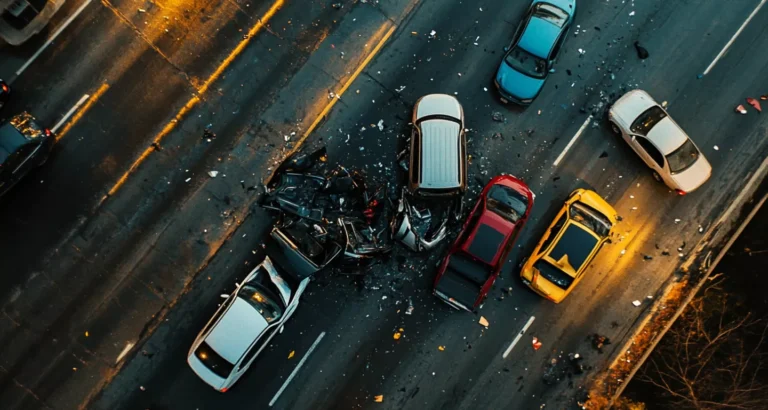
Multi-car accidents are already complicated when it comes to establishing liability. Add a new statewide reporting system into the mix, and the legal landscape shifts in ways that most drivers are not yet aware of. The 2026 reporting system was designed to make roads safer by creating a more transparent record of dangerous driving behavior. But it also creates new evidence trails that can significantly affect how fault is determined after a serious crash.
Understanding how car accident laws in Illinois are evolving in light of this new system is essential for anyone involved in a Kane County multi-car accident. The records generated by this reporting system can strengthen a victim’s claim, expose a driver’s history of unsafe behavior, and change how insurance companies and courts evaluate liability. Knowing how to use this system to your advantage starts with understanding what it is and how it works.
What the 2026 Unsafe Driver Reporting System Actually Is
The 2026 Illinois Unsafe Driver Reporting System is a statewide database that consolidates reports of dangerous driving behavior from multiple sources. It pulls together information from law enforcement citations, insurance company reports, court records, and public submissions. The goal is to create a more complete picture of a driver’s behavior over time rather than treating each incident in isolation.
Prior to this system, a driver could accumulate a pattern of dangerous behavior across different counties without that pattern ever being clearly visible in one place. The new system changes that by centralizing the data and making it accessible to law enforcement, courts, and licensed attorneys. For accident victims in Kane County, this means a dangerous driver’s full history may now be provable in ways it never was before.
How Reported Driver Histories Can Establish a Pattern of Negligence
When an attorney can show that a driver had a documented history of dangerous behavior before the accident occurred, it strengthens the negligence argument significantly. It also opens the door to pursuing punitive damages in cases where the behavior was particularly reckless. Here is how reported driver histories can be used to build a stronger liability case:
- Prior traffic citations included in the database can show a pattern of disregard for road safety rules over time.
- Insurance company reports of previous at-fault accidents establish a track record of dangerous driving behavior.
- Public submissions from other drivers who reported aggressive or unsafe behavior add weight to the negligence argument.
- Court records of prior traffic-related hearings or judgments paint a fuller picture of the driver’s history behind the wheel.
- Frequency and recency of reports demonstrate whether the dangerous behavior was isolated or ongoing up to the time of the crash.
The Role of the Reporting System in Kane County Multi-Car Accidents
Multi-car accidents in Kane County present unique liability challenges. When three or more vehicles are involved, determining which driver’s actions set the chain of events in motion is rarely straightforward. Each driver may point to another, and insurance companies may dispute fault aggressively to minimize their exposure. The new reporting system adds a layer of objective evidence that can cut through that confusion.
If one of the drivers involved in a Kane County multi-car accident has a documented history of unsafe driving in the new system, that history becomes relevant to the liability analysis. It can help establish which driver was most likely to have triggered the chain reaction and why. Attorneys who know how to access and interpret this data will have a meaningful advantage in building their client’s case from the very beginning.
How Insurance Companies Are Already Using This System Against Claimants
Insurance companies move fast, and they are already using the 2026 reporting system to their advantage. If your driving history appears in the database, even for something minor, an adjuster may use it to argue that you share fault for the accident. They will look for any report associated with your name and use it to shift comparative negligence onto you and reduce their payout.
This is why it is important to know what is in your own driver history before the insurance company uses it against you. Request access to your own records in the new system as soon as possible after an accident. Review everything that appears under your name and discuss any entries with your attorney before engaging with the insurance company. Being proactive about your own record is just as important as investigating the other driver’s history.
Accessing the Reporting System as Part of Your Legal Case
Accessing the full records of another driver from the 2026 reporting system typically requires a legal process. Individual members of the public cannot simply look up another person’s full driving report on demand. However, licensed attorneys can access this information through formal legal channels, including discovery requests, subpoenas, and direct database queries available to legal professionals.
This is one of the many practical reasons why having an attorney involved early in a multi-car accident case matters so much. The sooner your legal team submits the necessary requests, the sooner that information becomes available to strengthen your claim. Delays in accessing this data can affect the timeline of your case and, in some situations, may allow records to be updated or disputed before your attorney has a chance to review them.
How the System Interacts With Illinois Comparative Fault Rules
Illinois follows a modified comparative fault rule that reduces your compensation based on your percentage of fault. In a multi-car accident, fault is often distributed among several drivers. The new reporting system adds a new dimension to this analysis by providing historical context for each driver’s behavior behind the wheel.
A driver with a clean history in the reporting system will likely be viewed more favorably than one with multiple documented incidents. Conversely, if the at-fault driver has a long record of dangerous behavior, that record can support a finding of a higher fault percentage against them. Understanding how the reporting system interacts with comparative fault rules is essential to accurately assessing the value of your claim and the strength of your legal position.
Why Legal Guidance Matters More Than Ever in 2026 Multi-Car Cases
The introduction of the 2026 reporting system has made multi-car accident cases more data-driven and more complex at the same time. There is more evidence available than ever before, but accessing it, interpreting it, and using it effectively requires legal expertise. Trying to navigate this process without experienced legal representation puts you at a serious disadvantage.
An attorney who understands both the new reporting system and Illinois liability law can use this data strategically to build the strongest possible case on your behalf. They will investigate the histories of every driver involved, counter any attempts to use your own record against you, and present a clear and compelling narrative of what happened and why. In 2026, legal guidance is not just helpful in multi-car accident cases.
