


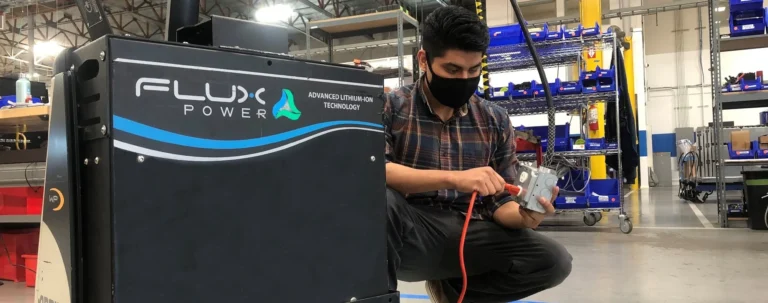
In many business environments, especially warehouses and logistics setups, there’s always this quiet belief that better equipment automatically fixes everything. A faster machine, a newer system, or even something like a lithium-ion battery for a forklift gets seen as the magic solution. But in reality, you might notice something strange after upgrades. Things still don’t run smoothly. And you start asking yourself… Why? The truth is, most of the time, it’s not the tools that are the problem. It’s the lack of consistency in how those tools are used day after day.
The Common Misconception About Equipment Upgrades
You’ve probably seen it before. A business feels pressure. Performance is slipping a bit. Deadlines are getting tighter. So the first reaction is to invest. New forklifts. New software. Better machines. Anything that feels “modern” enough.
It sounds logical, right?
But here’s the thing. Equipment alone rarely fixes broken workflows. It just sits inside the same system that was already struggling. So the same delays, the same miscommunication, and the same errors… they still show up.
Sometimes, even worse, because new tools need adjustment. Training. Familiarity. And if that part is rushed, everything feels messy again. So yes, upgrades help. But they don’t solve structural problems.
Why Operational Consistency Drives Real Efficiency
Now this is where things really start to change how you look at work.
When your operations are consistent, everything feels a bit more controlled. Not perfect, but stable. And that stability matters more than people think. You stop wasting energy figuring out what comes next every single time. Instead, things just move in a predictable rhythm.
You might not notice it at first. It’s not loud or dramatic. But over time, you start seeing fewer delays. Fewer misunderstandings between teams. Even fewer moments where someone says “I thought someone else was handling that.”
Consistency basically removes guesswork. And guesswork is one of the biggest silent killers of productivity in any warehouse or business setup.
Another thing you’ll notice is how it improves confidence. When people know the process, they move faster without hesitation. They don’t stop to double-check everything. They just do the work. And that alone speeds things up more than any new machine ever could.
Even in fast-moving environments, consistency acts like an anchor. Things still get busy, sure. But they don’t fall apart as easily. And that’s the real win here.
The Hidden Cost of Inconsistent Systems
This is the part most businesses don’t see clearly at first. Inconsistency doesn’t show up as one big problem. It shows up as small leaks everywhere.
A task delayed here. A miscommunication there. A machine not used properly because the operator was rushed or unsure. And slowly, these small issues build up.
You might not even notice it day to day. But over weeks or months, productivity drops without a clear reason.
And then what happens? You start blaming the equipment. Or thinking the solution is another upgrade cycle. But really, the system just needed stability. Not more complexity.
How Businesses Can Build More Stable Operational Habits
So what can you actually do? Well, it’s not complicated. But it does require discipline.
First, you simplify processes. Not everything needs to be reinvented. Sometimes the best system is the one that everyone understands without thinking too much.
Second, you train people properly. And not just once. Repetition matters. People forget, especially under pressure.
Third, you reduce unnecessary changes. Constant switching of tools or methods creates confusion. And confusion slows everything down.
When you focus on these small habits, something interesting happens. Your operations start to feel lighter. Not because you added something new, but because you removed friction.
It’s a bit boring to talk about, but it works in real life. And you’ll notice your team becomes more confident too. Less guessing. More doing.
Conclusion
Expensive upgrades can help, but they don’t solve everything. Real performance comes from how consistent your operations are, not just the tools you use. When your processes are stable and clear, even basic equipment works better. When they’re not, even advanced systems struggle. That’s why long-term efficiency is more about discipline than constant upgrades. In the end, real improvement shows up in how well you’re actually streamlining warehouse operations, not just what you buy.
