


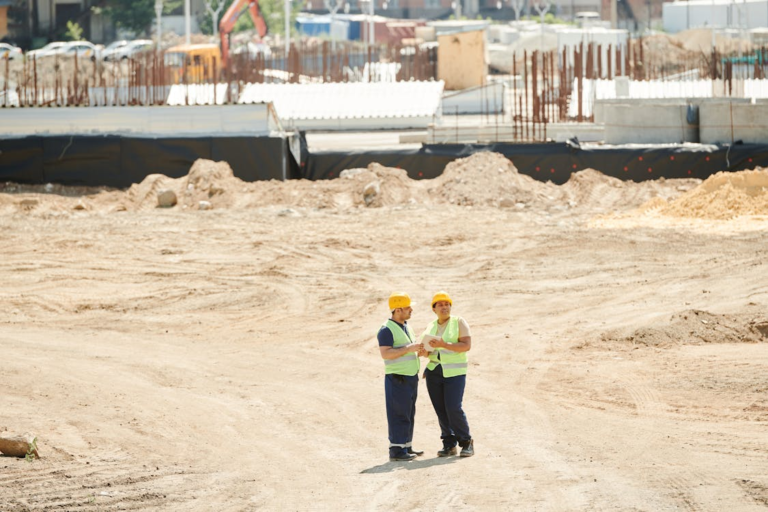
Redevelopment projects almost always look simpler at the beginning than they actually are once detailed planning starts. An older shopping center, warehouse property, industrial site, or commercial lot may appear ready for upgrades on the surface. However, decades of previous construction, ownership changes, infrastructure repairs, drainage shifts, and undocumented modifications usually create a much more complicated situation underneath. Unlike undeveloped land, where planners start with relatively clean conditions, redevelopment sites already carry years of physical and legal history that can affect nearly every stage of the project. Developers, engineers, contractors, and property owners often discover that understanding the existing site accurately becomes one of the most important parts of keeping redevelopment timelines and budgets under control.
This challenge becomes especially noticeable in growing areas where older commercial properties are being repurposed for modern development needs. A redevelopment project in Waco, TX, for example, may involve converting aging industrial space into mixed commercial use, updating older retail properties, or redesigning infrastructure around long-standing buildings that were originally constructed under completely different standards decades earlier.
Property Boundary Inconsistencies
One of the biggest complications during redevelopment projects comes from the fact that older property records are not always as accurate or consistent as people expect them to be. Many commercial properties have changed ownership multiple times over several decades, and older surveys or legal descriptions may no longer match current site conditions precisely. Boundary lines may have been measured using older methods, physical landmarks may have disappeared, or earlier construction projects may have altered the property layout without fully updating documentation afterward.
As such, redevelopment teams often spend much more time verifying boundaries than people initially assume. Accurate site analysis helps identify encroachments, easement concerns, access conflicts, or legal inconsistencies before major construction activity starts, creating larger problems later. Developers often work with a land surveying company in Waco during these projects because updated surveys help establish reliable site data before planning moves too far forward. Without detailed boundary verification, redevelopment projects can run into permitting issues, construction delays, or even legal disputes involving neighboring properties once excavation or structural work begins.
Unrecorded Structural Modifications
Many redevelopment properties have gone through multiple renovations, additions, demolitions, or redesign phases over the years, and not every change was necessarily documented carefully at the time it happened. Older commercial buildings especially tend to accumulate modifications gradually as businesses expand, ownership changes, or operational needs evolve. Walls get moved, utility systems get rerouted, additions get built onto original structures, loading areas get reconfigured, and sections of buildings may be partially removed without every change being fully reflected inside updated site records afterward. Those undocumented changes often stay hidden until redevelopment planning forces teams to examine the site much more closely.
These older modifications can create major complications once demolition, reconstruction, or infrastructure upgrades begin. Structural conditions may differ from existing plans, utility lines may appear in unexpected locations, or portions of the property may contain older construction elements that no longer meet current standards. Contractors cannot safely rely only on archived blueprints because the actual site may look very different after decades of alterations. Detailed property analysis helps redevelopment teams identify these inconsistencies early so budgets, engineering plans, and timelines reflect real conditions instead of assumptions based on incomplete records.
Drainage Conditions Often Change
Drainage systems on older commercial properties rarely function the same way they did when the site was originally developed. Over time, construction activity, pavement changes, landscaping adjustments, neighboring development, erosion, and infrastructure repairs can all gradually alter how water moves across a property. Parking lot expansions, curb modifications, building additions, or older stormwater systems may have changed runoff patterns repeatedly across several decades without anyone fully reassessing the site afterward.
Updated drainage analysis becomes extremely important because redevelopment projects usually increase pressure on existing site infrastructure. New layouts, different building footprints, added pavement, or revised traffic flow can affect stormwater movement much differently than the property handled previously. Older drainage systems may already operate inefficiently long before redevelopment planning even starts. Poor drainage planning can eventually create flooding problems, erosion issues, pavement damage, or regulatory complications tied to stormwater management requirements.
Aging Infrastructure
Older redevelopment sites often contain infrastructure systems that have been operating for many years without full replacement or modernization. Water lines, sewer systems, electrical infrastructure, foundations, underground piping, pavement layers, retaining walls, and utility connections may all exist beneath the property in conditions that are difficult to evaluate without detailed investigation. Some systems may still function adequately for current use. Yet, redevelopment plans frequently place new demands on infrastructure that was originally designed under very different construction standards or operational expectations decades earlier.
Hence, this creates major planning challenges because hidden infrastructure problems can affect both project costs and construction schedules very quickly once work begins. A redevelopment site may require unexpected utility upgrades, foundation reinforcement, pavement reconstruction, or drainage replacement after inspections reveal conditions worse than initially expected. Infrastructure issues are especially difficult because many remain hidden underground until excavation or demolition activity exposes them directly. Detailed property analysis helps redevelopment teams identify aging systems before major construction starts.
Conflicting Historical Land Records
Older commercial properties often come with years of overlapping records created under different ownership groups, surveying standards, municipal requirements, and development phases. Deeds, easements, permits, zoning records, utility maps, and archived surveys may all contain slightly different information depending on when they were created and what changes happened afterward. Some records may reference property layouts that no longer exist physically, while others may fail to include later modifications entirely.
Conflicting land records can slow projects down significantly because developers need accurate information before finalizing design plans, permits, financing, or infrastructure work. Property access rights, utility easements, setback requirements, and ownership boundaries all depend on reliable documentation that matches actual site conditions. Redevelopment teams often spend considerable time reconciling older records with updated surveys and modern site analysis before major planning decisions can happen confidently.
Parking Layout Reconfiguration
Parking areas often become one of the most heavily redesigned parts of redevelopment projects because older layouts may no longer fit current traffic patterns, accessibility standards, tenant needs, or commercial usage expectations. Redevelopment frequently involves changing building entrances, modifying traffic flow, increasing parking efficiency, or adding updated loading zones that support modern operations much differently than the original site design intended decades earlier.
Accurate site measurements help planners evaluate slope conditions, curb locations, pavement elevation changes, utility access points, drainage flow, and available vehicle circulation space before redesign work begins. Older parking lots may contain irregular dimensions, undocumented repairs, or gradual layout shifts created over many years of maintenance and modification. Redevelopment projects rely heavily on detailed measurement data because of modern accessibility requirements, fire access standards, and traffic management expectations.
Redevelopment projects require far more detailed property analysis because older commercial and industrial sites rarely remain unchanged over long periods of time. Careful site analysis helps redevelopment teams understand those conditions so planning, budgeting, permitting, and construction decisions align with the actual realities of the property.
