


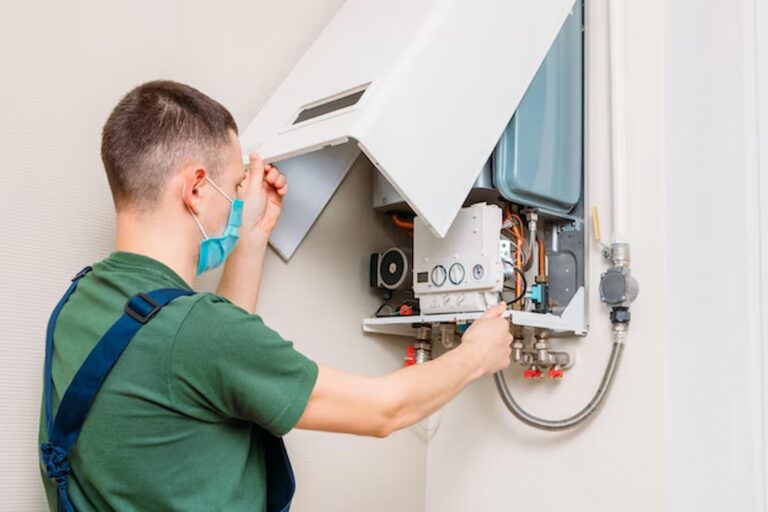
Heating systems are one of the most important components of any residential, commercial, or industrial property during colder seasons. They provide the warmth needed to maintain comfortable indoor conditions, support healthy living environments, and ensure that daily activities continue without disruption. Whether in homes, office buildings, warehouses, healthcare facilities, or manufacturing plants, heating equipment plays a major role in maintaining productivity and comfort when outdoor temperatures drop significantly.
As heating systems continue operating throughout the winter, their components naturally experience wear and tear. Continuous usage places pressure on motors, burners, heat exchangers, thermostats, filters, and electrical systems. Over time, this can lead to reduced performance, higher energy consumption, inconsistent heating, and even complete system failure if problems are ignored. Because of this, professional heating system repair becomes necessary to maintain safe, efficient, and reliable indoor heating.
Understanding the Importance of Heating Systems
Heating systems are designed to distribute warmth evenly throughout a building by generating heat and circulating it through ducts, radiators, or ventilation systems. Modern systems are engineered to maintain stable temperatures while operating as efficiently as possible. Different types of heating systems include furnaces, boilers, central heating systems, and heat pumps, each serving specific residential or commercial needs.
In homes, heating systems create comfortable living conditions that protect families from harsh winter weather. In commercial environments, proper heating supports employee productivity and customer satisfaction. Industrial facilities often rely on heating systems to maintain temperature-sensitive operations and ensure safe working conditions.
According to energy efficiency studies, heating systems account for a large portion of energy consumption in colder climates, which makes system performance and maintenance extremely important for reducing operational costs and conserving energy. A properly functioning system not only improves comfort but also helps lower utility expenses and minimize environmental impact.
Common Problems That Require Heating System Repair
Heating systems can develop a variety of issues over time due to continuous operation and aging components. One of the most common problems is uneven heating, where some rooms remain cold while others become excessively warm. This issue is often caused by airflow restrictions, thermostat malfunctions, or blocked ductwork.
Another common issue is insufficient heat output. If a heating system struggles to maintain the desired temperature, the cause may include dirty filters, malfunctioning burners, low fuel supply, or worn-out components. Reduced heating efficiency often forces the system to work harder, increasing energy usage and utility costs.Unusual noises are also important warning signs. Banging, rattling, squealing, or grinding sounds usually indicate loose parts, airflow issues, or motor problems. Ignoring these noises can lead to larger mechanical failures that require expensive repairs.
Thermostat problems are another major concern. A faulty thermostat can cause inaccurate temperature readings, short cycling, or complete inability to regulate heating properly. Since the thermostat controls the entire heating process, any malfunction can significantly affect comfort and efficiency.Industry maintenance reports also identify clogged filters, ignition failures, pilot light issues, and electrical faults as common reasons for heating system breakdowns. These issues require immediate attention to prevent further damage and maintain safe operation.
Why Timely Heating System Repair Matters
Timely repairs are essential because small heating system issues can quickly become major mechanical problems if ignored. A minor airflow restriction or worn component may not seem serious initially, but over time it can place additional stress on the entire system and reduce overall efficiency.One of the biggest benefits of prompt repair is improved energy efficiency. A malfunctioning system often consumes more energy while producing less heat. Components such as clogged filters, damaged fans, or failing motors force the system to work harder, increasing electricity or fuel consumption.
Timely repair also helps prevent sudden system failures during periods of extreme cold. Heating breakdowns in winter can create serious discomfort and even safety risks, especially for children, elderly individuals, or businesses that depend on temperature-controlled environments.
Safety is another important reason why heating system repairs should never be delayed. Faulty systems can create hazards such as gas leaks, overheating, carbon monoxide exposure, or electrical problems. Professional repair services ensure that all components operate safely and according to industry standards.Experts in HVAC maintenance emphasize that addressing problems early significantly reduces long-term repair expenses and extends equipment lifespan . Preventive attention helps businesses and homeowners avoid expensive emergency repairs and unexpected downtime.
The Role of Professional Heating Repair Services
Professional heating repair services are important because heating systems involve complex mechanical, electrical, and fuel-related components that require specialized knowledge. Certified technicians are trained to inspect systems thoroughly, identify the exact source of problems, and apply effective repair solutions.
One major advantage of professional servicing is accurate diagnostics. Instead of replacing unnecessary parts, trained technicians use advanced tools to identify the root cause of the issue. This approach saves time, reduces costs, and ensures long-lasting repairs.
Professional repair services also prioritize safety. Gas-powered systems, boilers, and furnaces can become dangerous if handled improperly. Certified technicians follow strict safety procedures to ensure that repairs are completed safely and correctly.Another important benefit is access to high-quality replacement parts. Professional technicians use compatible and durable components that help restore system performance and maintain reliability over time.
After completing repairs, technicians typically test the entire system to verify proper operation. This includes checking airflow, heat output, thermostat calibration, and safety controls to ensure the system performs efficiently before returning to regular use.
Preventive Maintenance and Long-Term System Reliability
Preventive maintenance is one of the best ways to minimize repair needs and improve system longevity. Routine maintenance allows technicians to identify and resolve minor issues before they cause major breakdowns.Maintenance procedures usually include cleaning filters, inspecting burners, checking electrical connections, lubricating moving parts, and testing airflow performance. These tasks improve efficiency and reduce unnecessary strain on system components.
Clean filters and unobstructed airflow allow the heating system to distribute warmth evenly while consuming less energy. This not only improves comfort but also reduces utility costs over time.
Preventive maintenance also extends the lifespan of heating equipment. Systems that receive regular servicing generally perform more reliably and last significantly longer than neglected systems. This delays expensive replacement costs and improves overall return on investment.Industry research consistently shows that properly maintained heating systems experience fewer breakdowns and lower operating costs throughout their lifespan . Regular maintenance is therefore a practical investment for both residential and commercial property owners.
Energy Efficiency and Environmental Benefits
Energy efficiency has become increasingly important due to rising utility costs and environmental concerns. Heating systems that operate inefficiently consume excessive fuel or electricity, increasing operational expenses and environmental impact.
Professional heating system repair helps restore optimal efficiency by resolving issues that reduce performance. Proper airflow, accurate thermostat operation, and clean components allow the system to generate consistent heat while minimizing energy waste.
Efficient systems also contribute to environmental sustainability by reducing greenhouse gas emissions and lowering overall energy demand. Businesses and homeowners who maintain efficient heating systems support environmentally responsible building management while benefiting from reduced operating costs.Modern repair and maintenance strategies are increasingly focused on improving both efficiency and sustainability. As energy regulations continue evolving, properly maintained systems will remain essential for meeting performance standards and reducing environmental impact.
Signs That Indicate Immediate Repair Is Needed
There are several warning signs that indicate a heating system requires immediate professional attention. Uneven heating, weak airflow, or rising energy bills are often early indicators of reduced system efficiency. Strange odors, particularly burning smells or gas odors, should never be ignored because they may indicate serious safety concerns.
Frequent cycling on and off, delayed startup, or unusual noises such as rattling and grinding are also signs that the system may have internal mechanical problems. Addressing these issues quickly helps prevent larger failures and costly repairs.Recognizing these symptoms early allows homeowners and businesses to schedule repairs before the system becomes completely inoperable during critical winter periods.
Conclusion
Heating systems repair are essential for maintaining comfort, safety, and operational stability during cold weather conditions. Because these systems operate continuously throughout winter, regular maintenance and timely repair are necessary to ensure reliable performance and energy efficiency.
Professional heating system repair helps restore proper functionality, reduce energy consumption, improve indoor comfort, and prevent unexpected breakdowns. Through preventive maintenance and early problem detection, homeowners and businesses can extend equipment lifespan while reducing long-term repair costs.
As energy efficiency and indoor comfort continue to remain important priorities, investing in proper heating system care will remain one of the most effective ways to ensure reliable, safe, and cost-efficient operation throughout the year.
