


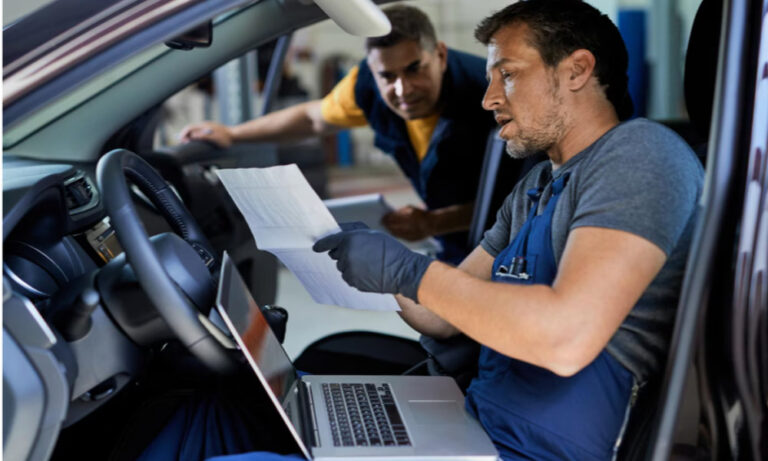
Managing a large group of vehicles is a complex puzzle. Every day brings a new set of challenges, from unexpected breakdowns to rising fuel costs. When you are responsible for keeping trucks, buses, or heavy equipment moving, downtime is your biggest enemy.
Relying on outdated tracking methods or paper trails often leads to missed service intervals and frustrated technicians. You need a system that actively works for you, providing clear insights and preventing issues before they occur. A reliable digital platform takes the guesswork out of your daily routine and puts you firmly in control of your assets.
This is exactly where Fleet Maintenance Software steps in to change the game. By moving your data to an intelligent, cloud-based platform, you can seamlessly connect your technicians, shop managers, and executive decision-makers. In this article, you will learn how modern fleet management tools remove waste in time, money, and fuel, ultimately elevating your entire operation to new heights of efficiency.
Understanding Fleet Maintenance Software
Fleet Maintenance Software is a specialized digital tool designed to organize, track, and optimize the repair and upkeep of vehicles. Instead of relying on manual whiteboards or disconnected spreadsheets, shop managers use this software to gain a real-time view of their entire operation.
The best platforms are entirely cloud-based. This means your data is securely stored online and accessible from anywhere, whether you are in the repair bay or the executive office. Teams can log updates, track expenses, and schedule preventative care without skipping a beat.
Built with decades of hands-on experience in transportation, modern solutions speak the language of the people who use them every day. They bridge the gap between high-level executive needs and the practical realities of shop technicians. The result is a unified workflow that prioritizes repairs, increases service levels, and keeps your drivers safely on the road.
The Power of Advanced Tech Integration
Technology is moving incredibly fast. To stay competitive, transportation companies must utilize the latest advancements. Cloud-based fleet management tools now incorporate machine learning and artificial intelligence to make sense of massive amounts of data.
Seamless Telematics Connections
A major advantage of modern platforms is their ability to integrate seamlessly with various telematics providers. Systems like Qualcomm, DriverTech, and Samsara gather crucial information directly from the vehicles. When this data flows directly into your Fleet Maintenance Software, you gain unique insights and real-time visualization of your assets.
Smart TMS Integration
Transportation Management Systems, such as McLeod, handle the logistical side of your business. Connecting your maintenance software with your TMS ensures that scheduling aligns perfectly with vehicle availability. Dispatchers know exactly which trucks are ready to roll, and technicians know when a vehicle will return to the yard for its scheduled service.
Key Benefits of Intelligent Shop Cost Management
Running a profitable fleet means keeping a close eye on the bottom line. Every minute a vehicle sits in the shop costs money, and every unnecessary repair eats into your profit margins. Intelligent software provides the actionable data required to make smart financial decisions.
Extend Vehicle Lifespans
Regular, properly tracked preventative care is the secret to extending the life of your expensive assets. By using predictive insights and automated scheduling tools, you can catch minor wear and tear before it becomes a major mechanical failure. Well-maintained trucks and buses simply last longer and perform better over their lifecycle.
Increase Shop Utilization
Your repair shop is a hub of activity. A clean, user-centric interface tailored for shop technicians helps them complete tasks faster and with fewer errors. Intelligent tools enhance shop managers’ efficiency by allowing them to prioritize workflows based on urgency and parts availability. This focused approach reduces idle time in the bays and gets vehicles back to generating revenue as quickly as possible.
Industries Transformed by Better Management
Transportation needs vary wildly from one sector to the next. Fortunately, flexible fleet management platforms are built to accommodate a wide variety of specialized industries.
Trucking and Transportation
For both Local Transit (LTR) and Over-The-Road (OTR) trucking companies, keeping freight moving is the only way to survive. Intelligent software helps these carriers monitor fuel usage, track driver behavior, and maintain strict compliance with safety regulations across thousands of miles.
Public Transit and Municipalities
Buses and municipal vehicles serve the community daily. Reliability is paramount when citizens depend on public transport or city services. Fleet tools ensure that city buses, snowplows, and service trucks remain in peak condition, providing safe and consistent service to the public.
Construction and Waste Management
Heavy machinery and waste disposal trucks operate in brutal environments. Construction firms require robust tracking to manage expensive yellow iron across multiple job sites. Similarly, waste and recycling operations rely on durable software to track the intensive wear and tear their vehicles endure on their daily routes.
Elevate Your Fleet Operations Today
Managing vehicle upkeep does not have to be a frustrating process filled with blind spots and unexpected costs. By adopting a modern, cloud-based platform, you bring clarity and efficiency to your entire organization. Your technicians gain easy-to-use tools, your managers achieve higher shop utilization, and your executives receive the data they need to protect the bottom line.
If you are ready to remove waste in time, money, and fuel, it is time to explore a smarter way to work. Contact a trusted provider like Alpine Data Solutions to schedule a demo and discover how intelligent Fleet Maintenance Software can revolutionize your daily operations.
