


Patient volumes have been climbing at a pace that few hospital administrators expected, and the pressure on existing infrastructure is no longer something that can be managed with minor adjustments. Emergency rooms fill up faster, outpatient clinics struggle to keep appointment slots open, and diagnostic departments often find themselves working well beyond their original design capacity. Hospitals that want to maintain the quality of care while serving more people need a faster, more flexible approach to operations, staffing, and equipment. The goal is to respond in weeks rather than years, without compromising the standard of care that patients expect.
Scaling Imaging Capacity Fast
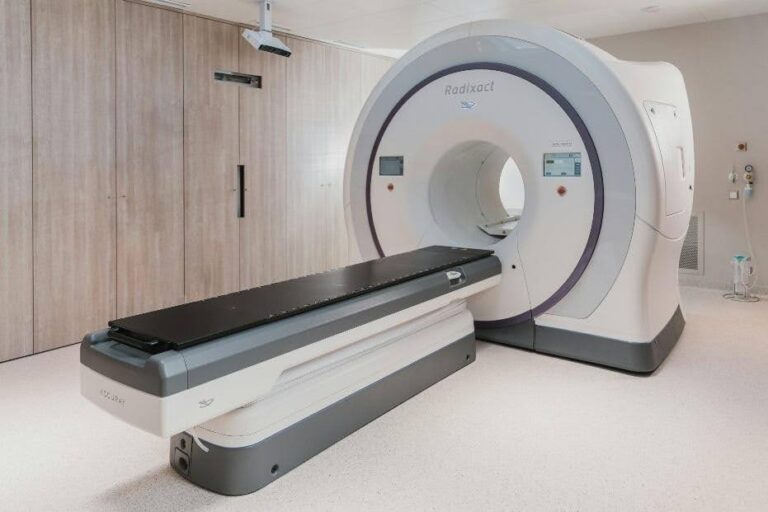
Diagnostic imaging is one of the first bottlenecks to appear when patient demand rises sharply. When a hospital’s existing scanner is booked solid, and patients are being pushed into next month’s schedule, the entire treatment pipeline slows down because surgeons, oncologists, and emergency physicians all wait for results before they can act. Purchasing new equipment outright can take many months between procurement, installation, and commissioning, which simply does not fit the timeline most hospitals are working against. A practical alternative is a nationwide CT scanner rental, which allows a facility to bring in a fully serviced imaging system on a short turnaround and route overflow cases through it while permanent planning continues in the background. Rental arrangements also remove the strain of large capital commitments, freeing hospital budgets for staffing, supplies, and other urgent operational needs.
Building Flexibility into Staffing Models
Beyond equipment, the workforce remains the single biggest variable in how a hospital responds to rising demand. Rigid staffing structures that were built around predictable patient flows tend to break down quickly when admissions surge, and overworked teams are far more likely to make errors or leave the profession altogether. Cross-training nurses and technicians so they can move between departments based on need helps smooth out the sudden spikes that hit specific units. Per-diem and float pools give administrators a reliable way to fill gaps without resorting to expensive last-minute hiring, and partnerships with local nursing schools keep a steady stream of qualified candidates flowing into the hospital. Leadership should also rethink shift design, since rotating block schedules and staggered start times often reduce burnout and improve coverage during peak hours.
Streamlining Patient Flow Through Process Redesign
Many hospitals discover that the real bottleneck is not capacity but the way patients move through the building. A patient who waits two hours for a bed because of a delayed discharge upstairs creates a cascade that pushes back every admission behind them. Mapping the patient journey from arrival to discharge often reveals dozens of small delays that add up to significant wait times. Hospitals that have committed to lean process improvement, daily bed huddles, and real-time tracking dashboards consistently move patients through their facilities more efficiently. Discharge planning that begins at admission, rather than on the day of release, is one of the most effective single changes a hospital can make, because it ensures that beds open up predictably and that case managers have time to coordinate post-discharge care.
Leveraging Telehealth and Remote Monitoring
Not every patient who contacts a hospital actually needs to be seen in person, and recognizing that has become essential to managing demand. Virtual consultations work well for follow-up visits, medication reviews, mental health support, and routine check-ins with chronic disease patients. Remote monitoring devices send real-time vital signs from a patient’s home back to a clinical team, allowing physicians to catch problems early and intervene before a condition worsens enough to require hospitalization. Hospitals that have invested in robust telehealth platforms have been able to reserve their physical capacity for the patients who genuinely need hands-on care, while still maintaining strong relationships with the rest of their population. The cost of setting up these programs is modest compared to the alternative of expanding physical infrastructure.
Strengthening Community and Outpatient Partnerships
A hospital cannot solve a rising demand problem entirely within its own walls. Strong relationships with urgent care centers, primary care practices, ambulatory surgical centers, and skilled nursing facilities give the hospital somewhere to safely redirect patients whose needs do not match the intensity of an acute care setting. Formal partnerships, complete with shared protocols and clear communication channels, work much better than informal referrals because they ensure that nothing falls through the cracks. Community paramedicine programs, where trained paramedics make home visits to high-risk patients, have proven especially valuable for reducing repeat emergency room visits. These external relationships effectively extend the hospital’s capacity without requiring it to build, hire, or expand on site.
Using Data to Anticipate Demand
Hospitals that react to surges are always behind the curve, while hospitals that anticipate them stay ahead. Modern analytics tools can pull from electronic health records, local public health data, seasonal patterns, and even weather forecasts to predict when admissions are likely to spike. Knowing that flu admissions tend to peak in a particular week, or that a heat wave will likely bring in more cardiac and respiratory cases, lets administrators adjust staffing, supplies, and bed allocation in advance. Predictive models also help identify patients at the highest risk of readmission, allowing care teams to focus their outreach where it will have the greatest effect. The investment in data infrastructure pays back quickly because it converts guesswork into informed decisions.
Investing in Staff Wellbeing as a Strategic Priority
None of the other adaptations matter if the people delivering care are too exhausted or demoralized to perform at their best. Mental health support, manageable workloads, recognition programs, and genuine opportunities for career growth keep clinical staff engaged and reduce costly turnover. Leaders who walk the floor, listen to frontline concerns, and act on what they hear build the kind of trust that holds a team together when demand is at its highest. Hospitals that treat staff wellbeing as a core operational priority, rather than a soft benefit, are the ones best positioned to absorb whatever the next wave of patient demand brings.
