


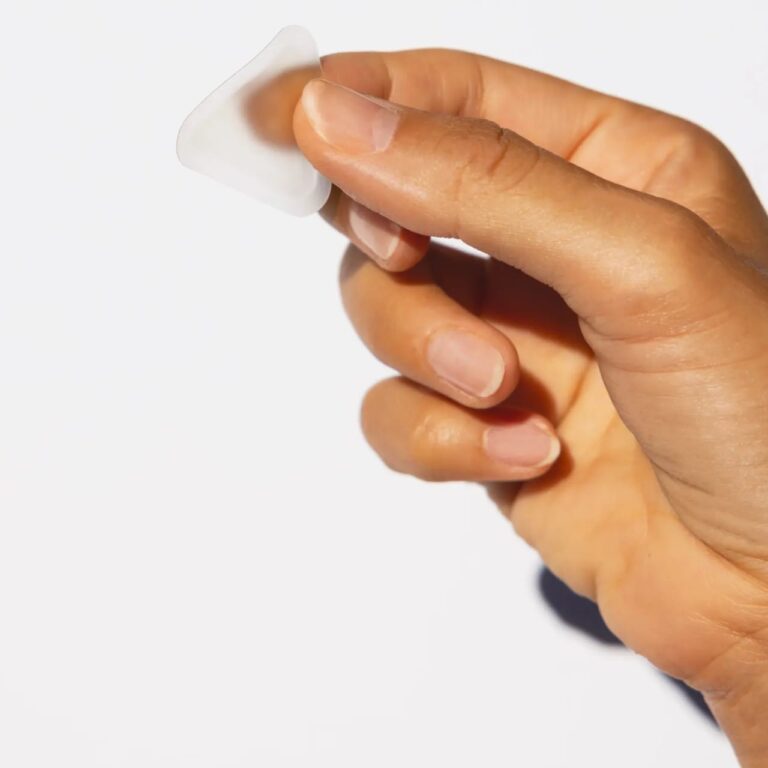
TL;DR: A lot of people now use pimple patches for the marks left behind after breakouts. That’s because they very much do work. They take time to do their thing, but they really do work.
While regular zits can be super annoying to deal with, it’s not the only thing you’ve got to worry about when you get breakouts. Once all the inflammation has gone, you can find yourself with dark marks that affect how even your skin tone looks. Brightening patches are a known solution, but do they do anything? Do pimple patches actually work on dark spots?
Pimple patches have become very popular recently outside of just treating active breakouts. Pimple patches that draw out the nasties inside have been popular for years, and brightening patches are gaining popularity. So, it would be nice to know if they live up to the hype.
That’s why we created this blog, to shine a little light on the subject for people who haven’t yet tried this relatively new type of post-acne product. Who knows, there might be a nugget or two of information in here you didn’t know, so let’s dive in!
How Do Pimple Patches Actually Work?
One of the biggest misconceptions around pimple patches is that they only do anything while a breakout is still active. Originally, people used a different type to stop themselves picking at spots or to help draw out oil and fluid overnight, but these are different, containing niacinamide, tranexamic acid, and Vitamin C. So, how do pimple patches actually work on dark spots?
That’s because a lot of people are less concerned with the pimple by that stage and more frustrated by the dark mark left behind afterward. Some spots seem to fade quickly on their own, while others hang around for weeks looking exactly the same every time you check the mirror.
- Brightening patches create a protective barrier over the area while skin recovers, which cuts down on the extra irritation that keeps dark spots hanging around.
Picking and touching your spots constantly is one of the main reasons post-acne marks stay darker for longer than they need to.
- Niacinamide is a common added ingredient because it supports a more even skin tone over time. That’s a big part of why these patches have become a go-to once the actual breakout has already settled down.
- Some patches include tranexamic acid because of its links to reducing the discoloration inflammation leaves behind. It’s not overnight, but it’s become a popular ingredient in anything aimed at post-acne marks.
- Vitamin C is also included as an ingredient because of its brightening properties and the role it plays in skin recovery. Used consistently (as part of your routine), it can make darker patches noticeably less obvious over a month or two.
Keeping the area covered also prevents friction from things like makeup, pillowcases, or phone screens from aggravating the skin further. Those small irritations can quietly slow down how fast marks fade.
The important thing is having realistic expectations. Pimple patches may help support the fading process, but darker post-acne marks still tend to take patience, especially if the skin has been irritated repeatedly in the past.
How Can You Get the Best Results With Pimple Patches On Dark Spots?
Some people assume all pimple patches work the same way regardless of whether they’re being used on active acne or leftover marks. In reality, when you’re dealing with dark spots rather than an inflamed breakout, you need to choose the right type of patches and understand how to get the best out of them.
Patches tend to work best when they’re part of a steady routine rather than being used randomly every few weeks. Most people who see gradual improvement are usually applying them regularly while also trying not to irritate the area further. Here’s a little insight into how easy they are to use.
#1 – Start With Clean, Dry Skin
Before applying a patch, make sure the area is clean and fully dry. If there’s moisturizer, oil, or leftover skincare sitting on the surface, the patch usually won’t stick properly or stay in place for very long.
#2 – Leave The Patch Alone Once It’s Applied
A big mistake people make is constantly peeling patches off to check whether the mark looks lighter yet. You’re far better off leaving it alone properly so the area stays protected rather than repeatedly disturbing the skin throughout the day.
#3 – Focus On Consistency Rather Than Quick Results
Dark spots rarely disappear all of a sudden, even with good skincare habits. Most people who notice improvement with pimple patches are usually using them every day like the manufacturer wants them to, rather than expecting dramatic changes after one or two uses.
Do Pimple Patches Actually Work? You Bet They Do
An uneven skin tone can make you really self-conscious, so it’s easy to see why people get just as fed up with dark spots, as they do with their breakouts. However, with these affordable, easy-to-use brightening patches, you can stop yourself from touching the area, as well as giving the area all the support it needs to return to its original shade.
So, if you’re looking for a way to get rid of your dark spots and you haven’t tried these patches yet, now is most definitely the time.
