


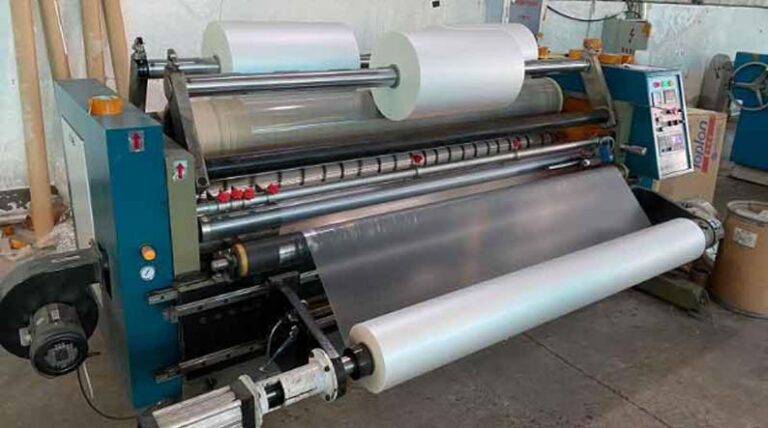
The food packaging industry has undergone a remarkable transformation over the last decade as manufacturers search for smarter, safer, and more sustainable solutions to preserve product quality. Refrigerated food products, in particular, require highly specialized packaging materials that maintain freshness, extend shelf life, and enhance visual appeal. One innovation that has gained significant attention in this sector is CPP Anti Fog Film. As consumer demand for packaged fresh food continues to rise, this advanced packaging material is becoming increasingly important for producers, retailers, and consumers alike.
Modern shoppers expect refrigerated food items such as vegetables, fruits, dairy products, meat, seafood, and ready-to-eat meals to appear fresh and visually attractive. Condensation inside packaging has long been a challenge because it creates a foggy appearance that reduces product visibility and can negatively affect consumer confidence. CPP anti-fog film effectively addresses this issue by preventing moisture droplets from accumulating on its surface. This technology improves transparency while supporting food preservation and product presentation.
The growing role of CPP anti-fog film in refrigerated products reflects broader innovations in food packaging, where functionality, sustainability, and performance are becoming essential priorities for the global food industry.
Understanding CPP Anti-Fog Film
CPP, or Cast Polypropylene film, is a versatile packaging material widely used in the food industry for its excellent clarity, heat-sealability, flexibility, and moisture resistance. When enhanced with anti-fog properties, CPP film becomes even more valuable for refrigerated packaging applications.
Anti-fog technology works by minimizing the formation of water droplets on the inner surface of packaging. Instead of forming visible droplets, moisture spreads evenly into a thin transparent layer that maintains product visibility. This process is especially important in cold storage environments where temperature fluctuations commonly lead to condensation.
CPP anti-fog film is specifically designed to perform well under refrigerated and chilled conditions. Its ability to maintain transparency while protecting food quality makes it suitable for packaging products such as fresh salads, cut fruits, bakery items, frozen foods, and dairy products. The film also supports efficient sealing processes, making it practical for automated packaging lines in modern manufacturing facilities.
The Importance of Visibility in Refrigerated Food Packaging
Visual presentation plays a critical role in consumer purchasing decisions. Shoppers often judge the freshness and quality of food products based on appearance before reading labels or checking expiration dates. Fogged packaging can create uncertainty and reduce the perceived quality of refrigerated items.
CPP anti-fog film improves visibility, allowing consumers to see the product inside the package clearly. This transparency is particularly beneficial for retailers because attractive packaging can directly influence sales performance. Fresh produce with clear visibility appears more appealing, encouraging consumers to trust the product’s freshness and quality.
In supermarkets and convenience stores, refrigerated shelves are highly competitive spaces. Packaging must stand out while also preserving food integrity. Anti-fog technology enhances shelf appeal by maintaining a clean, professional appearance even in humid refrigeration environments. This helps brands strengthen consumer confidence and improve overall product presentation.
Enhancing Shelf Life and Food Safety
Food waste remains a major global concern, and packaging innovation is one of the most effective ways to reduce spoilage. CPP anti-fog film extends shelf life by supporting stable moisture management within packaging.
Condensation can create excessive moisture, promoting microbial growth and product deterioration. By controlling fog formation, anti-fog film helps maintain balanced humidity conditions, reducing the risk of spoilage. This is especially important for fresh vegetables, fruits, and ready-to-eat foods that are highly sensitive to moisture accumulation.
In addition to moisture control, CPP film provides reliable barrier properties that help protect products from external contaminants. The film’s resistance to punctures and tears also contributes to safer transportation and storage. Food manufacturers benefit from reduced product loss, while consumers receive fresher and safer products.
As food safety regulations become stricter worldwide, packaging materials must meet high standards for hygiene and performance. CPP anti-fog film aligns with these requirements by offering dependable protection for refrigerated foods throughout the supply chain.
Applications Across Different Refrigerated Products
The versatility of CPP anti-fog film has led to its widespread adoption across various categories of refrigerated foods. In fresh produce packaging, the film allows consumers to clearly see the freshness of leafy greens, herbs, and pre-cut vegetables. Moisture control helps preserve texture and appearance, reducing the likelihood of wilting or spoilage.
In the dairy sector, products such as cheese, yogurt, and desserts benefit from enhanced clarity and attractive presentation. Transparent packaging improves brand visibility while supporting refrigeration stability. Meat and seafood packaging also relies on anti-fog technology to maintain a clean appearance and prevent condensation buildup that may affect product perception.
Ready-to-eat meals and convenience foods represent another rapidly growing application area. Consumers increasingly seek packaged meals that offer freshness, convenience, and visual appeal. CPP anti-fog film helps these products maintain an attractive look during refrigerated display, contributing to stronger consumer engagement and purchasing confidence.
Frozen foods can also benefit from CPP film innovations. Advanced anti-fog formulations improve packaging performance during transitions between freezing and thawing, reducing moisture-related visual defects.
Sustainability and Environmental Considerations
Sustainability has become a defining factor in the future of food packaging. Consumers and regulatory authorities are increasingly pressuring manufacturers to adopt environmentally responsible packaging solutions. CPP anti-fog film manufacturers are responding by developing recyclable and resource-efficient materials that support sustainability goals.
One advantage of CPP film is its lightweight nature, which reduces transportation costs and lowers carbon emissions compared to heavier packaging alternatives. Innovations in film manufacturing are also enabling thinner yet stronger packaging structures that use less raw material without compromising performance.
Many companies are exploring mono-material packaging solutions that improve recyclability. CPP films can be integrated into recyclable packaging systems, supporting circular economy initiatives in the packaging industry. As global recycling infrastructure improves, demand for recyclable food packaging materials is expected to rise significantly.
Manufacturers are also investing in energy-efficient production technologies and environmentally friendly additives to enhance the sustainability profile of CPP anti-fog film. These advancements align with broader industry efforts to reduce environmental impact while maintaining high packaging performance standards.
Technological Advancements Driving Innovation
Continuous technological innovation is shaping the future of CPP anti-fog film. Modern production techniques enable manufacturers to customize film properties to meet specific food packaging requirements. Improvements in extrusion technology, coating systems, and additive formulations have enhanced film clarity, sealing performance, and durability.
Advanced anti-fog additives now provide longer-lasting performance even in demanding refrigeration conditions. Earlier generations of anti-fog films sometimes lost effectiveness over time, but modern solutions offer greater longevity and stability. This ensures consistent product visibility throughout the product’s shelf life.
Digital printing and the integration of smart packaging are also influencing the development of CPP films. Brands increasingly seek packaging materials compatible with high-quality graphics and labeling systems. CPP anti-fog film supports attractive printing capabilities while maintaining transparency and functionality.
Some manufacturers are exploring intelligent packaging technologies that combine anti-fog performance with freshness indicators or QR code integration. These innovations may provide consumers with additional information about storage conditions, expiration dates, and product traceability.
Consumer Preferences and Market Growth
Changing consumer lifestyles are driving strong demand for refrigerated packaged foods. Urbanization, busy schedules, and growing interest in convenience foods have expanded the market for ready-to-eat and fresh packaged products. As a result, packaging solutions that maintain freshness and visibility are becoming increasingly valuable.
Consumers today are more informed about food quality and packaging standards than ever before. They expect packaging to provide both functionality and sustainability while preserving product freshness. CPP anti-fog film meets these expectations by offering a combination of clarity, moisture control, durability, and recyclability.
The global market for anti-fog packaging films continues to grow as retailers and food manufacturers recognize the benefits of improved product presentation and reduced spoilage. Emerging markets are also contributing to this expansion as cold chain infrastructure and supermarket networks continue to develop.
E-commerce growth in the food sector is another important factor supporting demand for advanced refrigerated packaging. Online grocery delivery requires packaging that can withstand transportation while preserving product appearance and quality. CPP anti-fog film offers practical advantages for maintaining visibility and freshness during delivery processes.
Challenges and Future Opportunities
Despite its advantages, the CPP anti-fog film also faces certain challenges. Fluctuating raw material costs, evolving environmental regulations, and increasing competition from alternative packaging materials require manufacturers to innovate continuously. Companies must balance performance, cost efficiency, and sustainability to remain competitive in the packaging market.
Another challenge is improving recycling systems and consumer awareness of proper disposal of packaging materials. While recyclable CPP solutions are advancing, widespread recycling success depends on infrastructure development and public participation.
Future opportunities for CPP anti-fog film or CPP Film For Tissue remain highly promising. Research into biodegradable additives, bio-based polymers, and advanced barrier technologies may further expand the capabilities of refrigerated packaging films. Artificial intelligence and automation in manufacturing processes may also improve production efficiency and product consistency.
As the food industry continues to prioritize freshness, food safety, sustainability, and visual appeal, CPP anti-fog film is expected to play an even greater role in next-generation packaging solutions.
Conclusion
Innovations in food packaging are reshaping the refrigerated products market, and CPP anti-fog film has emerged as one of the most effective solutions for addressing modern packaging challenges. Its ability to maintain clarity, reduce condensation, extend shelf life, and improve product presentation makes it an essential material for food manufacturers and retailers worldwide.
The growing demand for fresh, convenient, and visually appealing refrigerated foods continues to drive the adoption of advanced packaging technologies. At the same time, sustainability concerns are driving the development of recyclable, environmentally responsible CPP film solutions that align with evolving consumer expectations.
As technology advances and the food industry evolves, CPP anti-fog film will continue to support safer, fresher, and more attractive refrigerated products. Its expanding role demonstrates how innovative packaging materials can enhance both product quality and consumer experience while contributing to a more efficient and sustainable food supply chain.
