


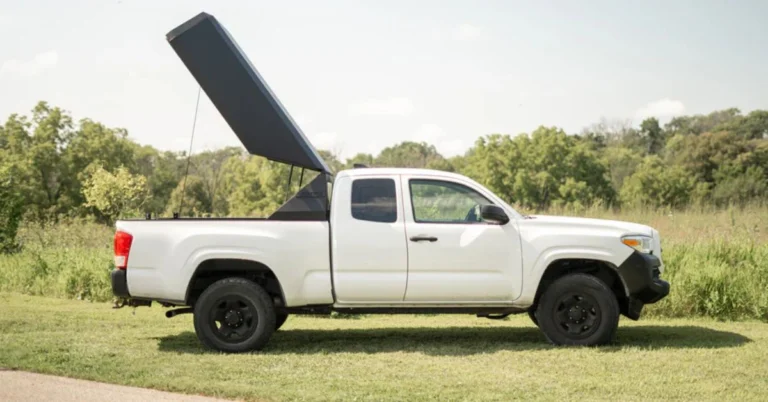
Truck owners use their vehicles for far more than basic transportation. Whether it’s daily commuting, work responsibilities, weekend travel, camping trips, or hauling equipment, modern trucks are expected to handle a wide range of tasks while keeping cargo secure and protected in changing weather conditions.
One of the most popular upgrades many truck owners choose is adding a bed cap or truck topper. Bed caps provide additional storage protection, improve cargo organization, and help make trucks more versatile for both work and recreational use. However, with so many options available today, choosing the right setup can feel overwhelming for first-time buyers.
Truck owners now have access to both hard and soft top designs with different materials, mounting systems, storage capabilities, and weather protection features. The right setup often depends on how the truck is used daily and what type of convenience the driver values most.
Many drivers are now choosing flexible and lightweight options such as a truck bed cap because they provide weather protection and cargo coverage while still allowing easier removal and versatility compared to traditional hard-shell designs.
Understanding the differences between truck top styles and knowing which features matter most helps drivers choose setups that improve long-term convenience, functionality, and everyday truck usability.
What To Consider Before Choosing a Truck Bed Cap
Before purchasing a truck bed cap, drivers should first think about how they use their truck most often. Some owners primarily use their trucks for work and equipment storage, while others focus more on travel, camping, outdoor recreation, or daily commuting.
Storage needs are one of the biggest factors to consider. Drivers carrying tools, luggage, outdoor gear, or expensive equipment often prioritize weather protection and cargo security when selecting a bed cap.
Climate also plays a major role in choosing the right setup. Drivers living in areas with heavy rain, snow, or extreme heat may need stronger weather sealing and more durable materials to protect cargo year-round.
Ease of installation is another important consideration. Some truck owners prefer permanent hard-shell designs, while others want removable options that allow quick access to open-bed hauling when needed.
Weight can also affect truck performance and convenience. Heavier hard tops may provide additional durability but can make removal difficult without extra assistance. Lightweight soft tops often offer greater flexibility for drivers who regularly switch between covered and open-bed use.
Truck compatibility matters as well. Bed caps are designed specifically for certain truck makes and models, so proper fitment is extremely important for maintaining weather sealing and secure mounting.
Many owners also consider appearance and style. A properly fitted bed cap can improve the overall look of the truck while creating a cleaner and more finished appearance.
Ventilation and accessibility are additional factors some drivers overlook initially. Easy-to-open windows, removable side panels, and flexible access points can make loading and unloading cargo much more convenient during everyday use.
Drivers who choose bed caps based on both practicality and long-term usability usually end up far more satisfied with their purchase over time.
Hard Top vs Soft Top
One of the biggest decisions truck owners face is choosing between hard top and soft top bed cap designs. Both options offer unique advantages depending on how the truck is used.
Hard tops are often preferred by drivers looking for maximum security and a more permanent setup. They generally provide stronger impact resistance and may offer locking storage systems that improve cargo security for work equipment or valuable tools.
However, hard tops are also heavier, more expensive, and typically harder to remove once installed. Drivers who frequently switch between cargo hauling and covered storage may find hard-shell systems less convenient for flexible everyday use.
Soft top systems have become increasingly popular because they offer a lighter and more versatile alternative. A Tacoma soft top setup, for example, allows drivers to protect cargo while still maintaining easier access and quicker removal when larger hauling jobs arise.
Soft tops also tend to be easier to install and store when not in use. Many designs can fold down or be removed without requiring special tools or extra lifting equipment.
Another major advantage of soft tops is flexibility during outdoor activities and travel. Campers, overlanders, and outdoor enthusiasts often prefer soft tops because they provide weather protection while remaining adaptable for changing cargo needs.
Noise and ride quality may also differ slightly between setups. Some hard tops provide quieter highway driving, while soft tops may create slightly more wind noise depending on material design and installation quality.
Cost is another important consideration. Soft tops are often more affordable while still offering strong weather protection and practical storage improvements for most everyday truck owners.
Ultimately, the best choice depends on balancing security, flexibility, budget, appearance, and how often the truck bed configuration needs to change.
The Features That Actually Matter for Daily Truck Use
While appearance matters to many truck owners, practical daily-use features usually make the biggest difference long term. Drivers who focus on usability often get far more value from their truck bed setup over time.
Weather resistance is one of the most important features. Strong seals, durable materials, and reliable attachment systems help keep cargo protected from rain, dust, snow, and road debris during daily driving.
Ease of access also matters heavily. Drivers frequently loading tools, groceries, sports gear, or camping equipment benefit from systems that allow fast and convenient bed access without complicated removal procedures.
Durability is another major factor. Quality materials help bed caps withstand sun exposure, changing temperatures, and long-term wear without fading, cracking, or leaking prematurely.
Visibility should also be considered. Some bed cap designs improve rear visibility more effectively than others, helping maintain safer driving conditions during daily use.
Flexibility is increasingly important for modern truck owners. Many drivers want setups that can adapt quickly between work, recreation, hauling, and travel without limiting truck functionality.
Lightweight designs often improve convenience significantly. Easier removal and storage make flexible truck use much more practical for everyday drivers who regularly switch bed configurations.
Drivers also appreciate systems that maintain clean truck bed organization while helping reduce clutter and improve cargo protection during travel.
How the Right Bed Cap Improves Storage, Protection, and Convenience
The right truck bed cap can dramatically improve how useful a truck feels during everyday driving and long-distance travel. Covered storage provides better protection for cargo while helping drivers organize equipment more efficiently.
Weather protection remains one of the biggest advantages. Rain, UV exposure, dirt, and snow can quickly damage tools, luggage, camping equipment, and work supplies if cargo remains exposed in the open bed.
Modern Softopper truck tops help drivers create more versatile storage space while still maintaining the flexibility many truck owners prefer over permanent hard-shell setups.
Bed caps also improve convenience during road trips and outdoor activities. Covered truck beds allow drivers to transport larger amounts of gear securely without relying entirely on interior cabin storage.
Another overlooked advantage is improved peace of mind. Drivers often feel more comfortable leaving equipment or personal items in the truck bed when cargo remains covered and protected from visibility.
Some truck owners also notice slight improvements in aerodynamics compared to completely open truck beds, although functionality and protection remain the primary reasons most people invest in bed caps.
Organization becomes easier as well. Covered beds allow drivers to keep work equipment, emergency gear, and outdoor supplies cleaner and better organized during everyday driving conditions.
For many truck owners, a bed cap simply makes the truck more practical overall. The added storage flexibility helps trucks handle a wider variety of tasks without sacrificing daily usability.
Conclusion
Choosing the right truck bed cap depends heavily on how the truck is used and which features matter most for everyday driving, work responsibilities, and outdoor activities.
Hard tops and soft tops both offer unique advantages, but many drivers now prefer flexible solutions that balance weather protection, storage convenience, and easy removal when needed.
Features such as durability, accessibility, weather resistance, and lightweight design often make the biggest long-term difference in daily truck use.
Drivers who choose the right setup for their lifestyle often improve storage organization, cargo protection, and overall truck versatility while making their vehicle far more useful for both work and recreation.
