


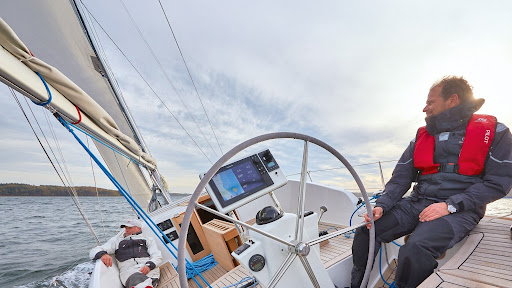
Boating technology has changed dramatically over the years. Dedicated chartplotters were once considered one of the most important navigation tools for boat owners, especially for longer trips or unfamiliar waters. Today, smartphones, tablets, and marine navigation apps have introduced new ways to navigate that are more portable and often more affordable.
Because of these changes, many boaters ask do you need a chartplotter for boating? The answer depends on where you boat, how often you are on the water, and what type of navigation support you need.
What a chartplotter actually does
A chartplotter combines GPS positioning with digital nautical charts. Instead of simply showing coordinates, it displays your exact position directly on a marine map.
Most chartplotters can help boaters:
- Track their current location
- Create routes and waypoints
- View water depth and navigation markers
- Identify hazards and channels
- Monitor travel speed and direction
For years, chartplotters were the standard solution because they provided a dedicated system built specifically for marine use.
Situations where a chartplotter can be valuable
Not every boating trip involves the same level of navigation complexity.
A chartplotter can be especially useful for:
- Offshore boating
- Long-distance travel
- Unfamiliar waterways
- Coastal navigation with changing conditions
- Areas with reefs, channels, or shallow water
In these situations, having a large dedicated display and detailed charts can improve awareness and reduce navigation mistakes.
Boaters who spend many hours on the water often appreciate having a permanent navigation setup mounted at the helm.
Situations where you may not need one
Many recreational boaters use their boats in relatively simple environments.
You may not necessarily need a chartplotter if you:
- Boat on familiar lakes or rivers
- Take short day trips
- Stay close to shore
- Use the same waterways regularly
- Already use modern navigation apps
Mobile technology has changed what is possible on the water. Smartphones and tablets now have GPS capability and can run marine navigation software that includes charts, weather information, and route planning tools.
For many casual boaters, these tools provide enough information for everyday use.
Navigation apps are changing boating
Modern marine navigation apps now combine multiple features into one platform.
Common features include:
- GPS positioning
- Marine charts
- Weather forecasts
- Tide information
- Route planning
- Hazard awareness
Instead of carrying separate devices, boaters can access all of this information from a phone or tablet.
Many users also appreciate the convenience of planning trips at home and continuing navigation from the same device once on the water.
Dedicated hardware still has advantages
Although navigation apps are powerful, dedicated chartplotters still offer benefits.
Some advantages include:
- Larger screens for easier viewing
- Waterproof designs built for marine environments
- Better visibility in direct sunlight
- Continuous power from the boat
- Integration with radar and sonar systems
These features become more important for serious boaters or those who spend long hours offshore.
A phone battery running low during a trip creates a very different situation than a permanently powered chartplotter.
Many boaters use both
Instead of choosing one option over another, many boaters combine navigation tools.
A common setup may include:
- A chartplotter mounted at the helm
- A mobile navigation app as a backup
- Additional GPS or sonar equipment
This creates redundancy, which is valuable in boating because electronics can fail.
Having multiple sources of navigation information helps improve safety and confidence.
Navigation is ultimately about awareness
Whether you use a chartplotter, a mobile app, or both, the most important goal is maintaining awareness of your surroundings.
Good navigation involves understanding:
- Water depth
- Hazards
- Weather conditions
- Tides and currents
- Safe routes
Technology helps provide this information, but preparation and good decision-making still matter.
Final thoughts
There is no universal answer for every boater. Some people benefit greatly from a dedicated chartplotter, while others can navigate comfortably using modern mobile tools.
The right choice often depends on how and where you boat.
Bottom line
You do not always need a chartplotter for boating, but you do need reliable navigation information.
For casual trips in familiar waters, a navigation app may be enough. For offshore travel or more demanding environments, a chartplotter can add another level of visibility and reliability.
The best setup is the one that helps you navigate safely and gives you confidence every time you head out on the water.
