


Introduction
The expectations of modern residents have evolved significantly over the past decade. Today, people seek much more than a place to sleep and store their belongings. Residential communities are increasingly expected to support healthier lifestyles, provide convenience, and create environments that contribute positively to overall well-being. Among the many amenities that have gained importance, fitness facilities have become one of the most valued features in residential properties. As individuals become more health-conscious and prioritize wellness in their daily routines, having access to quality exercise spaces within a residential community has transformed from a luxury into a highly desirable necessity.
A well-designed apartment fitness center serves as a cornerstone of modern living by offering residents convenient access to exercise equipment, workout spaces, and opportunities to maintain an active lifestyle without leaving their residential complex. The integration of fitness amenities into residential communities reflects a broader societal shift toward wellness, efficiency, and balanced living. Whether residents are busy professionals, students, families, or retirees, the availability of fitness facilities contributes significantly to their quality of life.
This article explores the growing importance of residential fitness amenities, their impact on health and wellness, design considerations, technological advancements, and the value they add to both residents and property owners.
The Growing Demand for Wellness-Oriented Living Spaces
In recent years, health and wellness have become central priorities for people across all age groups. Increased awareness of the benefits of regular exercise, combined with busy schedules and limited free time, has encouraged residents to seek living environments that support their wellness goals. As a result, residential communities that incorporate fitness amenities are experiencing greater appeal among prospective tenants and homeowners.
The convenience of having exercise facilities within walking distance of one’s residence eliminates many common barriers to maintaining a consistent fitness routine. Long commutes to commercial gyms, membership costs, and scheduling challenges often discourage people from exercising regularly. By providing easy access to workout spaces, residential communities help residents integrate physical activity seamlessly into their daily lives.
Furthermore, wellness-oriented amenities contribute to a sense of community. Shared fitness spaces create opportunities for residents to interact, participate in group activities, and develop social connections. These interactions foster a stronger sense of belonging and improve overall resident satisfaction.
Convenience as a Key Lifestyle Benefit
Convenience remains one of the most significant advantages of having fitness facilities within a residential community. Modern lifestyles are often characterized by demanding work schedules, family responsibilities, and numerous personal commitments. Finding time to travel to an external gym can be difficult, particularly for individuals with packed schedules.
An on-site fitness facility allows residents to exercise before work, during lunch breaks, or in the evening without the added burden of commuting. This accessibility encourages consistency, which is one of the most important factors in achieving long-term fitness goals. Even a short workout becomes more feasible when the facility is only a few steps away.
The convenience factor also contributes to greater motivation. Residents are more likely to engage in regular exercise when barriers such as transportation, weather conditions, and additional expenses are removed. This ease of access supports healthier habits and promotes a more active lifestyle across the entire residential community.
Supporting Physical Health and Wellness
Regular exercise is essential for maintaining physical health, reducing the risk of chronic diseases, and improving overall quality of life. Residential fitness amenities provide residents with the tools and environment needed to stay active and prioritize their health.
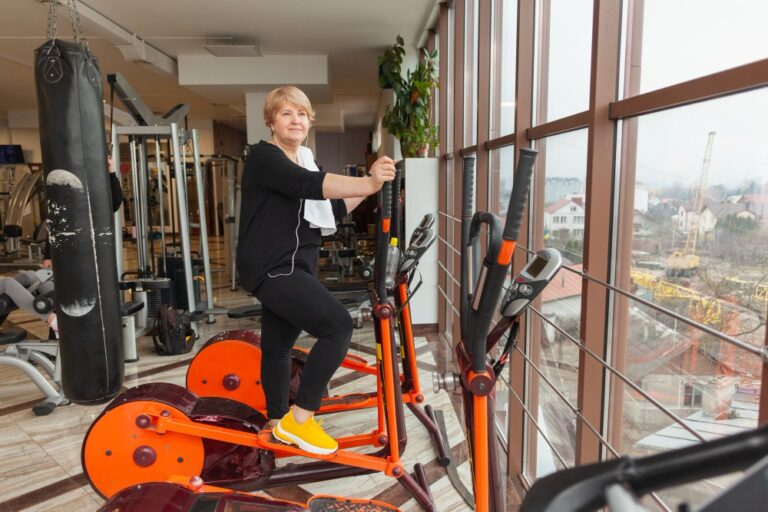
Cardiovascular equipment such as treadmills, stationary bicycles, and elliptical machines supports heart health and endurance training. Strength-training equipment helps residents build muscle, improve bone density, and enhance functional fitness. Dedicated stretching and mobility areas contribute to injury prevention and flexibility improvement.
Access to a well-equipped apartment fitness center can significantly increase the likelihood that residents will maintain a consistent exercise routine. Studies have repeatedly shown that convenience and accessibility play crucial roles in exercise adherence. When fitness opportunities are integrated into everyday living environments, individuals are more likely to engage in physical activity regularly.
Beyond disease prevention, regular exercise contributes to higher energy levels, improved sleep quality, enhanced mobility, and better overall physical functioning. These benefits collectively improve residents’ daily experiences and long-term health outcomes.
The Positive Impact on Mental Well-Being
Physical fitness and mental health are closely interconnected. Exercise has been proven to reduce stress, alleviate symptoms of anxiety and depression, and improve overall mood. Residential fitness facilities provide residents with a readily accessible outlet for stress management and emotional well-being.
Modern life often presents numerous pressures related to work, finances, relationships, and personal responsibilities. Engaging in regular physical activity helps individuals manage these challenges more effectively by promoting the release of endorphins and reducing stress hormones.
Fitness spaces also offer residents a dedicated environment for self-care and personal development. Whether someone prefers high-intensity workouts, strength training, or mindful stretching exercises, having access to wellness-focused amenities supports mental resilience and emotional balance.
The psychological benefits extend beyond individual well-being. Residents who maintain healthier lifestyles often experience greater confidence, improved productivity, and stronger social engagement. These positive outcomes contribute to a more vibrant and supportive residential community.
Modern Design Principles for Residential Fitness Facilities
The design of residential fitness spaces has evolved considerably over time. Contemporary facilities emphasize functionality, comfort, aesthetics, and versatility. Property developers increasingly recognize that attractive fitness environments enhance resident satisfaction and encourage regular use.Successful fitness facility design begins with thoughtful space planning. Equipment should be arranged to maximize accessibility while ensuring safe movement throughout the area. Adequate spacing between machines creates a more comfortable and user-friendly environment.
Natural lighting plays a critical role in creating an inviting atmosphere. Large windows and open layouts contribute to a brighter, more energizing workout experience. Proper ventilation and climate control systems ensure comfort during exercise, while quality flooring materials support safety and durability.
Modern fitness facilities often incorporate dedicated zones for different types of activities. Separate areas for cardiovascular training, strength exercises, functional fitness, and stretching allow residents to pursue a variety of workout routines within a single space.
Technology and Innovation in Fitness Amenities
Technological advancements have transformed the fitness industry and significantly influenced residential fitness facilities. Today’s residents increasingly expect modern equipment and digital features that enhance their workout experiences.
Smart exercise machines equipped with touchscreens, performance tracking capabilities, and interactive training programs provide users with personalized fitness experiences. Many systems integrate with mobile applications, allowing residents to monitor progress, set goals, and access workout recommendations.
Virtual fitness classes have also become increasingly popular. Residents can participate in guided workouts, yoga sessions, cycling classes, and strength-training programs through digital platforms. This flexibility enables individuals to access professional instruction without leaving their residential community.
Technology also supports facility management through digital access systems, occupancy monitoring, and maintenance tracking. These innovations help ensure that fitness spaces remain secure, functional, and efficiently operated.As technology continues to evolve, residential fitness amenities will likely become even more personalized, interactive, and data-driven, providing residents with increasingly sophisticated wellness experiences.
Building Stronger Community Connections
Fitness facilities serve purposes beyond physical exercise. They also function as social spaces that encourage interaction among residents. Community engagement contributes significantly to resident satisfaction and retention, making social connectivity an important aspect of modern residential living.
Group fitness classes, wellness workshops, and community fitness challenges create opportunities for residents to meet others who share similar interests. These activities help foster friendships and strengthen the overall sense of community within a residential property.A welcoming apartment fitness center often becomes a gathering place where residents exchange encouragement, share fitness goals, and support one another’s wellness journeys. Such interactions contribute to a positive living environment and enhance the overall residential experience.
Strong community relationships can also improve safety, communication, and cooperation among residents. When people feel connected to their neighbors, they are more likely to engage positively with their community and contribute to its success.
The Value of Fitness Amenities for Property Owners
From a property management perspective, fitness facilities represent a valuable investment that can generate substantial returns. Modern renters and buyers increasingly prioritize wellness amenities when evaluating residential options, making fitness facilities a powerful competitive advantage.
Properties with high-quality fitness amenities often attract greater interest from prospective residents. These amenities can help differentiate a property in competitive housing markets and support higher occupancy rates. Additionally, residents who actively use community amenities may be more likely to renew leases and remain within the community for extended periods.
Fitness amenities also contribute to a property’s overall brand image. Communities that emphasize wellness, convenience, and quality of life often develop stronger reputations and greater market appeal.Investing in fitness facilities demonstrates a commitment to resident well-being, which can enhance satisfaction and foster long-term loyalty. As wellness continues to influence housing decisions, fitness amenities will likely remain a critical component of successful residential developments.
Future Trends in Residential Wellness Spaces
The future of residential fitness amenities is expected to be shaped by evolving consumer preferences, technological innovations, and a growing emphasis on holistic wellness. Fitness facilities are increasingly becoming part of broader wellness ecosystems that support physical, mental, and social health.
Future developments may include expanded functional training areas, outdoor exercise spaces, recovery zones, meditation rooms, and wellness lounges. Integrating multiple aspects of health into a cohesive environment allows residents to pursue comprehensive well-being rather than focusing solely on physical exercise.
Sustainability will also play an increasingly important role in facility design. Energy-efficient equipment, environmentally responsible materials, and sustainable construction practices are becoming more common within residential developments.As health-conscious lifestyles continue to gain momentum, developers and property managers will likely invest further in innovative wellness amenities that meet the changing needs of modern residents.
Conclusion
The importance of fitness amenities within residential communities continues to grow as wellness becomes a central priority in modern life. Convenient access to exercise facilities supports healthier lifestyles, improves mental well-being, encourages social interaction, and enhances overall resident satisfaction. For property owners and developers, these amenities provide a valuable opportunity to attract and retain residents while strengthening the market appeal of their communities.
A thoughtfully designed apartment fitness center represents far more than a collection of exercise equipment. It serves as a vital resource that empowers residents to prioritize their health, achieve their fitness goals, and enjoy a higher quality of life. As residential living continues to evolve, fitness-focused amenities will remain a defining feature of successful and desirable communities, helping shape a future where wellness is seamlessly integrated into everyday living.
