


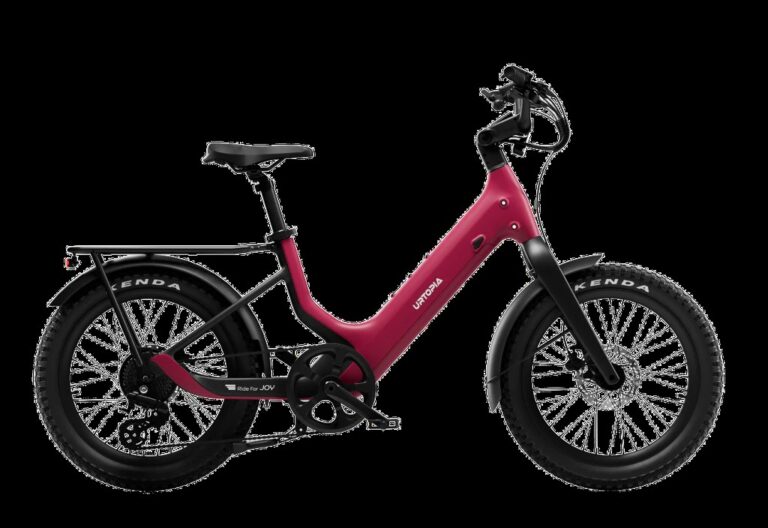
A reliable e-bike should make daily life easier, not add more stress to your routine. If you are comparing models during an e bike sale, the lowest price should not be the only thing you look at. For everyday use, reliability comes from the battery, motor, brakes, tires, comfort, service support, and how well the bike fits your real riding habits.
Many shoppers look at eletric bikes because they want a practical way to commute, run errands, or replace short car trips. That only works if the bike starts when you need it, handles local roads well, charges easily, and does not create constant maintenance problems.
Why Reliability Matters for Daily E-Bike Riders
Daily riding is different from occasional weekend use. A bike that feels fine on a short test ride may not hold up well to commuting, bad weather, rough pavement, hills, and frequent stops.
A reliable e-bike should feel predictable. It should help you get to work, the grocery store, school, or home without worrying about battery failure, weak brakes, flat tires, or poor support when something breaks.
Daily Commuting Requires More Than Good Range
Range matters, but it is not the only factor. A daily commuter also needs stable power, safe stopping, comfortable geometry, and parts that can handle regular use.
A long-range bike with weak brakes or poor tires is not truly reliable.
Small Problems Can Disrupt Your Routine
Loose wiring, poor battery performance, weak lights, or frequent flats can quickly turn a convenient ride into a headache.
For daily riders, small issues matter because they can make you late or force you back into driving.
Start With a Safe and Durable Battery
The battery is one of the most important parts of any e-bike. It affects range, charging time, long-term cost, and overall safety.
A reliable battery should provide consistent power, charge safely, and come from a brand that offers clear replacement options.
Why Battery Quality Matters Most
A good battery holds charge well and performs consistently across different riding conditions. Cheap or poorly supported batteries may lose capacity faster or create safety concerns.
For daily use, the battery should feel dependable, not unpredictable.
What Real-World Range Means
Advertised range is often based on ideal conditions. In real life, hills, rider weight, cargo, wind, cold weather, and higher assist levels can reduce range.
A reliable e-bike should offer enough range for your normal route with extra margin left over.
Why Charging Should Fit Your Routine
Charging time matters more than many buyers expect. If you ride every day, the battery should fit your schedule.
Removable batteries are useful for apartments, offices, and garages where outlet access may be limited.
Choose a Motor That Feels Smooth and Consistent
A reliable motor is not just powerful. It should deliver assistance smoothly and predictably.
For daily use, control matters more than aggressive acceleration.
Hub Motors for Simple Everyday Riding
Hub motors are common on commuter and city e-bikes. They are often simple, affordable, and effective for flat or moderately hilly routes.
For many riders, a good hub motor is enough for daily errands and commuting.
Mid-Drive Motors for Hills and Heavier Loads
Mid-drive motors are often better for hills, cargo, and longer routes because they work with the bike’s gears.
They usually cost more, but they can feel more natural and efficient in demanding conditions.
Smooth Power Delivery Matters in Traffic
Stop-and-go riding requires a motor that responds smoothly. Jerky acceleration can feel unsafe near cars, pedestrians, or other cyclists.
A reliable motor should help you feel in control.
Look for Brakes Built for Daily Stops
E-bikes are heavier than regular bikes and often move faster. That means braking performance is critical.
Strong brakes make daily riding safer, especially in traffic, downhill sections, and wet conditions.
Why E-Bikes Need Strong Braking Power
A heavier bike takes more effort to stop. If the brakes feel weak, noisy, or inconsistent, the bike may not be suitable for daily use.
Good brakes protect both the rider and everyone nearby.
Hydraulic Disc Brakes for City Riding
Hydraulic disc brakes usually offer strong, smooth stopping power. They are a good choice for commuters who ride often or carry extra weight.
They may require professional service, but the performance is worth it for many daily riders.
Mechanical Disc Brakes for Easier Maintenance
Mechanical disc brakes can be easier and cheaper to adjust. They may be a practical option for riders who prefer simpler maintenance.
The key is choosing brakes that match your route and riding style.
Pick Tires That Match Your Roads
Tires affect comfort, safety, and reliability more than many buyers realize. A good motor cannot make up for tires that flat too easily or feel unstable.
For daily use, tires should match your local roads.
Puncture-Resistant Tires for Commuting
Glass, nails, rough pavement, and debris are common in many U.S. cities. Puncture-resistant tires can help reduce flats and keep your routine on track.
For commuters, fewer flats often means fewer missed appointments.
Wider Tires for Comfort and Stability
Wider tires can make the ride feel more stable and comfortable, especially on cracked streets or mixed surfaces.
They also help absorb small bumps without relying only on suspension.
Tire Pressure Affects Ride Quality
Even good tires need proper pressure. Low pressure can reduce range and increase flat risk, while too much pressure can make the ride feel harsh.
Daily riders should check tire pressure regularly.
Check the Frame and Build Quality
A reliable e-bike should feel stable, balanced, and well assembled. The frame needs to support the rider, cargo, battery, and motor without feeling loose or awkward.
Build quality becomes more important the more often you ride.
A Stable Frame for Everyday Use
A stable frame helps the bike feel safe at speed and during turns. It also matters when carrying groceries, work bags, or child seats.
The bike should feel planted, not shaky.
Weight Capacity and Cargo Needs
Daily riders should check the total weight capacity, especially if they carry cargo. A bike that is overloaded may wear out faster and handle poorly.
The right frame should match both the rider and daily load.
Weather Resistance for Year-Round Riding
Many riders use e-bikes in light rain, wet streets, or changing weather. Good wiring protection and durable components can help the bike last longer.
Weather resistance does not mean careless storage, but it does support everyday dependability.
Make Maintenance Easy
A reliable e-bike is not maintenance-free. It still needs care, service, and replacement parts.
The easier it is to maintain, the better it will work for daily life.
Local Bike Shop Support
Before buying, check whether local shops can service the bike. Some shops may not work on certain brands or electrical systems.
Service access can make a big difference when something goes wrong.
Easy-to-Find Replacement Parts
Tires, brake pads, chains, batteries, chargers, and displays may need replacement over time.
A reliable brand should make parts available and easy to identify.
Simple Setups Can Be More Reliable
Complicated features are not always better. For daily riders, simple controls, clear displays, and proven components often create a better ownership experience.
The best bike is one you can keep running.
Think About Comfort for Everyday Riding
Reliability is not only mechanical. A bike also needs to feel comfortable enough to use often.
If the ride position hurts your back, wrists, or knees, you may stop using it.
Upright Riding Position for Commuting
An upright position helps many riders feel more comfortable and aware of traffic.
This is especially useful for city commuting and neighborhood riding.
Seat Comfort for Longer Trips
A comfortable saddle matters if you ride several times a week. The seat should support your normal ride length without causing pain.
Sometimes a simple saddle upgrade can make the bike much easier to use daily.
Handlebar Fit and Control
Handlebar height and width affect comfort and steering. A good fit helps riders stay relaxed and in control.
Daily reliability starts with a bike that feels natural to ride.
Check Warranty and Brand Support
A strong warranty can show that a brand stands behind its product. It also gives buyers more confidence before spending money.
Support matters most when the bike becomes part of your routine.
Battery and Motor Coverage
Battery and motor coverage are especially important because these parts are expensive to replace.
Read the warranty carefully before buying.
Customer Service and Repair Help
Good customer service can save time when you need troubleshooting, replacement parts, or repair guidance.
A low-cost bike with poor support may become frustrating quickly.
Conclusion
A reliable e-bike for daily use is not defined by one feature. Range matters, but so do battery quality, motor smoothness, braking power, tire durability, comfort, maintenance access, and brand support.
For everyday riders, the best choice is practical, safe, and easy to live with. It should fit your commute, local roads, storage space, and service options.
A dependable e-bike does not have to be the most expensive model. It simply needs to work well day after day, with the right balance of safety, comfort, durability, and support.
